
Let me tell you something about the way Gen Z eats. It’s not just about avocado toast and oat milk lattes anymore. We’ve got a whole new set of rules, a digital-age food bible that gets passed around on TikTok, whispered about in group chats, and silently judged over every grocery haul. I’ve spent the last few months diving deep into this phenomenon, and honestly? It’s both brilliant and completely unhinged. But before you roll your eyes, hear me out. This generation isn’t just eating for fuel — they’re eating for content, for ethics, for aesthetics, and for a dopamine hit that lasts longer than your morning coffee.
Here’s what most people miss: Gen Z’s relationship with food is a direct rebellion against the sterile, diet-culture-obsessed world their parents inherited. We grew up watching The Biggest Loser and seeing our moms cycle through cabbage soup diets. So what did we do? We flipped the script entirely. We made food a personality trait, and honestly, I’m here for it. But there’s a catch — this new “bible” comes with its own set of commandments, and if you’re not paying attention, you’ll get left behind in the viral recipe dust.
The First Commandment: Nothing is Just Food Anymore
Let’s be honest. When was the last time you just ate something without wondering if it’d look good on a flat lay? Or without checking the ingredient list for palm oil? Or without asking yourself if this meal is “nourishing” enough to post on your Close Friends story? Gen Z has turned eating into a full-blown identity project.
I’ve found that the first rule in this new bible is that food must serve at least three purposes. It must taste good (obviously), it must be visually arresting (hello, #FoodTok), and it must tell a story about who you are. Are you the girl who makes her own sourdough starter? You’re grounded, patient, anti-capitalist. Are you the guy who eats raw beef liver for breakfast? You’re biohacking, primal, unbothered by the haters. Are you the person who exclusively eats beige foods? You’re struggling, but at least you’re honest about it.
The wildest part? This isn’t shallow — it’s survival. In a world where we can’t afford houses, have no job security, and watch the planet literally burn, controlling what goes into our mouths is one of the few things we can actually influence. So yes, that $9 loaf of artisanal bread isn’t just bread. It’s a statement. It’s a middle finger to Wonder Bread and everything it represents.

The Hidden Rules of the “Clean Girl” Pantry
Now, let’s talk about the pantry. If you’ve ever scrolled through a “What I Eat in a Day” video from a 22-year-old wellness influencer, you’ve seen the sacred items. There’s a specific set of ingredients that have been canonized. I’m talking about nutritional yeast, coconut aminos, chia seeds, and that one brand of oat milk that costs $7.49 and only lasts three days in the fridge.
Here’s the thing — I’ve tried to build this pantry myself. And let me tell you, it’s expensive. But there’s a method to the madness. These ingredients are chosen for their multifunctional properties. Nutritional yeast? It’s a cheese substitute, a B12 supplement, and a sprinkle of “I care about my gut health” all in one. Chia seeds? They’re a pudding base, an egg replacement, and a way to prove you’re hydrated enough to have glowing skin.
But here’s the secret most people miss: This pantry is a performance. It’s not really about the ingredients. It’s about signaling that you’re part of the tribe. You understand the code. You know that “clean eating” doesn’t mean wash your produce — it means eating things that haven’t been touched by a corporation with a shady supply chain.
I’ve found that the real Gen Z food bible isn’t about restriction. It’s about curation. You’re not saying “no” to processed food — you’re saying “yes” to a very specific, very expensive selection of processed foods that have been blessed by the algorithm. It’s a paradox, but it works.
The Great Protein Obsession
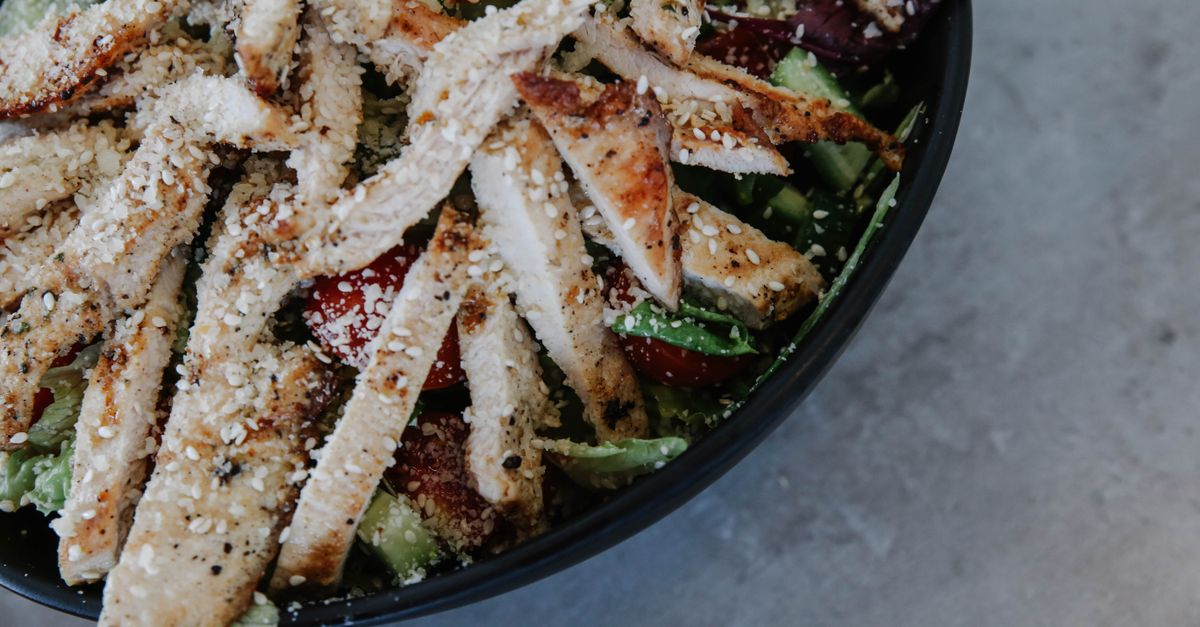
Can we talk about the elephant in the kitchen? Gen Z is absolutely obsessed with protein. And I mean obsessed. We’ve moved past the low-fat, high-carb era of our parents and landed squarely in the “everything must have 30 grams of protein” era.
I scroll through TikTok and see girls my age drinking protein shakes that look like milkshakes, eating cottage cheese mixed into everything (seriously, everything), and buying collagen peptides like they’re going out of style. Protein has become the new moral currency. If a meal is high in protein, it’s “good.” If it’s not, it’s basically just empty calories.
Here’s what’s interesting: this obsession is actually pretty smart. Protein keeps you full, builds muscle, and stabilizes your blood sugar. But the way Gen Z talks about it? That’s where it gets weird. We’ve turned protein into a competitive sport. “I got 120 grams today!” “Only 120? I’m at 150 and I still have dinner.” It’s the new calorie counting, but with a glow-up.
What most people miss is that this protein obsession is a response to the chaos of modern life. We’re stressed, we’re anxious, and we’re looking for something — anything — that makes us feel in control. Hitting your protein goal? That’s a win you can measure. It’s tangible. In a world that feels increasingly out of control, tracking your macros gives you a sense of agency.
The Snackification of Everything
Let’s get real about something else: Gen Z doesn’t eat meals. We eat snacks. And I mean this literally. The traditional three-square-meals structure is dead. We’re living in the era of the “snack plate,” the “girl dinner,” and the “deconstructed bowl.”
I’ve found that this shift isn’t just about laziness — though let’s be honest, who has the energy to cook a full dinner after work? It’s about flexibility. We want to eat what we want, when we want, and we don’t want to be tied down to a schedule. A snack plate with cheese, crackers, fruit, and a handful of almonds? That’s dinner. A yogurt bowl with granola, berries, and a drizzle of honey? That’s breakfast. Leftover pizza at 11 AM? That’s brunch.
The Gen Z food bible says: Forget the rules. Eat the snack.
But here’s the twist — even our snacks have to be intentional. You can’t just grab a bag of Doritos and call it a day (unless you’re having a “sad girl dinner,” which is also a thing). No, your snacks need to have a theme. They need to be “balanced.” They need to include a vegetable, a protein, and a little treat. It’s snack-plate architecture, and yes, it’s a whole thing.
I’ve noticed that this snackification trend is actually brilliant for intuitive eating. When you allow yourself to eat small, frequent meals, you’re more in tune with your hunger cues. You’re not starving yourself until dinner and then binge-eating everything in sight. But let’s not pretend it’s all health-conscious. Sometimes a snack plate is just three types of cheese and a handful of pickles because that’s what you had in the fridge.
The TikTok Effect: Recipe as Performance Art
You can’t talk about the Gen Z food bible without acknowledging the elephant in the room: TikTok has fundamentally changed how we cook. We don’t learn recipes from cookbooks anymore. We learn them from 60-second videos set to trending audio, where the creator whisper-talks while slicing a cucumber with surgical precision.
I’ve fallen victim to this countless times. I see a video for “4-ingredient pasta that will change your life,” and suddenly I’m at the grocery store at 9 PM buying feta cheese and cherry tomatoes. The recipe isn’t just instructions — it’s a performance. The sizzle of the pan, the satisfying crunch of the first bite, the way the cheese pulls apart in slow motion. We’re not just cooking dinner; we’re creating content for our own consumption.
What most people miss is that TikTok recipes are designed for virality, not necessarily for daily life. They’re optimized for visual appeal, not for leftovers or practicality. That “cloud bread” trend? Beautiful. Tasteless. That “pesto egg” trend? Genius, but messy. The Gen Z food bible tells you to follow the trends, but the secret is knowing which ones to keep and which ones to let fade into the algorithm graveyard.
I’ve found that the best TikTok recipes are the ones that save time or money, not the ones that look like art installations. The “3-ingredient cookie dough” that actually tastes good? That’s a keeper. The “rainbow grilled cheese” that uses purple cabbage? Skip it.

The Sustainability Paradox
Here’s where things get complicated. Gen Z cares deeply about the planet. We know that factory farming is destroying the environment, that food waste is a crisis, and that our avocado addiction is literally draining California of water. So what do we do? We buy the $12 regenerative-farming-friendly butter and then order fast food three times a week because we’re exhausted.
The Gen Z food bible preaches sustainability, but it’s full of contradictions. We want to eat local, but we also want mangoes in December. We want to reduce food waste, but we also want to try the new viral recipe that calls for a specific herb we’ll never use again. We’re trying, but we’re also humans living under late-stage capitalism.
I’ve found that the most sustainable approach isn’t perfection — it’s progress. Maybe you can’t buy everything organic, but you can commit to using up your leftovers. Maybe you can’t go fully plant-based, but you can do Meatless Mondays. The bible isn’t about being a saint; it’s about being conscious.
Here’s the real truth: Gen Z is the first generation to have sustainability as a default value. We don’t need to be convinced that climate change is real — we grew up with it. But we’re also the generation that can’t afford to shop at Whole Foods every week. So we do what we can, when we can, and we try not to beat ourselves up about the rest.
Your Personal Copy of the Bible
So, what’s the takeaway here? The Gen Z food bible isn’t a physical book you can buy on Amazon (though I’m sure someone will make one). It’s a living, breathing, constantly-updating set of values that changes with every viral trend, every new study, and every trip to Trader Joe’s.
I’ve found that the real secret to navigating this new food landscape is intention over perfection. You don’t have to follow every rule. You don’t have to eat like a wellness influencer. You don’t have to make your own oat milk from scratch (please don’t, it’s never worth it). But you should know why you’re eating what you’re eating.
Are you eating for fuel? For comfort? For content? For community? All of the above? The answer changes by the day, and that’s okay.
The Gen Z food bible is messy, contradictory, and occasionally ridiculous. But it’s also the most honest, flexible, and joyful approach to food I’ve ever seen. We’re not dieting — we’re vibing. We’re not restricting — we’re curating. And honestly? I think that’s a beautiful thing.
So go ahead. Make that viral feta pasta. Eat your snack plate for dinner. Put protein powder in your coffee if that’s what your soul needs. Just don’t forget to actually enjoy it. That’s the only commandment that really matters.
Now, if you’ll excuse me, I have a date with a block of feta cheese and a TikTok recipe I’m about to test for the third time this week. Some habits are just worth keeping.