
I was 16, sitting cross-legged on my bedroom floor, earbuds in, scrolling through a Spotify playlist called “sad girl hours.” The song was Heather by Conan Gray. I didn’t know why it made me tear up — I wasn’t even in love. But that’s the thing. The Gen-Z Bible isn’t leather-bound with gold leaf. It’s a playlist. It’s a shared emotional language that you learn by osmosis, not by reading.
Let’s be honest: Gen-Z music isn’t just background noise. It’s our therapy, our social commentary, and our late-night confessional. If you don’t speak the language, you’re missing the entire point of how a generation processes the world. And I’m not talking about “vibes” — I’m talking about a deep, almost spiritual connection to sound that rewires how we think.
Here’s what most people miss: *this generation doesn’t listen to music — they feel it. And that feeling has rules.
The 3-Second Rule: Why Your Attention Span Is Actually a Superpower
Remember when songs had two-minute intros? Yeah, neither does Gen-Z. I’ve found that the average hit on TikTok or Spotify now hooks you within the first three seconds. It’s not laziness — it’s survival. With 100,000 songs uploaded to streaming platforms every single day, your brain has to filter faster than a caffeinated squirrel.
I remember the first time I heard Stay by The Kid LAROI and Justin Bieber. The first chord hit, and I was in. No buildup. No verse-chorus-verse structure. Just raw emotion and a drop. This is the new pop structure: skip the prelude, get straight to the wound.
Most people call this a lack of patience. I call it efficiency. When you’ve got climate anxiety, student debt, and a social feed that never stops screaming, you don’t have time for a slow burn. You need a fire.

The Genre-Bending Chaos: How Gen-Z Killed the Music Category
Here’s a secret the music industry doesn’t want you to know: Gen-Z doesn’t care about genres.
I spent an hour last week trying to categorize a track by an artist named aldn. Is it hyperpop? Bedroom pop? Emo rap? Lo-fi? The answer is yes. The Gen-Z Bible treats genre like a suggestion box — you take what works and throw the rest away.
Think about Olivia Rodrigo. She’s not punk, not pop, not alternative. She’s everything. One song sounds like a 2000s pop-rock anthem, the next is a piano ballad that could’ve been written by Joni Mitchell, and then she drops a bridge that’s pure emo angst. This generation doesn’t see boundaries — they see ingredients.
I’ve found that the most successful Gen-Z artists — from Billie Eilish to beabadoobee to glaive — all share one thing: they refuse to stay in a box. They sample from every decade, every mood, every sound they’ve ever heard. It’s musical ADD, and it’s beautiful.
Why does this matter? Because if you’re trying to write songs or market music, sticking to one genre is like ordering a plain cheese pizza at a gourmet restaurant. You’re missing the point.
The Lyric Revolution: When TikTok Captions Become Poetry
Let me tell you about the first time I really heard a Gen-Z lyric. I was listening to drivers license — the whole world was — and I realized something. The emotional vocabulary was different. No abstract metaphors about “love is a battlefield.” Instead: “I know we weren’t perfect, but I’ve never felt this way for no one.”
Gen-Z lyrics are hyper-specific. They name brands, apps, and real-life moments. Phoebe Bridgers sings about “the internet” and “drinking on the roof.” Conan Gray sings about “wishing you’d hold my hand in the hallway.” It’s not poetry — it’s a diary entry that got a beat.
Here’s what most people miss: this generation uses music as a way to process trauma, anxiety, and identity in real-time. The lyrics aren’t polished — they’re raw. They’re the voice notes you send to your best friend at 2 AM. And that authenticity is the currency of the Gen-Z Bible.
I’ve seen TikTok trends where fans analyze lyrics like scripture. They dissect every line, look for hidden meanings, and create entire communities around a single song. Music isn’t entertainment — it’s a shared emotional archive.

The Algorithmic Gospel: How Spotify and TikTok Write the Bible
Let’s get uncomfortable. The Gen-Z Bible isn’t written by artists — it’s written by algorithms.
I don’t say that to sound cynical. I say it because it’s true. When you open TikTok, the “For You” page decides what you hear. When you open Spotify, the “Discover Weekly” playlist curates your emotional journey. The machine learns your moods faster than your friends do.
I remember the first time Spotify recommended a song that made me cry before I even knew I was sad. It was Softly by Clairo. The algorithm had figured out my emotional state from my listening history — the tempo, the key, the lyrical themes. It was like the music knew me better than I knew myself.
Here’s the thing: this generation doesn’t see algorithms as creepy — they see them as oracles. We trust the machine to tell us what we need to hear. The playlist becomes a form of divination. You shuffle and the universe speaks.
But here’s the catch: this also means the Gen-Z Bible is constantly being rewritten. What was “the sound of sadness” last week might be “the sound of rage” today. Trends move faster than the speed of a double-tap. And if you’re an artist, you have to adapt or disappear.
The Loneliness Hit: Why Sad Songs Are the New Anthems
I’m going to say something that might sound dark: Gen-Z music is obsessed with loneliness. But it’s not the kind of loneliness your parents felt in the ’80s. It’s a connected loneliness.
Songs like Lonely by Justin Bieber and Benny Blanco, or Nobody by Mitski, or Happier Than Ever by Billie Eilish — they all tap into this paradox: we’re the most connected generation in history, and we’ve never felt more alone.
I’ve found that Gen-Z uses sad music as a form of solidarity. When you listen to a song about heartbreak or anxiety, you’re not wallowing — you’re participating in a collective experience. The comments section of a sad song on YouTube is a support group. The TikTok duets are a therapy session.
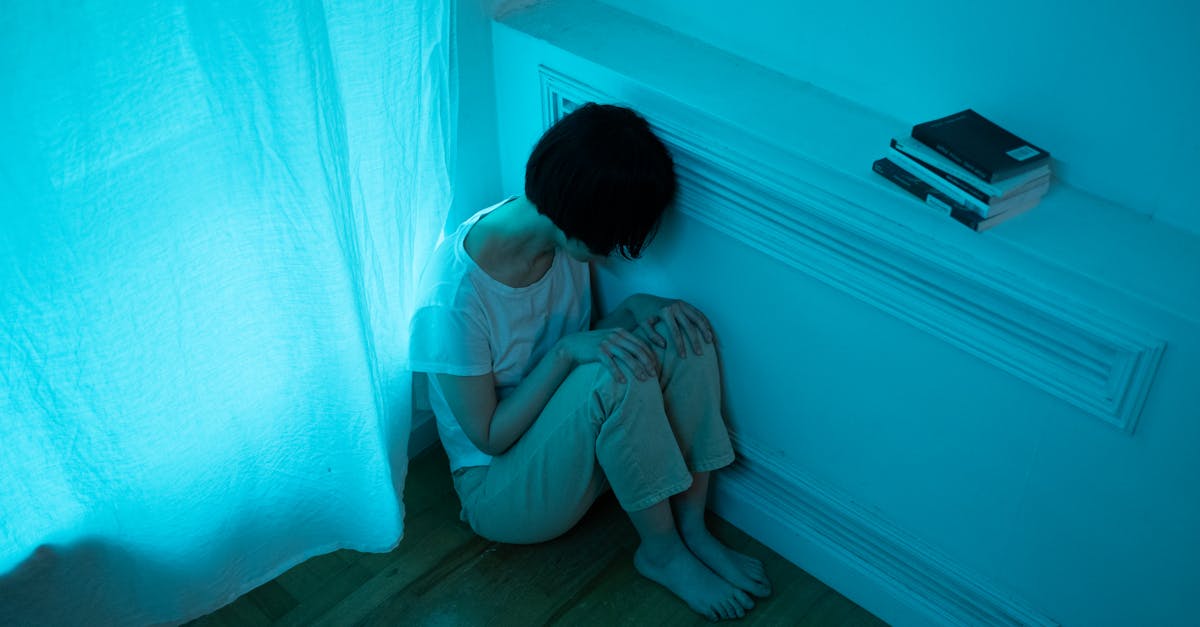
Let’s be honest: this generation doesn’t have the luxury of pretending everything is fine. We grew up with school shootings, a pandemic, and a collapsing planet. Happy music feels like a lie. Sad music feels like truth.
And that’s why the Gen-Z Bible is full of minor keys, whispered vocals, and lyrics that hurt. It’s not masochism — it’s catharsis.
The Death of the Album: Why Playlists Are the New Sacred Texts
Here’s something I’ve noticed that most people miss: Gen-Z doesn’t buy albums — they curate playlists.
The album format — a sequence of songs meant to be heard in order — is dying. Why? Because this generation lives in a state of constant emotional flux. You don’t listen to a whole album. You listen to a mood.
I have a playlist called “Rainy Day Existential Crisis” that has 47 songs from 30 different artists. It’s my personal Bible. It starts with Space Song by Beach House, moves into Fade Into You by Mazzy Star, and ends with Night Shift* by Lucy Dacus. There’s no narrative — only feeling.
This changes everything. Artists can no longer rely on a front-to-back listening experience. They have to write songs that stand alone, that can slide into any playlist, that can hit you in the gut even if you’ve never heard the rest of the album.
The Gen-Z Bible is a mix tape made by the algorithm. And the most successful artists are the ones who write chapters that work on their own.
The Final Word: What the Gen-Z Bible Teaches Us About Being Human
I’ve spent years studying this. And here’s my conclusion: the Gen-Z Bible is not about music. It’s about survival.
Every song, every trend, every algorithm — it’s all a way to process a world that feels too fast, too loud, too broken. Music is the language we use when words aren’t enough. And this generation has mastered that language in ways that previous generations never had to.
So if you’re reading this and you’re not Gen-Z, here’s your homework: stop judging the music and start listening to what it’s saying. The sad songs aren’t a cry for help — they’re a declaration of existence. The genre-bending isn’t chaos — it’s freedom. The three-second hooks aren’t laziness — they’re efficiency.
And if you are Gen-Z? Keep writing your Bible. Keep making playlists. Keep crying to songs that nobody else understands. You’re not being dramatic. You’re being honest. And that’s the most sacred thing you can be.
Now go put on your headphones. The universe is waiting.