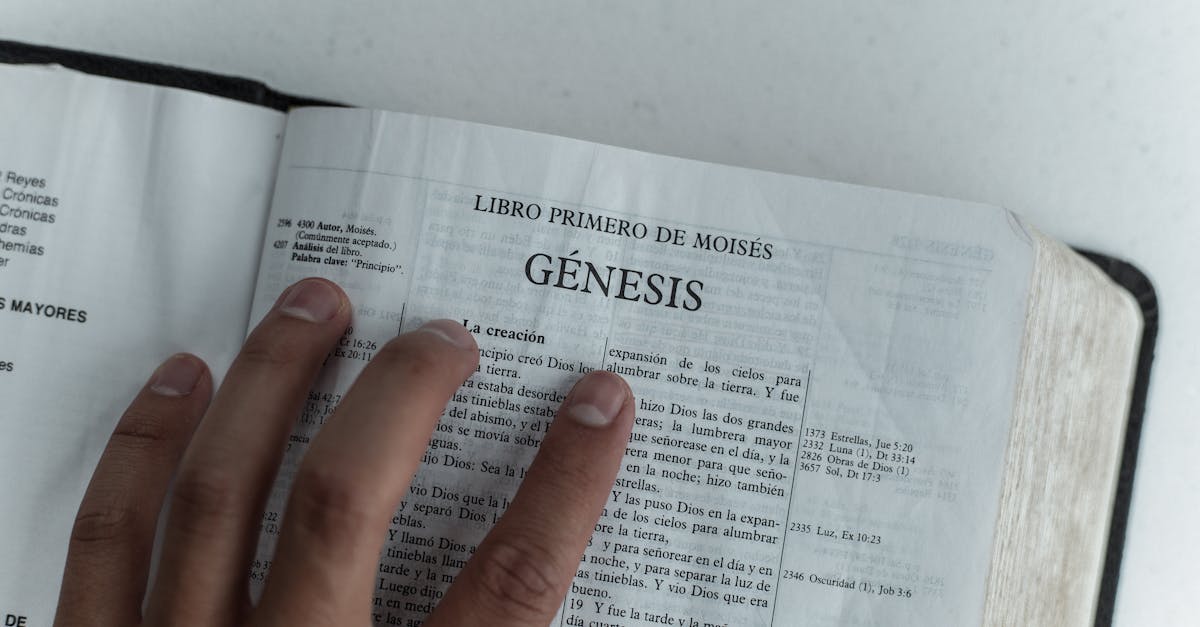
Let me tell you something: if you were born between 1997 and 2012, you’ve been handed a manual for life, but nobody actually gave you a physical copy. It’s called the Gen-Z Bible, and it’s not a book you can buy on Amazon or find at your local bookstore. It lives in group chats, TikTok captions, Pinterest boards, and the quiet moments when you realize your parents’ advice doesn’t quite fit anymore.
I’ve spent years watching my generation navigate this weird, chaotic, hyper-connected world, and I’ve found that there’s a set of unwritten rules we all follow—a code that defines how we work, love, heal, and survive. Let’s break this down, because if you’re Gen Z, you already know this stuff deep down. You just need someone to say it out loud.

The 3 Pillars of the Gen-Z Bible: Authenticity, Boundaries, and Chaos
Here’s what most people miss: our generation doesn’t want a rulebook—we want a permission slip. We don’t need someone telling us what to do; we need someone saying, “It’s okay to do it your way.” The Gen-Z Bible isn’t about commandments carved in stone. It’s more like a Spotify playlist you curate for your own vibe.
Let’s break it down into three pillars:
- Authenticity Over Perfection – We’ve watched influencers curate flawless lives, then get canceled for being fake. The lesson? Flaws are the new flex. We’d rather see a messy room with real feelings than a staged aesthetic with zero soul. I’ve personally unfollowed accounts that felt too polished—they just feel like ads for a life I don’t want.
- Boundaries That Bite – Boomers called it “being rude.” We call it self-preservation. Whether it’s muting a group chat at 9 PM or saying “no” to a family dinner without guilt, Gen Z has weaponized the word “boundary.” And honestly? It’s the healthiest thing we’ve ever done.
- Embracing the Chaos – Let’s be honest: the world is on fire, the economy is weird, and climate change is knocking. Instead of pretending everything’s fine, we’re learning to dance in the rain. We find humor in the absurd, create memes out of tragedy, and build communities around shared struggles. It’s not denial—it’s resilience with a side of irony.

The “Soft Life” Movement: Why We’re Ditching Hustle Culture
You’ve heard it a million times: “Grind until you make it,” “Sleep is for the weak,” “Rise and grind.” But here’s the secret the Gen-Z Bible reveals: that advice was written by people who sold their souls for a paycheck and regretted it.
I’ve seen friends burn out by 25, chasing corporate ladders that led to nowhere. Meanwhile, the “soft life” movement—rooted in prioritizing peace, rest, and pleasure—is our quiet rebellion. It’s not about being lazy; it’s about redefining success. We want time to read, cook, travel, and actually feel alive, not just survive the week for a two-day weekend.
- Financial independence isn’t just about money – It’s about having the freedom to say “no” to a job that drains you.
- Rest is productive – The idea that you must be constantly “on” is a scam. We’re learning to recharge without guilt.
- Passion projects over promotions – Many of us would rather build a side hustle that makes us happy than climb a ladder we don’t care about.
The Digital Detox Paradox: We’re Online, But We Know It’s Toxic
Here’s the irony: the Gen-Z Bible is basically an app we all downloaded, but we also know it’s ruining our dopamine receptors. We are the first generation to grow up with social media from birth, and we’re also the first to admit it’s broken.
I’ve deleted Instagram more times than I can count, only to reinstall it because FOMO hits hard. But here’s what I’ve noticed: we’re getting smarter about it. We don’t just scroll mindlessly anymore—we curate our feeds like gardens. We mute, block, and unfollow without hesitation. We know that comparison is the thief of joy, and we’re not afraid to protect our peace.
- The “Dopamine Menu” – We plan our digital consumption like a meal: a little education, some humor, a touch of inspiration, and a side of mindless entertainment.
- Digital minimalism is trending – We’re deleting apps, turning off notifications, and even buying dumb phones (yes, flip phones are making a comeback).
- Real connection > viral validation – We’d rather have 5 close friends in a group chat than 5,000 followers we’ve never met.
The Therapy Generation: Healing in Public
Let me tell you something that might shock older folks: Gen Z talks about therapy like it’s a favorite hobby. We don’t hide our struggles—we post about them. We share our anxiety, our depression, our trauma, and our healing journeys on TikTok, Instagram, and even LinkedIn.
This openness is one of the most powerful parts of the Gen-Z Bible. We’ve normalized asking for help. We’ve destigmatized medication. We’ve made “going to therapy” as casual as “going to the gym.” And honestly? It’s saving lives.
- Therapy speak is everywhere – Words like “gaslighting,” “boundaries,” “trauma response,” and “inner child” are now part of everyday conversation.
- We’re healing generational wounds – Many of us are the first in our families to break cycles of toxic behavior, emotional neglect, and unhealed trauma.
- Self-care is not selfish – We’ve learned that you can’t pour from an empty cup. Taking care of your mental health is the most productive thing you can do.

The Revolution of “Soft Skills”: Why Emotional Intelligence Is the New Power Move
Here’s what most people miss about Gen Z: we’re not just good with tech—we’re good with people. Every generation thinks the next one is socially awkward, but we’ve actually become masters of emotional intelligence. Why? Because we’ve had to navigate a world where everyone’s feelings are on display 24/7.
The Gen-Z Bible emphasizes soft skills as the ultimate currency:
- Empathy – We’ve learned to see different perspectives because we’ve been exposed to them online.
- Communication – We know how to say “I need space” without ghosting (well, most of the time).
- Conflict resolution – We’re more likely to have “difficult conversations” than sweep issues under the rug.
- Adaptability – The world changed overnight multiple times. We learned to pivot.
The Final Verse: You Are Your Own Author
So here’s the truth: the Gen-Z Bible is unwritten. It’s a living document that changes with every new TikTok trend, every global crisis, every personal breakthrough. We’re not following a script—we’re writing it as we go.
What I love most about my generation is this: we refuse to settle. We refuse to accept a world that doesn’t work for us. We’re redefining success, love, health, and happiness on our own terms. And while some might call us entitled or lazy, I call us awake.
The Gen-Z Bible isn’t about having all the answers. It’s about asking better questions. It’s about giving yourself permission to be messy, to change your mind, to prioritize your peace, and to live a life that feels true to you.
So go ahead. Write your own verse. Break the rules that don’t serve you. And remember: you don’t need a book to tell you who you are. You just need the courage to be it.
Now, tell me—what’s one rule from the Gen-Z Bible that you live by? Drop it in the comments. I’m genuinely curious.