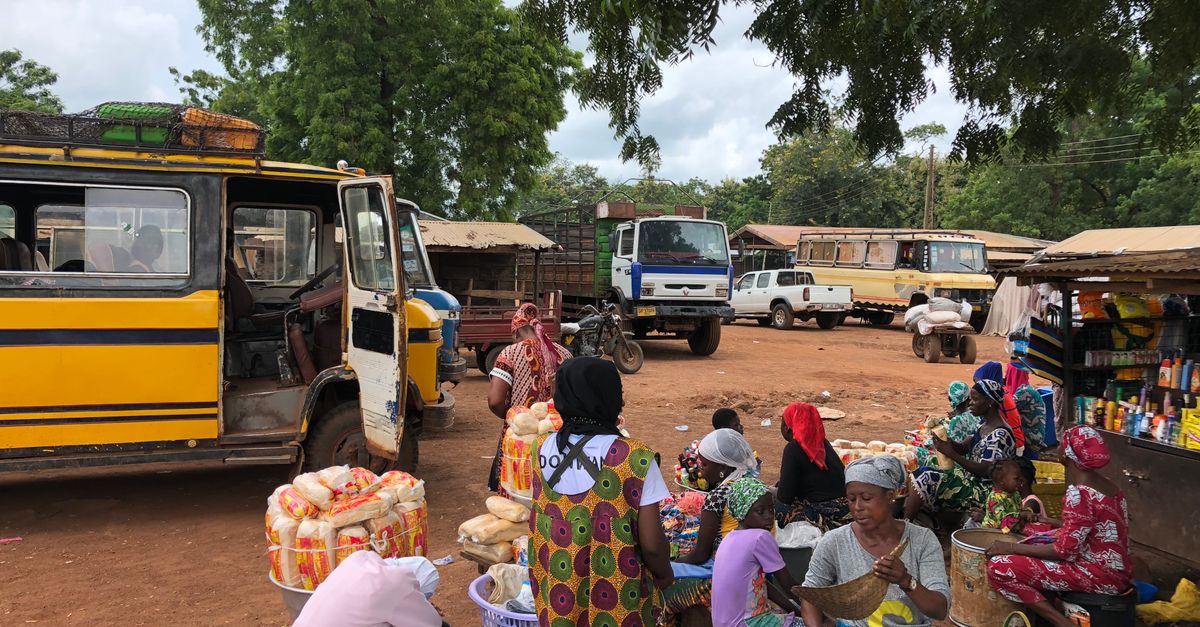
Last Thursday, I found myself standing in a parking lot in Ho, Ghana, holding a paper cone of kenkey that had been deep-fried and stuffed with spiced avocado. The woman who sold it to me, Akua, had quit her bank job six months earlier. She was now running a ghost kitchen out of her mother’s backyard, serving 200 orders a day through WhatsApp. “The bank paid me to watch the clock,” she laughed, wiping her hands on her apron. “Here, I pay myself to watch people smile.”
I couldn’t stop thinking about her story. Because here’s the truth: the food scene in Ho is exploding — but not in the way you’d expect. It’s not about fancy restaurants or Michelin stars. It’s about scrappy entrepreneurs, forgotten ingredients, and a generation that’s hungry for something real. Let me walk you through the fastest growing businesses in this city — and why you’re probably missing the biggest opportunity of all.
The Ghost Kitchen Gold Rush Nobody’s Talking About
Let’s be honest: when most people think of “fastest growing businesses in Ho,” they picture a sit-down restaurant with air conditioning and a printed menu. But the real action is happening in the shadows — literally.
Ghost kitchens (commercial cooking spaces with no dining room) are multiplying faster than plantain chips at a funeral. Why? Because the economics finally make sense. Rent in Ho’s central market has tripled in five years, but a shared kitchen space in a residential area costs a fraction of that. I’ve seen three ghost kitchens launch in the last six months alone, each specializing in a single dish:
- Jollof-on-the-go — delivery-only jollof rice with 12 custom spice blends
- Fufu Fast — pre-packaged fufu balls with ready-to-eat soups
- The Bofrot Bar — Ghanaian doughnuts stuffed with local honey and chili
Here’s my hot take: if you’re thinking about opening a restaurant in Ho right now, you’re already behind. The smart money is on invisible kitchens, WhatsApp ordering, and electric motorbike delivery.
The “Forgotten Ingredient” Revolution
I grew up eating agushie (melon seed soup) at my grandmother’s house. For years, I thought it was just poor people’s food. But something shifted. Young Ghanaians are rediscovering traditional ingredients — and turning them into premium products.
Walk into any new food business in Ho that’s actually growing, and you’ll find someone obsessed with one ingredient. Not imported quinoa or kale. I’m talking about:
- Dawadawa — fermented locust beans, now sold as umami seasoning in artisanal jars
- Hibiscus — dried and sold as gourmet tea blends with ginger and lemongrass
- Millet — being milled into gluten-free flour for expat-friendly baked goods
I’ve found that this works because people are tired of being marketed to. They want to taste a place. They want to feel like they’re part of something older than Instagram. If you can tell that story without being pretentious, you’ll print money.

The Meal Prep Trap (And Why It’s Actually Working)
Okay, I’ll admit it: I rolled my eyes when I first saw “meal prep” businesses popping up in Ho. I thought it was a trend imported from Lagos or Accra that would die within months. I was wrong.
Here’s what I didn’t understand: working-class Ghanaians have been meal prepping forever. Your mother would cook a huge pot of okro stew on Sunday and eat it all week. The innovation isn’t the concept — it’s the packaging and convenience.
The fastest growing business in this category right now is a company called “Weekend Pot”. You pick up a pre-portioned, vacuum-sealed bag of ingredients on Friday evening. It comes with a video QR code that shows you exactly how to cook it in 20 minutes. They sell out by 10 AM every Saturday.
Why is this exploding? Three reasons:
- Young professionals in Ho have money but no time
- Students at the University of Health and Allied Sciences want real food, not noodles
- Mothers are tired of cooking elaborate meals after working all day
The Beverage Boom No One Saw Coming
Let me tell you a story about palm wine. For decades, it was the drink of village uncles who sat under trees and argued about politics. But in the last year, I’ve counted seven new beverage businesses in Ho that are built on traditional drinks — and they’re crushing it.
One example: “Sobolo Supreme”. A young woman named Adzo started bottling her grandmother’s hibiscus drink recipe in reused beer bottles. She added a pinch of cloves and a whisper of vanilla. Now she sells to three hotels and two supermarkets. Her monthly revenue? Let’s just say it’s more than her father makes as a civil servant.
What’s driving this?
- Health consciousness — people are avoiding sodas and artificial juices
- Nostalgia marketing — the taste of childhood, bottled and branded
- Low barrier to entry — you can start with a pot, a stove, and a dream
I’ve found that people in Ho are willing to pay premium prices for authenticity that feels intentional. Not fake “artisanal” vibes. Real, rooted, functional tradition.
The Hidden Goldmine: Food Tourism Experiences
This one is going to surprise you. The fastest growing food businesses in Ho aren’t selling food at all. They’re selling access.
I’m talking about cooking classes where tourists (and wealthy Accra residents) pay to spend a day in a local kitchen. I’m talking about “farm-to-table” tours of community gardens in the Volta Region. I’m talking about food storytelling events where elders share the history of a dish while you eat it.
One business, “Taste of the Volta”, charges 500 cedis per person for a four-hour experience. They take you to buy ingredients at the market, cook with a local family, and eat on a rooftop overlooking the mountains. They’re booked solid for the next three months.
Why this works:
- Ghanaian diaspora wants to reconnect with their roots
- Expat workers in Accra are desperate for weekend getaways with cultural depth
- Social media content — people film everything and tag the business for free
What You Should Do Right Now
I’ve been watching this space for two years now. And if there’s one thing I’ve learned, it’s this: the fastest growing businesses in Ho are the ones that solve a real problem with a deeply local solution.
Don’t try to import a pizza franchise. Don’t open another chop bar with the same red plastic chairs. Ask yourself: what do people in this city actually need?
- They need dinner that doesn’t take three hours to cook
- They need flavors that remind them of home but fit their modern life
- They need businesses that respect their time and their taste
The opportunity is right here. In the markets, the kitchens, the backyards of Ho. You just have to be brave enough to look past the obvious.
So here’s my challenge to you: this weekend, go to a local market. Talk to a food seller. Ask them what they’d change if they had the resources. Listen for the problem they can’t solve — that’s your business idea.
And if you find it? Send me a message. I’d love to taste what you create.