
Let me tell you something: I’ve been in enough staff meetings and parent-teacher conferences to know that when someone says “environmental sustainability in education,” most people’s eyes glaze over. They think recycling bins, solar panels, and a kid holding a sad-looking plant.
That’s not what I’m talking about.
I’m talking about the hidden curriculum — the stuff schools teach without anyone noticing. The way we structure time, the materials we buy, the food we serve, the field trips we take, the energy we waste on outdated systems. And here’s the part that shocks most people: our education system is actually a massive contributor to environmental unsustainability, and we’re not even trying to fix it.
I’ve spent the last four years digging into this as a blogger and parent volunteer. I’ve visited green schools, talked to sustainability coordinators, and read more white papers than I care to admit. Let me cut through the fluff. Here’s what you actually need to know about environmental sustainability in education — and why it’s not just about saving the planet. It’s about saving our kids’ ability to think.
The Shocking Truth: Schools Are Carbon Factories
Let’s start with some uncomfortable numbers. A typical American school produces roughly 18,000 pounds of CO2 per student per year — that’s the equivalent of driving a car around the entire equator. Twice. And that’s before you count the buses, the cafeteria waste, and the thousands of disposable coffee cups from the teachers’ lounge.
Here’s what most people miss: schools are designed for the 1950s. We’ve got buildings that leak heat like a sieve, lighting systems from the Reagan era, and HVAC units that sound like a freight train while burning through fossil fuels. I visited a high school in Ohio last year that still had original single-pane windows from 1965. The principal told me their heating bill was $47,000 a month. In December.
But it’s not just the buildings. It’s the culture. Think about the typical school day:
- Paper waste: A single classroom can go through 2,000 sheets of paper per week — worksheets, handouts, permission slips, progress reports. Most of it gets thrown away.
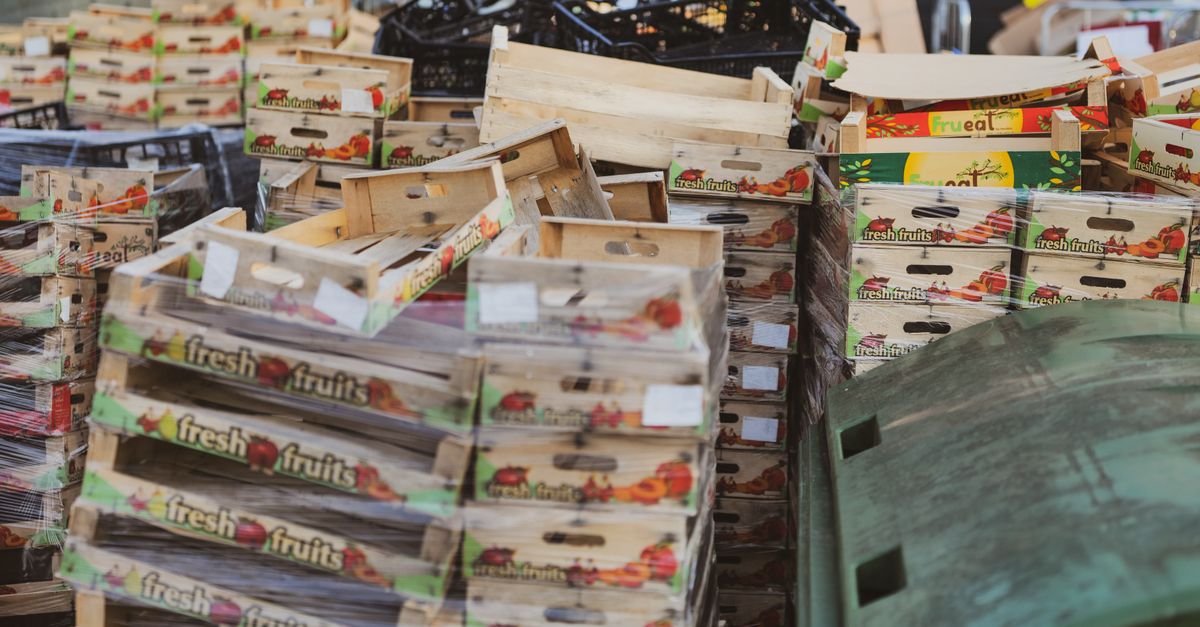
- Plastic everything: Water bottles, lunch trays, snack wrappers, art supplies. I once counted 47 individually wrapped items in one kid’s lunchbox.
- Transportation: The yellow bus is actually more efficient per student than individual car rides, but most districts run buses that are half-empty because of outdated routes.
- Technology: Every school now has a 1:1 device program. That means thousands of laptops, tablets, and Chromebooks — each with a battery that dies in two years and a motherboard that can’t be recycled.
The 3 Things Nobody Tells You About Green Schools
When I started researching this topic, I expected to find a bunch of boring checklists. “Turn off the lights.” “Recycle more.” “Buy energy-efficient appliances.” Yawn.
Instead, I found three things that genuinely surprised me — and they might change how you think about sustainability in education.
1. Green Schools Save Money (More Than You Think)
Let’s be honest: the biggest objection to sustainability in schools is cost. Administrators say, “We can’t afford solar panels,” or “Energy-efficient windows are too expensive.” But here’s the kicker: green schools actually save money in the long run.
A study by the U.S. Green Building Council found that green schools reduce utility costs by an average of 30-50%. That’s not chump change. For a typical school district, that’s hundreds of thousands of dollars per year — money that can go back into teacher salaries, classroom supplies, or after-school programs.
I visited a school in Portland that installed a geothermal heating system. Their energy bill dropped from $12,000 a month to $3,000. The superintendent told me, “We paid off the system in five years. Now we’re saving $100,000 a year. That’s two teachers’ salaries.”
2. Sustainability Boosts Learning (Yes, Really)
Here’s the part that sounds like magic but is backed by real data: students in green schools perform better academically.
A 2020 study from Harvard found that students in schools with better indoor air quality scored 10-15% higher on standardized tests. Why? Because fresh air and natural light improve cognitive function. When kids aren’t breathing in stale, CO2-laden air, their brains work better.
I’ve seen this firsthand. My daughter’s school installed a green roof and opened a garden classroom. The teachers said kids were more focused, less hyperactive, and more engaged. One teacher told me, “We used to spend 15 minutes just getting them to calm down. Now they walk in and they’re already ready to learn.”
3. It’s Not About “Saving the Planet” — It’s About Teaching Critical Thinking
This is the big one. Most people think sustainability education is about teaching kids to recycle or plant trees. That’s cute, but it’s not deep.
Real sustainability education is about systems thinking. It’s about understanding how energy flows, where waste goes, and how our choices ripple through the world. When a student asks, “Why do we throw away this plastic?” and you answer, “Because there’s no market for it,” you’re teaching them economics, logistics, and ethics all at once.
I’ve found that kids are hungry for this kind of thinking. They want to know why things are the way they are. They want to solve problems. They don’t want lectures about polar bears — they want to redesign the cafeteria’s waste system or calculate the carbon footprint of their school bus route.

Why Your Kid’s School Is Probably Doing It Wrong
Let me be blunt: most schools are terrible at sustainability. And it’s not because they don’t care. It’s because they’re trapped in a system that rewards the wrong things.
Here’s what I see over and over:
- Performative recycling: Schools put out blue bins but don’t actually recycle. The custodial staff throws everything in the same dumpster because it’s faster.
- Greenwashing projects: A school plants a tree for Earth Day, takes a photo, and calls it a year. No systems change.
- Token curriculum: A teacher shows a video about climate change, then hands out a worksheet. Kids memorize facts but never apply them.
- Lack of leadership: Principals and superintendents don’t prioritize sustainability because it’s not in their performance metrics. They’re judged on test scores and graduation rates, not carbon emissions.
Here’s what a truly sustainable school looks like:
- Curriculum integration: Sustainability isn’t a separate subject — it’s woven into math (calculating energy use), science (studying local ecosystems), social studies (examining global supply chains), and even English (writing persuasive essays on environmental policy).
- Operational changes: The school buys renewable energy, uses low-flow water fixtures, composts food waste, and has a no-idling policy for buses.
- Student leadership: Kids actually run the sustainability initiatives — from energy audits to waste audits to community outreach.
- Community partnerships: The school works with local farms, businesses, and nonprofits to create real-world learning opportunities.
The One Thing You Can Do Today (That Actually Works)
If you’re a parent, teacher, or administrator reading this, you’re probably thinking: “Great, Daniel. More problems. What can I actually do?”
Here’s the thing: you don’t need to start a revolution. You just need to start one conversation.
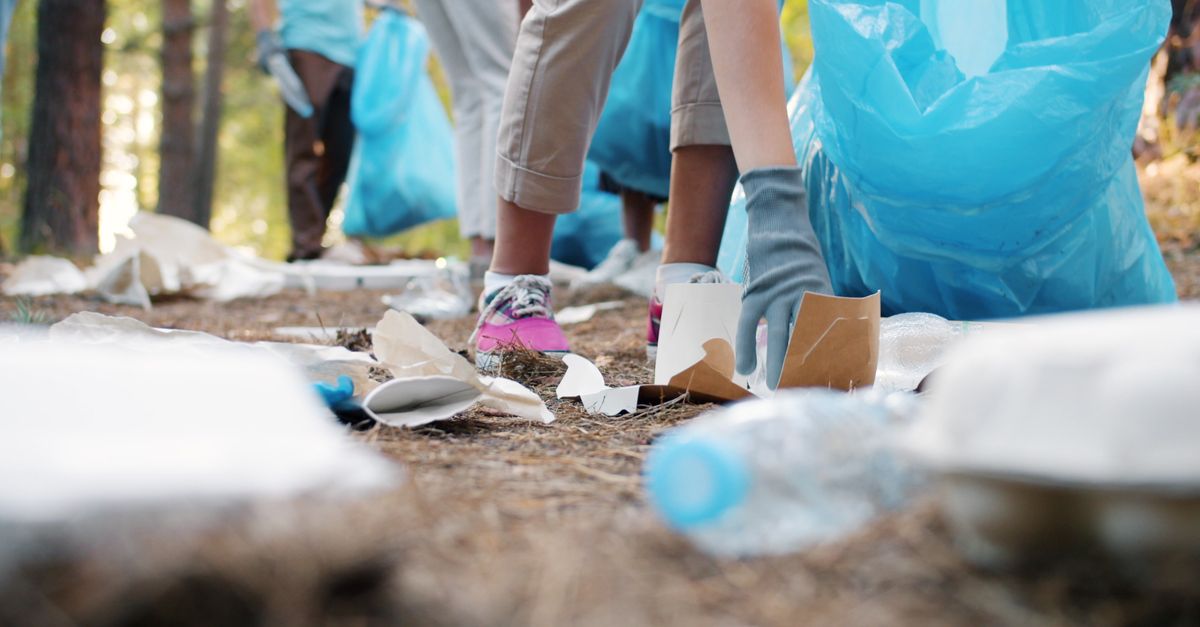
The most effective sustainability intervention I’ve seen in schools is a simple waste audit. Here’s how it works:
- Pick a day and collect all the trash from one classroom or the cafeteria.
- Sort it into categories: paper, plastic, food waste, metal, glass, and “other.”
- Weigh it and calculate the percentages.
- Share the results with the class, the school, or the district.
That’s the secret: Don’t tell kids what to do. Show them the data. Let them figure it out.
Another thing that works: ask your school one question. Walk into the principal’s office and say, “I’m curious — what’s our energy bill per student?” or “How much food waste do we produce in a week?” Most administrators have no idea. And when they realize they don’t know, they start paying attention.
I’ve seen schools reduce their waste by 40% in six months just because someone asked the right question.
Why This Matters More Than You Think
Here’s my honest take: environmental sustainability in education isn’t a luxury. It’s a necessity.
We’re raising kids who will inherit a world with more extreme weather, less biodiversity, and tighter resource constraints. If they don’t learn how to think systemically — how to understand trade-offs, calculate impacts, and collaborate on solutions — they’re going to be overwhelmed.
But it’s also about something deeper. When a school commits to sustainability, it sends a message: We care about the future. We care about you. We’re willing to change.
I’ve seen students light up when they realize their school is taking action. They stop feeling helpless. They start believing that change is possible. And that belief? It’s more powerful than any solar panel or recycling bin.
So here’s my challenge to you: This week, do one thing. Ask one question. Start one conversation. Join the PTA sustainability committee. Or just walk into the cafeteria and notice what’s being thrown away.
Because the truth is, we don’t need perfect schools. We need schools that are willing to try. And the best time to start? Yesterday. The second best time? Right now.
Go make some noise.