
Let’s get one thing straight: your faith is not a get-out-of-jail-free card for trashing the planet. I’ve sat through sermons where the pastor blessed a new SUV, watched megachurches burn through enough electricity to power a small town, and heard people say “God will provide” while they toss a plastic water bottle into a trash can that’s overflowing. And I’m tired of it. Here’s the controversial truth: if your spirituality doesn’t make you care about the dirt under your feet, the air in your lungs, and the creatures you share this rock with, you might be practicing a religion of convenience, not conviction.
I’m Amina Mohammed, and I write on CYBEV.io about the intersection of faith and real life. Today, we’re getting into environmental sustainability — not as a liberal agenda or a political talking point, but as a core tenet of every major faith tradition. Spoiler: the Bible, Quran, Torah, and Bhagavad Gita all agree on this more than they agree on anything else. Let’s dig in.
The Sacred Act of Dirt Worship
Let’s be honest: most of us have divorced our spiritual lives from our physical ones. We pray for peace, but we don’t think about the carbon footprint of the incense we burn. We ask for blessings on our food, but we ignore the fact that it was shipped from 3,000 miles away wrapped in styrofoam. We’ve made faith an abstract concept when it was always meant to be grounded.
Here’s what most people miss: every major scripture starts with creation. Genesis. The Quran’s Surah Al-Anbiya. The Tao Te Ching. They don’t start with rules about what to wear or who to marry — they start with the world. And if the first thing your holy book talks about is the earth, maybe that’s a hint about what should be your first priority.
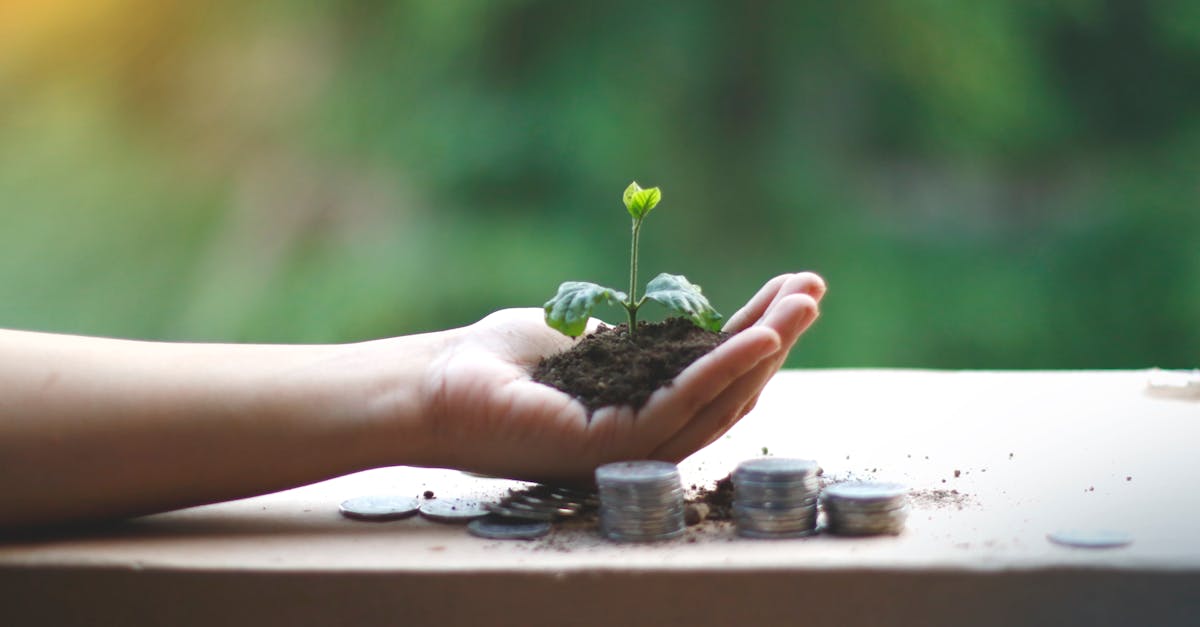
I’ve found that when I treat gardening as a form of prayer, something shifts. It’s not just about growing tomatoes; it’s about participating in the act of sustaining life. The soil becomes a prayer rug. The compost bin becomes an altar. Environmental sustainability isn’t a side hustle for your faith — it’s the main event.
The 3 Faith-Based Lies We Tell Ourselves About the Planet
We’ve created some convenient myths to justify our inaction. Let me dismantle them for you:
- “The end is coming, so why bother?” — This is the most dangerous lie. Whether you believe in the Rapture, the coming of the Mahdi, or a new age, the idea that “it’s all going to burn anyway” is a cop-out. Every major faith also teaches stewardship, not abandonment. Jesus didn’t say “trash the place, I’ll be back soon.” He told a parable about a master leaving servants in charge of his property. You are that servant.
- “God will fix it.” — Yes, and God gave you hands, a brain, and the ability to recycle. Faith without works is dead, remember? If you believe in divine intervention, then recognize that you are the intervention. The planet isn’t waiting for a miracle — it’s waiting for you to stop buying single-use plastics.
- “It’s a political issue, not a spiritual one.” — Bull. The air doesn’t check your voter registration before it enters your lungs. The water doesn’t ask your party affiliation before it floods your home. Pollution is a sin. It’s a sin against your neighbor, against future generations, and against the Creator who said “it is good.”
The Surprising Spiritual Power of a Compost Bin
I started composting last year, and I swear it taught me more about humility than any sermon ever did. You throw in eggshells, coffee grounds, and rotting vegetable scraps, and after weeks of decomposition, you get black gold. It’s resurrection in a bucket.
Here’s the thing about environmental sustainability that your faith community probably isn’t telling you: it’s not about sacrifice. It’s about alignment. When you align your daily habits with your deepest beliefs, something clicks. You stop seeing the world as a resource to be exploited and start seeing it as a trust to be honored.
I’ve found that the most spiritually mature people I know are also the ones who:
- Grow their own food (even if it’s just herbs on a windowsill)
- Refuse to waste (because everything is a gift)
- Live simply (because they know they’re not taking it with them)
The Hidden Verses Your Preacher Skipped
I grew up in a faith tradition where we talked a lot about salvation, but never about soil. Funny thing is, the scriptures are full of environmental mandates. Here are a few that should make you uncomfortable:
- Leviticus 25:4 — “But in the seventh year the land is to have a year of sabbath rest.” That’s right, even the dirt gets a day off. God commanded agricultural sustainability 3,000 years before scientists coined the term.
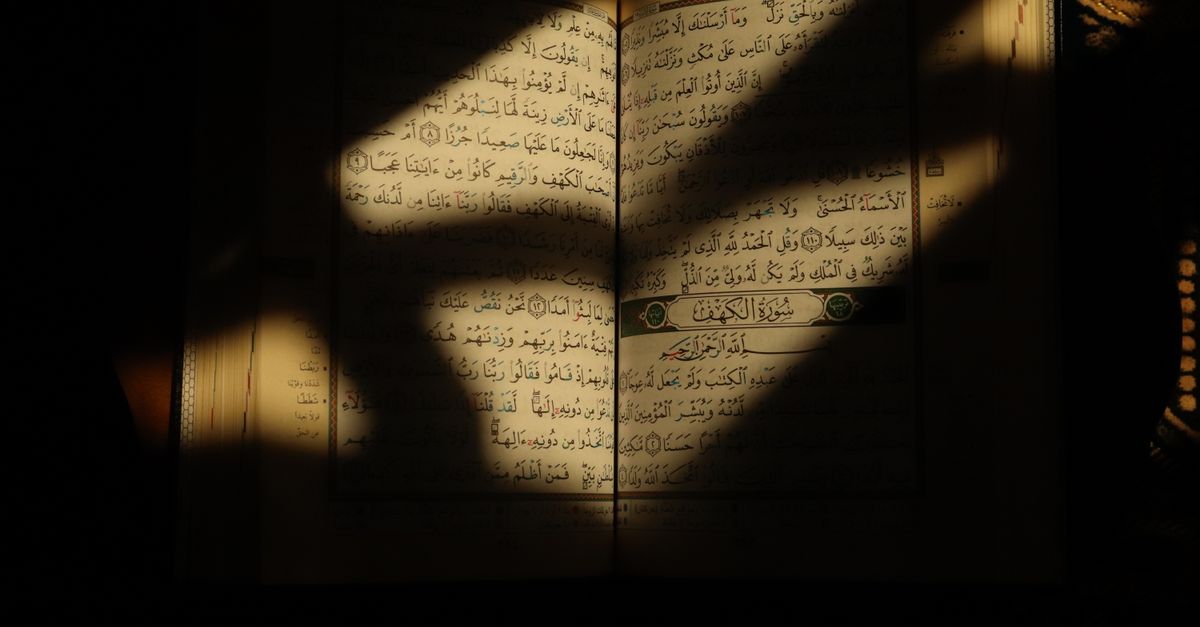
- Quran 7:56 — “And cause not corruption upon the earth after its reformation.” Not a suggestion. A command.
- Genesis 2:15 — “The Lord God took the man and put him in the Garden of Eden to work it and take care of it.” The Hebrew word is avad — it means to serve, to tend, to protect. You are not the owner. You are the gardener.
The 7-Second Test for Your Faith Community
Before you roll your eyes and think “this doesn’t apply to me,” take a look at your place of worship. I want you to do what I call the 7-Second Test:
- Look at the parking lot. Is it full of gas-guzzlers? Are there bike racks? Carpool signs?
- Check the trash cans. Are recycling bins even present? Or is everything going to a landfill?
- Notice the cups. After the coffee hour, what happens to those styrofoam cups?
- Examine the lawn. Is it a monoculture of grass that requires gallons of water and chemicals? Or is it a native plant haven that supports pollinators?
I’ve been in churches that spend thousands on sound systems but can’t afford a composting program. I’ve been in mosques that talk about stewardship but serve water in plastic bottles during Ramadan iftar. We have to do better.

The One Thing That Changes Everything
After years of wrestling with this, I’ve landed on one core insight: environmental sustainability is not an add-on to your faith. It is the evidence of your faith. You can’t claim to love God while poisoning God’s creation. You can’t say you care about the poor while supporting systems that dump pollution in their neighborhoods. You can’t pray for peace while driving a vehicle that contributes to climate wars.
Here’s what I want you to do — and I mean this seriously:
- Pick one habit this week. Just one. Maybe it’s carrying a reusable water bottle. Maybe it’s starting a compost pile. Maybe it’s walking instead of driving for short trips.
- Connect it to your faith. Before you do it, say a quick prayer: “God, I do this because I honor you as Creator.”
- Tell one person in your faith community. Start a conversation. Be annoying about it if you have to.
So here’s my challenge: next time you pray, don’t just ask for blessings. Ask for the courage to be the answer. And then go plant something. Or pick up trash. Or write a letter to your city council. Your faith demands it.
Now, go outside. Touch the dirt. Say thank you. And then get to work.