
I remember the exact moment I realized my 9-to-5 was a cage of my own making. It was 2:47 PM on a Tuesday. I was staring at a spreadsheet that didn't matter, in a meeting that could have been an email, while my phone buzzed with a notification from a friend who'd just quit her corporate job to sell handmade ceramic mugs online. She wasn't just surviving — she was thriving. Her Instagram was a mess of unfiltered joy, and her "side hustle" was making more per hour than my monthly salary. I felt a mix of envy and a burning question: What does she know that I don't?
Let's be honest: the word "entrepreneurship" still sounds like a buzzword thrown around at overpriced networking events. But here's the truth nobody tells you — the greatest entrepreneurship opportunities in the lifestyle space aren't about inventing something new. They're about packaging your own damn life into something people actually want to buy. You don't need a Silicon Valley pedigree. You need a pulse, a phone, and a willingness to be uncomfortably real.

The Hidden Goldmine Nobody Talks About: Your Own Boring Routine
I've found that the most lucrative opportunities are hiding in plain sight — specifically, in the things you do every single day without thinking. The way you brew your morning coffee, the exact playlist you use to get through a tough workout, the 15-minute skincare routine that actually works for your acne-prone skin. These aren't just habits. They're products waiting to happen.
Here's what most people miss: *lifestyle entrepreneurship isn't about selling things. It's about selling results and identity. Someone doesn't buy a meal prep guide because they're hungry. They buy it because they want to feel like the kind of person who has their life together. They don't buy a digital planner because they need a calendar. They buy it because they want to escape the chaos of their own brain.
I've watched friends turn their "stupid little hobbies" into six-figure businesses:
- A guy who made sourdough starter kits in his kitchen now ships to 12 countries.
- A woman who documented her minimalist decluttering journey now sells courses on "living with 50 items or less."
- A couple who simply filmed their van life renovations now has a Patreon that pays their mortgage.
The 3 Most Underserved Niches You Can Start Tomorrow
Let's cut through the noise. Everyone and their mother is trying to sell you on "passive income" or "dropshipping." Forget that. Here are three specific, underserved areas where I've seen real people build real businesses — without quitting their day job overnight.
1. The "Imperfect Wellness" Coach We're drowning in perfectly curated fitness influencers who eat kale and wake up at 4 AM. The market is starving for someone who says, "I ate a whole pizza yesterday, and here's how I still hit my step goal." The opportunity is in radical honesty. Create content around realistic routines for people with zero willpower. Sell a "Lazy Girl's Guide to Not Hating Exercise" — a simple 15-minute routine you can do in your pajamas. The audience is huge, and the competition is low because nobody wants to admit they're not perfect.
2. The "Anti-Trend" Home Decorator Home decor content is a wasteland of beige and white "aesthetic" spaces that look like a hospital waiting room. But real people have cluttered homes, mismatched furniture, and pets that destroy everything. There's a goldmine in helping people make their actual homes feel good — not some Pinterest fantasy. You could sell digital guides on "How to Style Your IKEA Couch With Thrifted Finds" or "The Art of Hiding Clutter in Plain Sight." People will pay for permission to stop chasing trends.
3. The "Low-Social Battery" Social Connector Introverts are a massive, untapped market. Most "community-building" advice assumes you're an extrovert who loves Zoom calls. But what about the people who want connection without the energy drain? Create a paid newsletter or Discord community where the only rule is "no forced interaction." Sell templates for "How to Reply to Texts Without Overthinking" or a "Solo Date Ideas" digital pack. The key is selling space to be yourself, not pressure to perform.

The Shocking Secret About "Scaling" Your Lifestyle Brand
Here's a hard truth I had to learn the painful way: scaling a lifestyle business doesn't mean doing more. It means doing less — but with more intention.
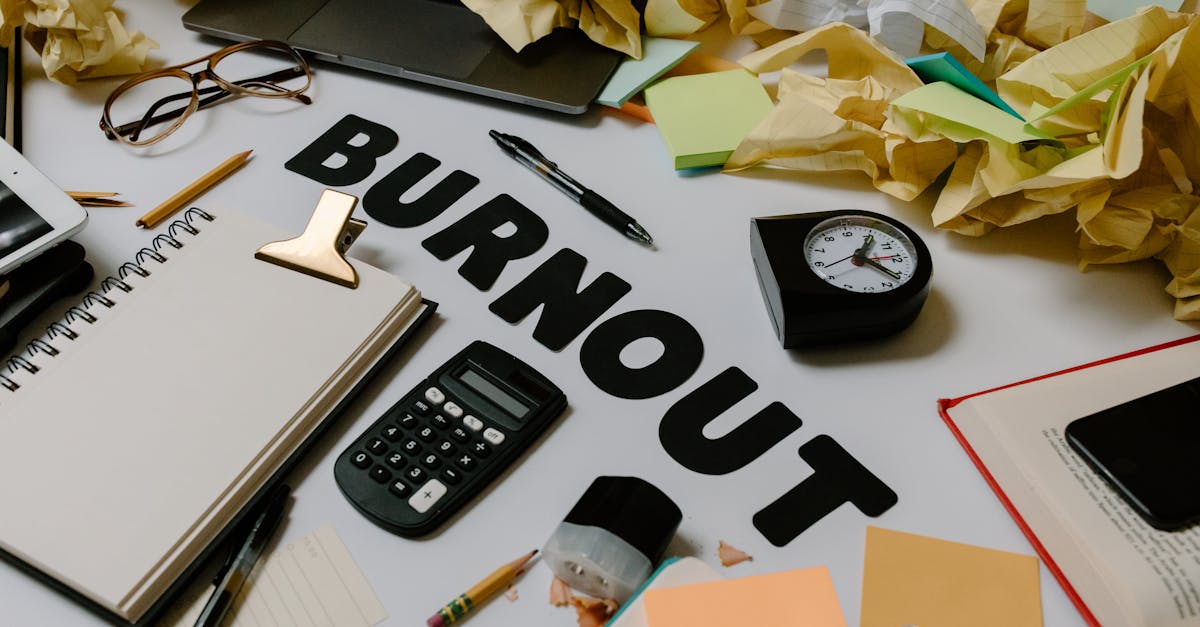
When I first started blogging about minimalist living (ironic, I know), I thought success meant writing 5 articles a week, posting 3 times a day on Instagram, and saying "yes" to every collaboration. I burned out in 6 months. My content became generic. My audience could smell the desperation.
Then I discovered the "1-3-5 Rule" for lifestyle entrepreneurs:
- 1 core offer that solves one specific problem (e.g., "The 30-Day Digital Declutter")
- 3 content pillars that support that offer (e.g., productivity tips, tech wellness, minimalism)
- 5 hours per week of actual work on the business (not the busywork)
How to Start Without Overthinking Yourself Into Paralysis
I see it happen all the time. Someone gets a brilliant idea, buys a domain name, designs a logo, then... nothing. They're stuck in "preparation mode" because they're terrified of launching something imperfect.
Let me tell you what nobody tells you about the first 90 days: it's supposed to be ugly. Your first product should embarrass you a little. Your first Instagram Reel should make you cringe. That's the sign you're actually doing it.
Here's my unglamorous, no-BS starter kit:
- Pick one platform (not three). Instagram, TikTok, or a simple email newsletter. Master one before touching another.
- Create one "freebie" that solves one tiny problem. A checklist, a 5-day challenge, a single PDF. Make it ugly if you have to. Just put it out there.
- Talk to three strangers about your idea. Not friends or family — they'll lie to spare your feelings. Find people in Facebook groups or Reddit who have the problem you're solving. Ask them what they've tried. Ask what they'd pay for.
- Launch before you feel ready. Set a date 30 days from now. Tell the universe (and your email list of 12 people) that on that day, something will be available. The pressure of a deadline will force you to actually finish.
The Real Reason Most People Fail (And It's Not What You Think)
Let's get vulnerable for a second. I've started three "lifestyle businesses" that flopped. One was a subscription box for "mindful tea drinking." Another was a coaching program for "digital nomad wannabes." The third was a podcast about "slow living" that got exactly 37 downloads.
What killed them wasn't bad ideas. It was my own imposter syndrome dressed up as "perfectionism." I kept waiting for the perfect name, the perfect logo, the perfect launch strategy. Meanwhile, the market moved on. Someone else launched a "messy tea" subscription that celebrated imperfection, and it took off.
The biggest entrepreneurship opportunity right now is being the "unpolished expert." People are exhausted by polish. They want real. They want messy. They want someone who will say, "I don't have it all figured out, but I know this one thing really well, and I'll help you with it."
So here's my challenge to you: What's the one thing you do naturally that makes other people say, "How do you do that?" That's your business. It's already inside you. You don't need a business plan. You need to stop treating your life like it's not valuable enough to sell.
The lifestyle entrepreneurship game isn't about finding a "gap in the market." It's about realizing that
you* are the gap. Your unique rhythm, your weird habits, your specific way of solving a problem — that's the product. Now go package it.The world is waiting for the real you. Not the polished, filtered, "perfect" you. The one who burns toast, forgets to reply to emails, and still somehow makes life beautiful. That version of you? That's the one people will pay for.