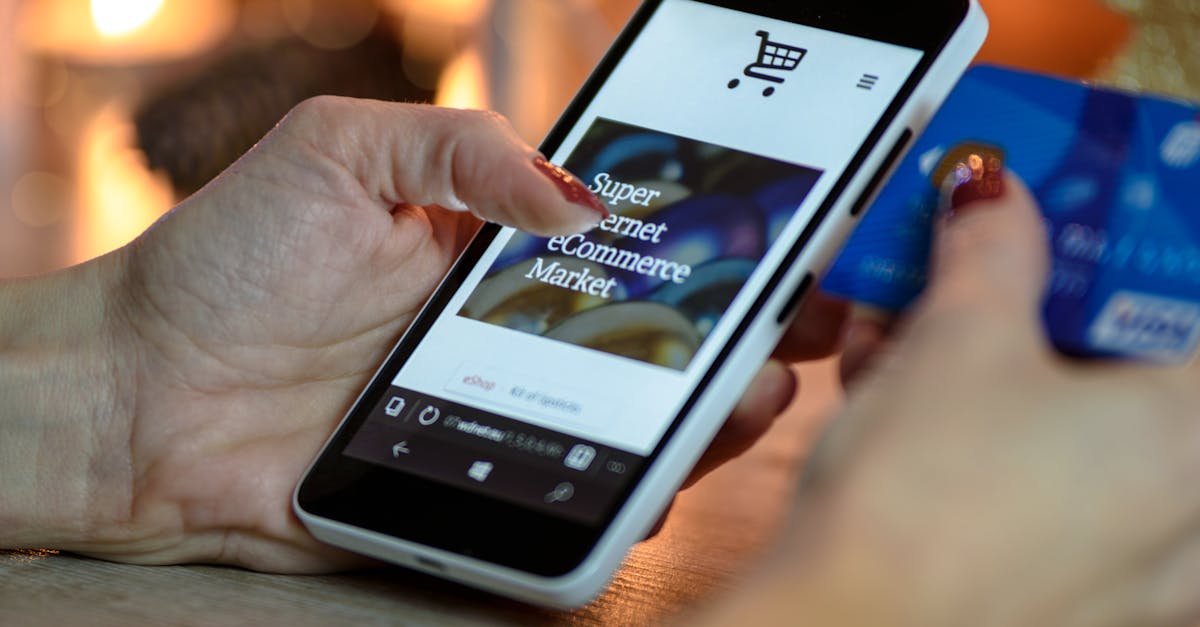
Let me tell you something that might shock you: the health e-commerce market is projected to hit over $600 billion by 2027, and most entrepreneurs are still selling the same boring supplements and workout gear.
I've been watching this space for years, and here's what most people miss — the real e-commerce opportunities in health aren't about selling more protein powder or yoga mats. They're about solving specific, painful problems that people are desperate to fix but can't find solutions for online.
Let's be honest: the days of starting a generic "health store" and hoping for sales are over. But the days of niche, targeted, and emotionally resonant health e-commerce? They're just getting started.
I'm Nazia Afridi, and I've seen firsthand how the right health product, paired with the right story, can create a business that not only makes money but changes lives. Today, I'm going to walk you through exactly where the gold is hiding in health e-commerce — and how you can stake your claim.

The Silent Epidemic Nobody's Talking About (But Everyone's Buying For)
Here's the first thing you need to understand: *the biggest health e-commerce opportunities aren't in what's popular — they're in what's embarrassing.
Think about it. When was the last time you saw a Facebook ad for hemorrhoid cream that went viral? Or a TikTok about chronic bad breath? Never, right? But people are desperately searching for these solutions in the privacy of their own homes, at 2 AM, with their credit cards ready.
I've found that the health categories with the least competition often have the highest customer lifetime value. Why? Because people who suffer from sensitive, stigmatized, or embarrassing health issues will pay a premium for discretion, effectiveness, and understanding.
Here are three "silent epidemic" niches I'm watching right now:
- Gut health for specific conditions — Not just "probiotics," but targeted solutions for IBS, SIBO, leaky gut, or histamine intolerance. The research is exploding, but the consumer education is still in its infancy.
- Sleep optimization for shift workers — Nurses, truck drivers, factory workers, and new parents have completely different sleep needs than the average person. Yet most sleep products are marketed to "busy professionals."
- Oral health beyond toothpaste — Oil pulling kits, tongue scrapers, enamel repair serums, and natural mouth tape. This category is fragmented and ripe for a brand that owns a specific sub-niche.
The 3-Part Framework I Use to Spot Winning Health Products
After analyzing dozens of successful health e-commerce brands, I've noticed a pattern. The winners all follow what I call the "Pain-Price-Passion" framework.
Pain: Is the problem
visceral? Does it make people feel anxious, embarrassed, or scared? The more emotional the pain, the easier the sale. Products for chronic pain, hair loss, acne, or insomnia sell themselves because the customer is already in the problem.Price: Can you charge $30 or more? Health e-commerce has thin margins if you're selling $9.99 items. The sweet spot is $30-$100 per unit where shipping, returns, and customer acquisition costs still make sense. Bonus points if you can create a subscription model — health products are perfect for recurring revenue.
Passion: Is there a community around this problem? Think about it: there are Facebook groups, Reddit threads, and YouTube channels dedicated to keto diets, vegan skincare, and mold toxicity. If a passionate community already exists, you don't need to build awareness — you just need to show up with a solution.
Let me give you a real example. I recently watched a friend launch a mold remediation supplement — yes, a product for people dealing with toxic mold exposure. Sounds niche, right? But the Facebook groups for "mold illness" have hundreds of thousands of members who are desperate, scared, and willing to try
anything. She hit $50K in revenue in her first three months. Why? Because she understood the pain, priced it right, and tapped into a passionate community.Why "Health" Doesn't Mean What You Think It Means Anymore
Here's where most entrepreneurs get stuck: they think "health" means medicine, doctors, or clinical studies. But the health e-commerce opportunities I'm most excited about are in preventive, lifestyle, and holistic wellness.
Let me break this down:
The old health e-commerce: Pills, powders, patches, and potions. The new health e-commerce: Devices, diagnostics, digital courses, and personalized kits.
I've found that the fastest-growing health categories on Shopify and Amazon right now are
not supplements. They're:- Home diagnostic tests (hormone levels, gut microbiome, food sensitivities)
- Wearable health tech (not just Fitbits, but specific devices for posture, stress, or blood sugar)
- Specialized bedding and clothing (weighted blankets, copper-infused socks, posture-correcting bras)
- Mental health tools (journaling kits, meditation devices, mood-tracking supplements)
And here's the kicker: the margins on these products are often better than supplements. A $150 home test kit costs $20 to produce and ship. A $40 bottle of vitamins costs $12 to make. Do the math.

The Hidden Goldmine: Health for "Invisible" Demographics
I'm going to share something I rarely talk about publicly. The biggest mistake I see health e-commerce founders make is marketing to the wrong person.
Everyone wants to sell to "health-conscious millennials" or "fitness-focused Gen Z." But the real money is in demographics that e-commerce has traditionally ignored:
The 50+ crowd. These people have money, time, and
real health problems. Joint pain, vision issues, memory decline, and sleep disruption. They're also more loyal to brands that understand them. But most health e-commerce is designed by 25-year-olds for 25-year-olds. Big mistake.New mothers. The postpartum health market is
massive and underserved. Products for pelvic floor recovery, hormonal balance, breastfeeding support, and mental health. These women are online, searching desperately, and willing to spend.People with autoimmune conditions. This is a growing demographic (over 50 million Americans alone) with very specific needs. They can't tolerate standard ingredients, they need detailed labeling, and they're incredibly loyal to brands that "get" them.
Here's what most people miss: these demographics don't just buy once — they subscribe. A 55-year-old with arthritis who finds a supplement that actually works will buy it every month for years. A new mom who discovers a pelvic floor device that helps her feel normal again will tell every friend she has.
How to Actually Launch (Without Wasting Money on Ads)
Okay, so you've found your niche. You've validated the pain. You've got a product. Now what?
Let me save you from the biggest mistake I see: don't start with Facebook ads.
Here's the truth: health e-commerce has some of the highest customer acquisition costs online. Why? Because health is personal. People don't trust random ads for their digestion, sleep, or skin. They need social proof, education, and relationship-building before they buy.
So how do you launch without bleeding money?
Step 1: Build in a community first. Before you even have a product, start contributing to the Reddit threads, Facebook groups, and YouTube comments where your customers already hang out. Answer questions. Share insights. Build trust. Then, when you launch, you're not a stranger — you're the expert who finally created a solution.
Step 2: Create a "lead magnet" that's actually useful. Not a discount code. A free guide, a quiz, a checklist, or a 5-day challenge. For my gut health client, we created a "Low-FODMAP Starter Kit" PDF that got 10,000 downloads before we even had a product to sell. By the time we launched, we had an email list of
warm, ready-to-buy customers.Step 3: Use influencers, but strategically. Don't go for the big names. Find micro-influencers (5K-50K followers) who have
deeply engaged audiences in your niche. A chiropractor with 10K followers who posts about spinal health every day will sell more posture products than a celebrity with 1 million random followers.Step 4: Perfect your offer. Your product page isn't just a description — it's a sales letter. Answer every objection. Show before-and-after photos. Include video testimonials. Offer a money-back guarantee (for health products, this is non-negotiable). Make the buying decision feel
safe.The Future Is Personalized — And You Can Start Today
Let me leave you with one final thought: the future of health e-commerce is personalized.
Generic solutions are becoming obsolete. People want products that are
for them — their specific body, their specific genes, their specific lifestyle.This doesn't mean you need to be a biotech company. It can be as simple as:
- A subscription box tailored to different health goals (energy, sleep, stress)
- A quiz that recommends the right product based on symptoms
- A community that feels like a support group, not a sales funnel
So here's my challenge to you: stop looking at what everyone else is selling. Start looking at what people are
suffering from* in silence. Start looking at the communities that are hungry for solutions. Start looking at the demographics that e-commerce has overlooked.The health e-commerce opportunities are everywhere — but they're hiding in plain sight. You just have to know where to look.
Now go build something that matters.