
You know that feeling when you're sitting in a classroom, watching the teacher struggle to connect a dusty laptop to a projector that hasn't worked since 2015, and you just know there has to be a better way? I felt that exact pang of frustration last year while visiting a school in Volta Region. The students were bright, eager, and full of potential. But the tools? They were stuck in a time warp.
Here’s the thing: Digital transformation in Volta isn't just a buzzword. It's not a shiny corporate promise. It's a survival mechanism for the next generation. And if you think it’s just about buying tablets and calling it a day, you’re missing the real story.
Let’s talk about what’s actually happening on the ground — not the fluff, not the press releases, but the raw, messy, beautiful reality of turning a region's education system inside out.
The Hard Truth: We're Not Short on Potential, We're Short on Infrastructure
Let’s be honest for a second. When I first started digging into this topic, I assumed the biggest problem was a lack of devices. “Just give them laptops,” I thought. But after talking to teachers in Ho, Keta, and even remote villages, I realized something shocking.
The real bottleneck is connectivity and electricity.
You can have the world’s best online learning platform, but if the nearest internet tower is 20 kilometers away and the power cuts out twice a day, that platform is just a pretty icon on a dead screen. I’ve seen classrooms with brand-new smartboards gathering dust because no one could figure out how to keep them charged.
Here’s what most people miss: Digital transformation is 20% technology and 80% logistics. You have to solve the basics first — reliable power, affordable data, and hardware that doesn’t break after one rainy season.
But here’s the kicker: Some communities in Volta are getting creative. I spoke to a headteacher who partnered with a local solar company to power a computer lab. Solar panels + a satellite dish = a classroom that never sleeps. That’s the kind of boots-on-the-ground innovation that makes me believe we’re closer than we think.
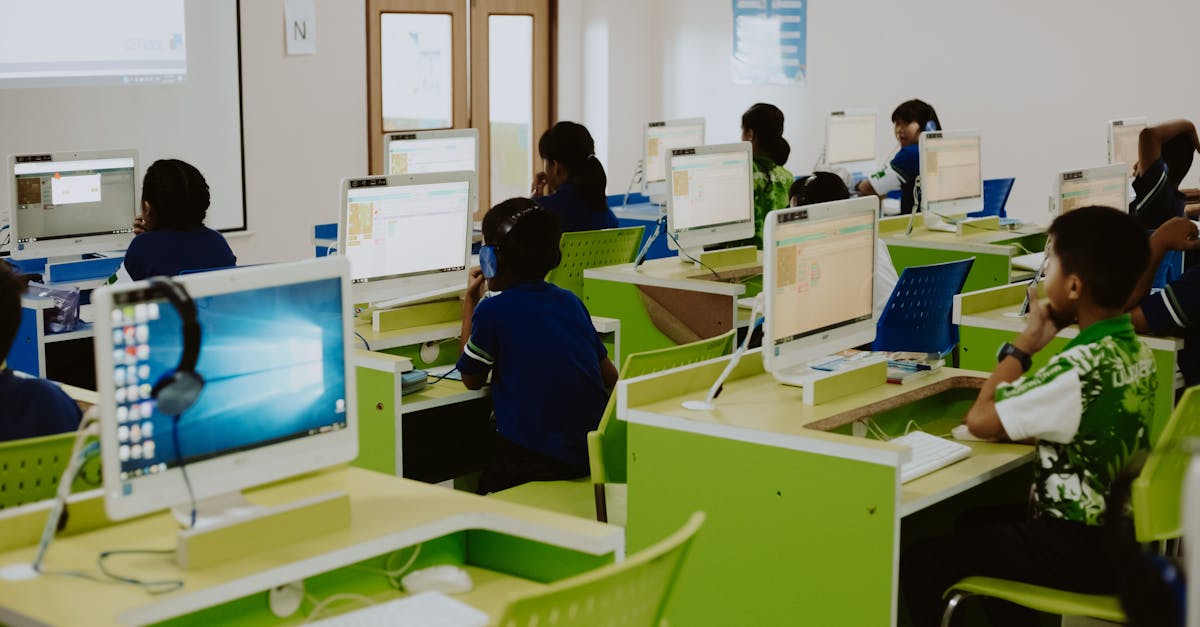
The 3 Hidden Secrets of Successful Digital Classrooms in Volta
I’ve spent months talking to educators, tech startups, and students across the region. And I’ve distilled their experiences into three non-negotiable pillars that actually work. Forget the corporate slide decks — this is the real deal.
1. Local Content is King (and Queen)
You cannot drop a generic American curriculum app into a Ghanaian classroom and expect magic. It won’t stick. The students need stories, examples, and languages they recognize. I’ve seen a platform called “EduVolta” that translates math problems into Ewe and Twi. The engagement skyrocketed. When a kid sees a problem about “selling mangoes at the market” instead of “buying apples at a grocery store,” something clicks.2. Teachers Must Become Tech Coaches, Not Just Operators
This is the part that makes me want to scream. So many programs dump tablets on teachers with zero training. They assume a 50-year-old teacher who’s been using chalk for 25 years will magically become a coding wizard. Nope. The successful schools in Volta run monthly “tech clinics” where teachers learn one new tool at a time — and they get paid for their time. Treat teachers like professionals, and they’ll move mountains.3. Community Ownership Beats Top-Down Mandates
The best digital transformation I’ve seen happened in a village where the chief personally donated land for a community Wi-Fi hub. When the community feels ownership, the project survives. When it’s just a government program parachuted in from Accra? It usually dies within two years.
Why “EdTech” Alone Won’t Save Us (And What Will)
Here’s a controversial opinion: I’m tired of the term “EdTech.” It sounds like a product you’d buy on Amazon. Digital transformation is about a mindset shift, not a tech stack.
In Volta, I’ve seen schools that are “low-tech” but highly effective. They use WhatsApp groups for homework help. They record audio lessons on smartphones for kids without internet. They project YouTube tutorials onto whitewashed walls.
The secret? It’s not the tool. It’s the will.
I remember a teacher named Grace in a small town near Akatsi. She had no computer lab. She had no projector. But she had a smartphone and a passion for science. She recorded herself explaining photosynthesis, uploaded it to a free cloud service, and shared the link via SMS. Her students’ test scores went up 40% in six months.
That’s digital transformation. It’s not fancy. It’s functional.
The Economic Ripple: How Digital Skills Are Reshaping Volta’s Future
This is where things get exciting. Digital transformation in education isn’t just about grades — it’s about livelihoods.
I’ve watched students who learned basic coding in a Volta classroom go on to work as freelance web developers for clients in Europe. I’ve seen young women who took online digital marketing courses start small businesses selling handmade beads and textiles online.
Here’s the data that keeps me up at night: According to a 2023 report from the Ghana Statistical Service, youth unemployment in the Volta Region hovers around 18%. But digitally literate youth have a significantly lower unemployment rate — closer to 8%.
The math is simple: Every tablet, every hour of internet access, every digital skill learned is a direct investment in pulling a community out of poverty.
But we have to scale this. And scaling means government and private sector need to get their act together. I’m talking about subsidized data plans for students, tax breaks for companies that donate hardware, and teacher training that’s actually mandatory, not optional.

5 Actionable Steps You Can Take Right Now (Even If You’re Not a Tech Billionaire)
Feeling inspired but overwhelmed? I get it. Big problems require big solutions, but small actions create momentum. Here’s what you can do, whether you’re a parent, a teacher, or just someone who cares:
- Donate your old smartphone or laptop. Don’t throw it in a drawer. Wipe it, load it with educational apps, and send it to a school in Volta. Organizations like “One Laptop Per Child Ghana” will handle logistics.
- Sponsor a teacher’s training. A small donation can fund a weekend workshop for a rural teacher. I’ve seen $50 change a teacher’s entire approach.
- Advocate for local content. If you’re a developer, build apps in local languages. If you’re a writer, create e-books with Ghanaian characters and settings.
- Push for infrastructure. Write to your local MP. Ask them: “What’s the plan for internet access in Volta’s schools?”
- Start a community tech club. Even if it’s just 10 kids meeting under a tree with a laptop and a hotspot, it’s a start. Momentum breeds momentum.
The Uncomfortable Truth About Waiting for Government
I’m going to say something that might ruffle feathers. We can’t wait for the government to fix everything. Yes, policy matters. Yes, funding is critical. But if we wait for a perfect top-down solution, we’ll be waiting until the next decade.
The most inspiring stories I’ve collected for this article are from individuals. A retired teacher who turned her living room into a computer lab. A pastor who installed Wi-Fi in his church and opened it to students after service. A university student who started a free coding camp for high schoolers.
That’s the Volta spirit. It’s resilient, resourceful, and refuses to be left behind.
Your Move
So here we are. Digital transformation in Volta isn’t a pipe dream. It’s happening in fits and starts, in classrooms and community centers, in WhatsApp groups and solar-powered labs. But it needs fuel.
It needs you to stop reading and start acting.
Ask yourself: What’s one thing I can do this week to help a student in Volta access a digital future? Maybe it’s a donation. Maybe it’s a conversation. Maybe it’s sharing this article with someone who has the power to do more.
The students are ready. The tools exist. The only missing piece is us.
Let’s not leave them behind.