
I remember sitting in a cramped café in Ho, Ghana, watching a young woman sell orhshee (a local snack) through Instagram Stories. She wasn't just selling food. She was live-streaming her entire process—frying, packaging, even negotiating with a delivery rider on WhatsApp. No storefront. No signboard. Just a smartphone, a data plan, and a relentless hustle.
That was two years ago. Today? That same woman runs a digital logistics platform connecting 50 local food vendors to customers across the Volta Region. She never touched a line of code. She just saw what was missing.
Here's the truth most people miss: Ho isn't waiting for the digital economy to arrive. It's already building its own version—messy, mobile-first, and fiercely local.
Let's dive into what's actually happening on the ground, because the story of Ho's digital economy is nothing like the slick narratives from Accra or Nairobi.
The "Accra Model" Doesn't Work Here—And That's a Good Thing
Everyone loves to talk about "Silicon Savannah" or "Africa's tech hubs." But let's be honest—most of those conversations revolve around venture capital, co-working spaces, and founders wearing hoodies. Ho doesn't have that. And honestly? It doesn't need it.
What Ho has is something far more resilient: a community-driven, low-infrastructure digital ecosystem that runs on WhatsApp, MTN MoMo, and sheer creativity.
I spoke to a local tailor named Kofi who shifted his entire business online during the pandemic. He doesn't have a website. He doesn't use Shopify. He posts fabric swatches on WhatsApp status, takes orders via voice notes, and gets paid through mobile money. His "platform" is his phone's contact list—and he's making more than he ever did renting a shop in the central market.
Here's what I've found works in Ho's digital economy:
- Mobile money is the backbone — Not credit cards, not PayPal. MoMo is the default transaction layer.
- Social commerce dominates — Facebook Marketplace, Instagram DMs, and WhatsApp groups are the storefronts.
- Trust is earned through video — People want to see the product, the person, and the process. Live videos convert better than polished ads.
- Logistics is the real opportunity — Last-mile delivery is fragmented. Anyone who solves it locally wins.
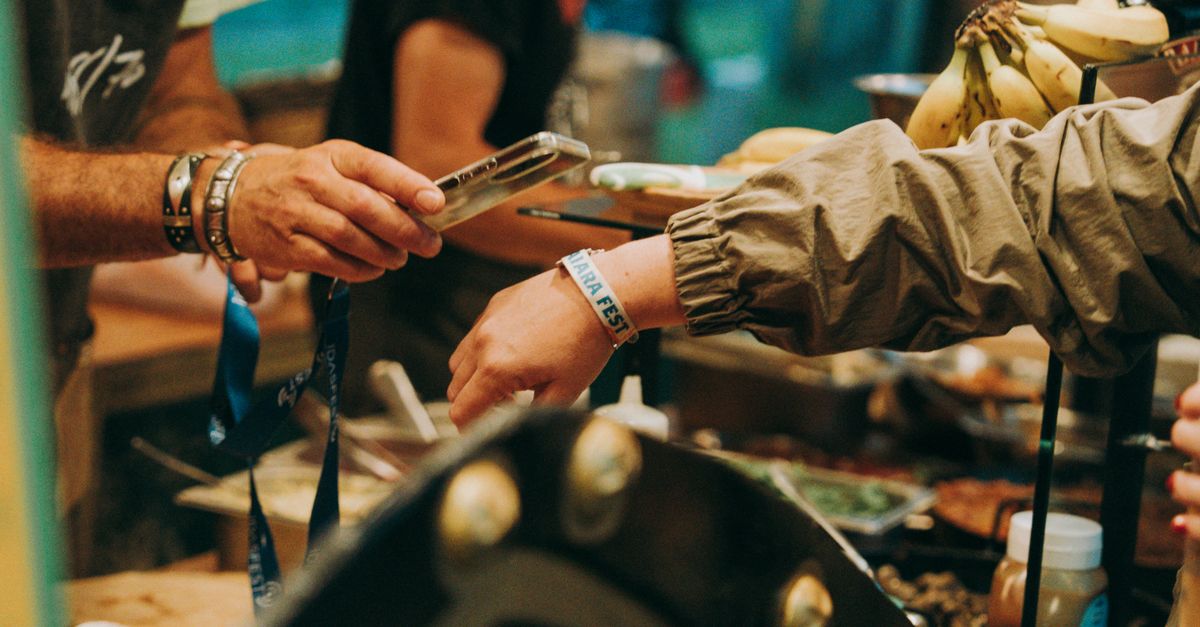
The "Accra model" assumes you need a startup incubator, a pitch deck, and Series A funding. Ho's model assumes you need a reliable phone battery, a good SIM card, and a neighbor who can deliver on a bicycle.
The 3 Hidden Infrastructure Gaps Everyone Ignores
I've spent months talking to small business owners, students, and gig workers across Ho. And I've noticed three things that nobody writing about "digital transformation" ever mentions.
1. Electricity Isn't Reliable—And That Changes Everything
Let's face it: you can't run a digital economy if your phone dies at 3 PM. Power outages in Ho aren't occasional—they're a weekly reality. I've watched traders scramble to find charging stations before their inventory posts disappear.
The workaround? Portable power banks have become an unofficial currency. Some entrepreneurs now offer "charging-as-a-service" at their shops. It sounds primitive, but it's actually a distributed energy grid—just not the kind Silicon Valley talks about.
2. Data Costs Are a Silent Tax on Growth
Ghana has some of the cheapest data in West Africa, but "cheap" is relative. For a student or a small trader, 10GB a month might cost 15-20% of their income. This forces people to be hyper-selective about what they do online.
What does that mean in practice? Video content is consumed in short bursts. High-resolution images are skipped. People optimize for text and voice notes instead. Any digital service that ignores this reality will fail in Ho.
3. Digital Literacy Is About Trust, Not Tech Skills
Most people here can open TikTok and send a MoMo payment. But ask them to create a Google Business Profile or set up a simple email funnel? Blank stares. It's not that they're incapable—it's that no one has shown them why it matters.
I've found that the most effective digital training in Ho happens informally: a neighbor teaches another neighbor how to use Instagram shopping tags over a shared bowl of fufu. It's peer-to-peer, low-pressure, and immediately practical.

Why Local Solutions Beat Global Platforms (Every Single Time)
Here's a controversial take: Uber, Airbnb, and Amazon will never dominate Ho. Not because the infrastructure isn't there—but because the market is fundamentally different.
Let me give you an example. A friend of mine tried to use a global ride-hailing app in Ho. The driver called him 20 minutes before arrival to confirm the pickup location. Except he didn't use the app's chat feature. He called via regular phone. Then he asked for directions in Ewe. Then he said, "Just meet me at the junction near the big mango tree."
The app's algorithm couldn't handle "the big mango tree." But every local knew exactly where that was.
What works in Ho are platforms built around local realities:
- Delivery services that accept voice orders and cash on delivery
- Marketplaces that group vendors by neighborhood, not category
- Payment systems that work with MoMo first, bank cards second
- Content platforms that support local languages like Ewe and Twi
The Secret Ingredient: Youth Who Are Building, Not Waiting
If you walk through Ho's Polytechnic campus, you'll notice something: students aren't just studying. They're running side hustles.
- A computer science student builds websites for local shops for 200 cedis a pop.
- A fashion design student sells custom clothes through Instagram, using MoMo for deposits.
- A group of engineering students created a simple app for booking shared taxis (trotro) because the existing system was chaotic.
What most people miss is that this generation isn't waiting for the government or foreign investors to build infrastructure. They're building their own workarounds. That's not naivety—it's survival.

What Ho's Digital Economy Teaches the Rest of the World
Let's zoom out for a second. Ho isn't unique. Similar dynamics play out in Kumasi, Tamale, and across secondary cities in Africa and Asia. But Ho is a perfect case study for one reason: it's small enough to see clearly, but big enough to matter.
Here are the lessons I think the global tech community should steal from Ho:
- Forget user acquisition. Focus on user trust. People here don't download apps because they're new. They download them because someone they trust recommended it.
- Voice is the new text. WhatsApp voice notes, voice search, and audio content are easier than typing. Build for audio-first.
- Simplify the onboarding. If it takes more than 30 seconds to sign up, you've lost them. Use phone numbers, not emails. No password requirements. No captcha.
- Localize everything—including payment. MoMo isn't a feature. It's the foundation.
- Embrace the "jugaad" mindset. (That's Hindi for frugal innovation.) The best solutions in Ho are low-tech, high-impact, and cheap.
The Bottom Line: Don't Write Off Secondary Cities
Here's my final thought, and I mean this sincerely: the future of Africa's digital economy won't be decided in capitals. It will be decided in places like Ho.
Why? Because that's where the majority of people live. That's where the real economic activity happens—in markets, farms, and small workshops. And that's where innovation is being forced by necessity, not funded by hype.
The entrepreneur selling orhshee on Instagram? She's not waiting for 5G. She's not waiting for a Silicon Valley mentor. She's figuring it out with what she has. And she's winning.
So if you're building something for the digital economy, ask yourself this: Does your solution work for someone in Ho? If not, you might be building for an audience that doesn't exist yet.
The real digital revolution isn't coming. It's already happening—one WhatsApp message, one MoMo payment, one "meet me at the mango tree" at a time.
Now go build something that works for people who don't have a mailbox, but have a phone. That's where the opportunity is.