
Let's be honest: most "community impact leaders" in faith circles are just glorified event planners. They organize bake sales, coordinate potlucks, and run the annual Christmas pageant like a military operation. That's not impact — that's maintenance. True community impact leadership isn't about keeping the pews warm. It's about burning down the walls between the church and the street.
I've seen it too many times. A pastor announces a "community outreach initiative," everyone claps, and then they spend six months arguing over which shade of beige to paint the fellowship hall. Meanwhile, the neighborhood outside is dealing with food deserts, housing instability, and kids who have no safe place to go after school. The church has a building sitting empty six days a week. That's not a community impact leader. That's a missed opportunity wearing a suit.
Here's what most people miss: faith-based community impact isn't about bringing people into the church. It's about bringing the church into the people. And that requires a specific kind of leader — one who doesn't just talk about transformation but actually makes it happen. Let's break down what that looks like.
The Uncomfortable Truth About "Faith Leaders"
I'm going to say something that might ruffle some feathers. Ready? Most faith leaders are terrible at community impact. They're great at preaching, counseling, and managing internal politics. But ask them to partner with the local school board, organize a job training program, or negotiate with city hall, and suddenly they're out of their depth.
Why? Because seminary doesn't teach you how to run a food distribution network. It doesn't teach you how to get a building permit, apply for grants, or build coalitions with secular organizations. Let's be real — many faith leaders operate from a place of charity rather than justice. Charity is giving someone a fish. Justice is asking why they don't have a fishing pole, a pond, and a fair wage.
The best community impact leaders I've met don't fit the stereotype. One is a former social worker who became a pastor. Another is a businesswoman who runs a church's homeless shelter like a startup — with metrics, accountability, and a five-year plan. They understand that faith without works is dead, but works without strategy is just busywork.

The 3 Things That Separate Impact Leaders From Wannabes
I've studied dozens of faith-based community impact leaders. The ones who actually move the needle share three specific characteristics. If you're missing even one, you're probably just spinning your wheels.
1. They listen before they act This is the biggest sin of well-meaning faith leaders. They show up in a struggling neighborhood with pre-packaged solutions. "We're going to start a food bank!" Meanwhile, the community already has two food banks. What they actually need is a homework club for kids and a job placement service for parents. But nobody asked.
Real impact leaders spend months just walking the neighborhood, having coffee with residents, and asking questions. They understand that the people who live there are the experts on their own problems. The leader's job is to facilitate, not dictate.
2. They build bridges, not silos The most effective faith-based community impact leaders don't try to do everything themselves. They partner with schools, local businesses, nonprofits, and even government agencies. I once saw a church leader negotiate a deal with a grocery chain to donate day-old bread and produce to a community kitchen. That's not charity — that's systems thinking.
Here's a secret: secular organizations often respect faith leaders who show up with competence and humility. They've been burned by religious groups who want to proselytize instead of serve. If you can prove you're there for the community — not for converts — doors open.
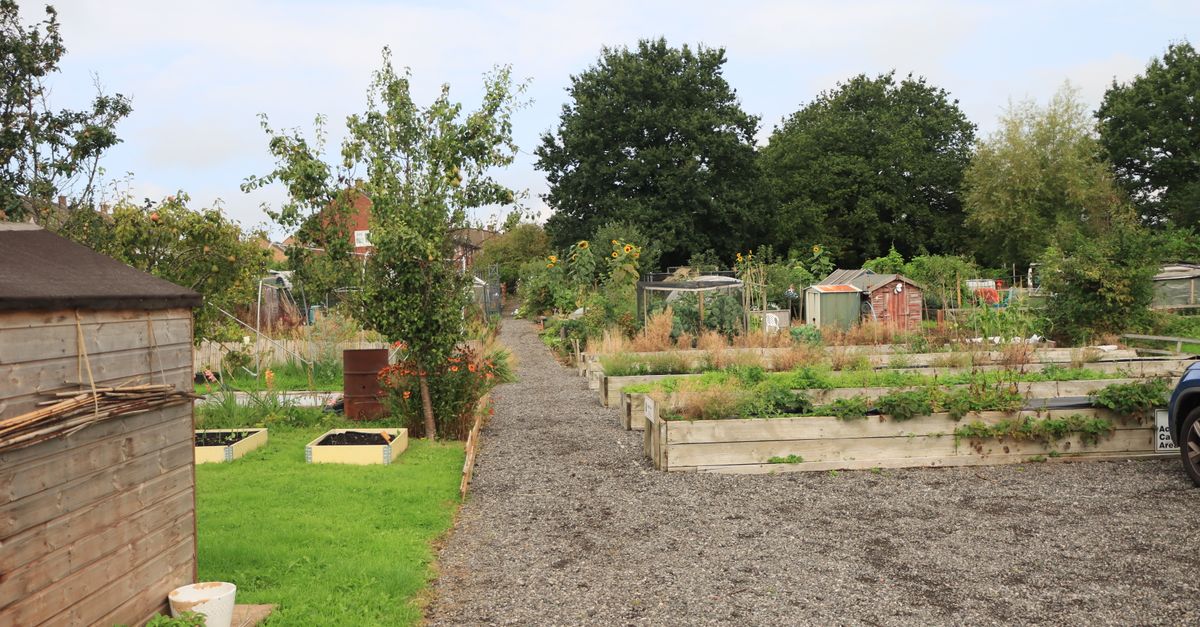
3. They create systems, not events A Thanksgiving turkey giveaway feeds people for one day. A community garden feeds people for a season. A food co-op with a cooking class program? That changes how people eat forever. Impact leaders are obsessed with sustainability. They ask, "What happens after I'm gone?" If your project collapses when you take a vacation, it wasn't impact — it was performance.
Why Most Faith-Based Impact Programs Fail (And How to Fix It)
Let me be blunt: most faith-based impact programs fail because they're designed by committee. You get a dozen people in a room, everyone has an opinion, and you end up with a plan that pleases everyone but serves no one. The result? A lukewarm soup kitchen that opens twice a month, staffed by volunteers who are burning out.
I've found that the most successful programs start with a single, specific problem. Not "poverty." That's too big. Try "kids in our zip code don't have breakfast before school." That's a problem you can solve. You partner with a local bakery, get volunteers to pack bags, and within three months, you're feeding 200 kids. Then you scale.
Here's another hard truth: data matters. I know, I know — faith and data don't seem like a natural fit. But if you can't show that your program is actually working, you'll never get sustained funding or support. Track how many people you serve, whether their situation improves, and what the long-term outcomes are. When a skeptical board member asks, "Is this worth it?" you have numbers, not just stories.
The fix is simple but not easy: start small, prove it works, then expand. Don't try to launch a five-program megainitiative on day one. That's how you get burnout and mediocrity.
The Secret Weapon: Humility and Collaboration
Here's what I've learned after years of watching faith-based leaders try to make a difference: the best ones don't need to be the hero. They're comfortable sharing credit, stepping back, and letting others lead. That's rare in any field, but especially in faith communities where ego and titles can run wild.
I once watched a senior pastor hand over the keys to his church's building to a Muslim community group for their Friday prayers. Some of his congregation was furious. But he said, "Jesus didn't come to build a club. He came to build a kingdom." That kind of radical hospitality is what real community impact looks like. It's not about protecting your turf. It's about opening your doors so wide that the neighborhood starts to feel like home.
Collaboration also means knowing when to follow. I've seen faith leaders join secular coalitions fighting for affordable housing or better schools. They don't lead the charge — they support it. They show up, they bring volunteers, they offer space. That's impact. That's influence without ego.
How to Know If You're Actually Making a Difference
You want a simple test? Ask yourself three questions:
- Are the people we serve genuinely better off? Not just fed or clothed, but empowered to change their own situation.
- Are we building relationships, not just transactions? Do people know your name? Do you know theirs?
- Could this work continue without you? If you got hit by a bus tomorrow (God forbid), would the program survive?
Here's the thing nobody tells you: real community impact is slow, messy, and often invisible. You might work for years and never see a dramatic turnaround. But you'll see small wins. A kid who graduates high school because you started an after-school program. A family that stays housed because you connected them to legal aid. A neighborhood that feels a little safer because your church kept its lights on at night. That's the kingdom. That's the impact.

The Final Word: Stop Waiting for Permission
If you're reading this and feeling a spark — that restless energy that says "I want to do more" — here's my advice: stop waiting for a title, a budget, or a committee vote. Start where you are. Pick one problem in your neighborhood and start solving it today. Not next month. Not when the board approves. Today.
You don't need to be a pastor. You don't need a theology degree. You just need eyes that see, ears that hear, and hands that are willing to work. That's what a community impact leader really is. Someone who sees a gap and decides to bridge it. Someone who refuses to let the church become a museum of good intentions.
The world is full of people who talk about faith. What we need are people who live it out loud — in the streets, in the schools, in the broken places that everyone else ignores. That's the kind of leader I want to be. That's the kind of leader I hope you'll become.
So go ahead. Start something. Mess it up. Learn. Try again. The community is waiting. And honestly, they don't care about your title. They just want to know if you'll show up.