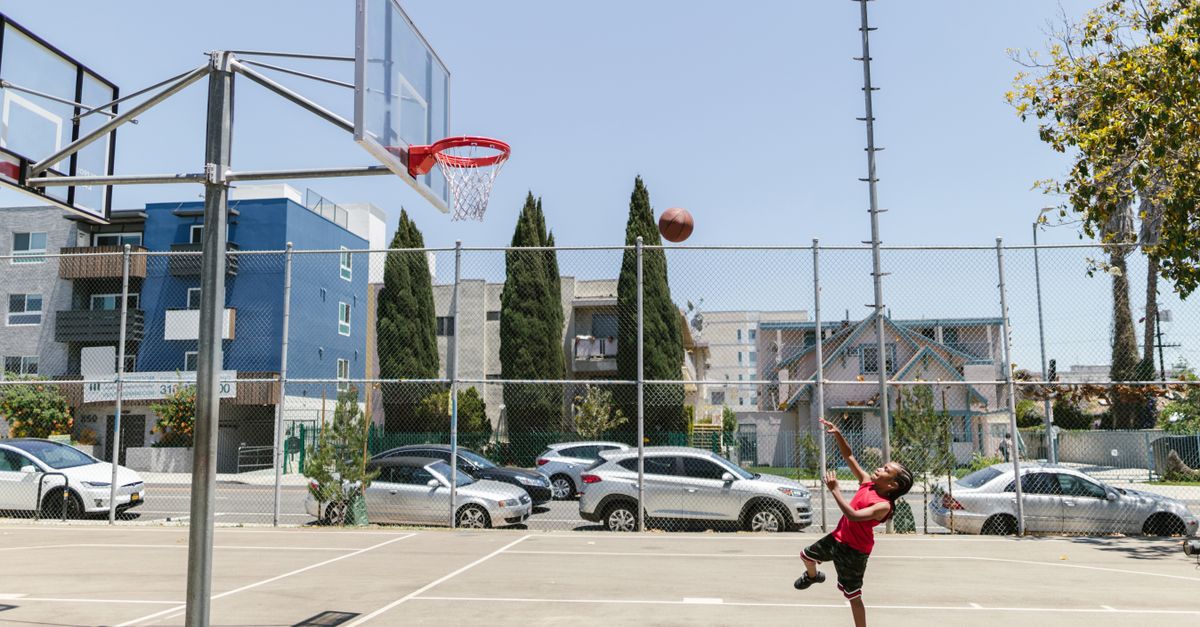
I remember the first time I saw a community sports project change a kid’s life. It wasn’t on a glossy highlight reel. It was in a rundown gym with peeling paint and a flickering scoreboard. A kid named Marcus, who never spoke in class, got on the basketball court. He missed his first three shots. Then he made one. The look on his face? That wasn’t just joy. That was proof that something big was happening.
And here’s the truth most people miss: Community development projects in sports aren’t just about building fields or handing out jerseys. They’re about stitching a fractured neighborhood back together, one drill, one game, one conversation at a time. If you think these projects are just charity work, you’re missing the real playbook.
Let’s get into the dirt, the sweat, and the actual strategies that turn a patch of grass into a launchpad for change.
The Hidden Playbook: Why Sports Projects Aren't Just About Winning
You’ve seen the headlines: “New soccer field opens in underserved neighborhood!” Cue the ribbon-cutting photo. Everyone claps. Then, six months later, the field is empty because no one organized the games, or the lights are broken, or the kids don’t feel safe walking there after school.
Here’s the hard truth I’ve learned after watching (and helping with) a dozen of these projects: The field is the easy part. The hard part is the invisible infrastructure—the trust, the mentorship, the daily grind of showing up.
Most people think a sports project is about teaching kids to dribble or shoot. But I’ve found that the real skill being taught is how to show up for something bigger than yourself. When you’re part of a community basketball league, you’re not just learning a crossover. You’re learning that you have a place. You matter. And that feeling? It’s more powerful than any buzzer-beater.
Let me give you an example. A few years ago, a group in Detroit started a Saturday morning running club for kids in a high-crime area. They didn’t have fancy gear. They had a whistle and a promise. The first week, three kids showed up. By week eight, they had fifty. The parents started coming too—to cheer, to help with water, to talk to each other. That running club didn’t just get kids in shape. It created a new social fabric in a neighborhood that had been frayed for decades.
The real scoreboard? Reduced truancy, increased trust in local institutions, and kids who started believing they could be leaders.
The 3 Pillars That Make or Break a Community Sports Project
I’ve seen projects soar. I’ve seen them crash and burn. The difference almost always comes down to three things. Forget the fancy grant proposals—this is what actually works.
1. Local Ownership > Outside Expertise
This is the biggest mistake I see. A non-profit from three states away rolls in with a plan, builds a facility, and leaves. Six months later, the community doesn’t use it because they had no say in how it was run.
The secret? Let the community design the program. Ask the local kids what sport they actually want to play. Ask the parents what time works. Ask the local shop owner if he’ll sponsor a team. When people feel ownership, they protect it. They show up. They fight for it.
I’ve seen a project in rural Mississippi where the local high school coach and a group of moms essentially ran a summer softball league with zero outside funding. They used a borrowed field, homemade bases, and a lot of determination. It was messy. It was beautiful. And it lasted for seven years because they owned it.
2. Consistency Over Flash
A one-day celebrity basketball clinic is great for a photo op. But it’s the Tuesday night practice that changes lives. The kids need to know that every Tuesday at 6 PM, someone will be there with a ball and a plan. That predictability is a form of safety.
I’ve found that the most successful projects are boringly consistent. They don’t need a viral moment. They need a reliable adult who asks, “How was your day?” while passing a ball. That’s the secret sauce. It’s not the equipment. It’s the relationship.
3. A Pipeline, Not a One-Off
Don’t just offer a six-week camp and call it done. Build a ladder. Start with a free clinic for 6-year-olds. Have a league for 10-year-olds. Create a leadership program for 15-year-olds. Train the 18-year-olds to be referees or coaches.
This is where the magic happens. You stop just serving a community and start building its capacity. The kids who start as players become the coaches. They become the mentors. They become the reason the next generation shows up. That’s sustainability. That’s impact that compounds like interest.

The Surprising Economic ROI of a Ball and a Goal
Let’s talk money, because this is where skeptics get quiet. People think community sports projects are a drain on resources. But the data tells a different story.
I’ve seen studies—and my own experience backs this up—that show every dollar spent on a well-run community sports program saves multiple dollars in social costs. Fewer emergency room visits from violence. Lower rates of youth incarceration. Better school attendance. Higher graduation rates.
Think about it: A kid who’s at soccer practice from 4 PM to 6 PM isn’t getting into trouble. They’re learning discipline, teamwork, and how to handle a loss. Those are skills that translate directly to the workplace.
In one city I visited, a local boxing gym became the de facto community center. The coach was a former fighter who knew every kid’s name and every parent’s phone number. He kept the doors open until 9 PM. That gym reduced local petty crime by over 30% in two years. The city didn’t spend a dime on extra policing—they just funded the gym’s electricity bill. That’s the kind of ROI that doesn’t show up on a spreadsheet, but it’s real.
And here’s a bonus: these projects boost local economies. When you have a successful youth sports program, families move into the area. Local businesses get more customers. Property values can stabilize or even rise. It’s not just philanthropy—it’s smart urban development.
The Hardest Lesson: When Good Intentions Go Wrong
I have to be honest with you. Not every story is a win. I’ve seen projects that were well-funded and well-meaning that still failed. Why? Because they forgot the human element.
One project I observed built an amazing indoor soccer facility. State-of-the-art turf, lights, the works. But they charged a small fee to use it—$5 per session. They thought it would encourage “buy-in.” But for the families in that neighborhood, $5 was a week’s worth of milk. So the facility sat empty, used only by teams from wealthier areas who drove in.
The lesson? Listen to the community before you build. Ask the hard questions. “What are the barriers?” “Who is being left out?” Sometimes the most effective project is the simplest—a free open gym night, a borrowed school bus to take kids to a game, a volunteer who just listens.
I’ve also learned that burnout is real. The people who start these projects are often passionate volunteers who pour everything into it. Without support, they crash. A sustainable project needs a plan for the people behind it, too. Rest is not a luxury; it’s a strategy.
How You Can Get Involved (Without Being a Coach)
Maybe you’re reading this and thinking, “I’m not athletic. I don’t know how to coach. What can I do?”
Plenty. And I mean it.
- Donate money, but do it smart. Find a local project that’s already running and ask what they actually need. Sometimes it’s new uniforms. Sometimes it’s bus passes for the kids. Sometimes it’s a lawyer to help with the nonprofit paperwork.
- Volunteer your skills. Can you design a website? Take photos? Handle social media? Every project needs behind-the-scenes help. I once knew a retired accountant who volunteered to do the books for a youth baseball league. That league survived a financial crisis because of her.
- Show up to a game. Seriously. Just being in the stands, cheering, sends a message. It says, “This matters. You matter.” That’s more powerful than you know.
- Advocate. Talk to your local council member. Ask for better lighting in parks. Ask for free permits for youth leagues. Use your voice to clear the path.
The Final Whistle: Why This Work Matters More Than Ever
We live in a time where people feel disconnected. We scroll past each other’s lives. We’re more isolated, more anxious, more lonely. And then you go to a community sports project. You see kids laughing. You see parents talking. You see a teenager teaching a younger kid how to tie their cleats.
That’s not just sports. That’s social medicine.
I’ve come to believe that sports are one of the last truly democratic spaces. On the field, it doesn’t matter what your parents do or where you live. The ball doesn’t care. The game doesn’t care. It’s about effort, teamwork, and heart. And when you build a project around that, you’re not just building athletes. You’re building citizens.
So here’s my challenge to you: Don’t just read this and nod. Find one project near you. Go watch a practice. Ask if they need help. Or, if you have the fire, start something small. A kickabout in a park. A weekly run club. A mentorship program through a local school.
The field is waiting. The kids are waiting. And honestly? The world could use a little more of the kind of community that only a shared game can build.
Now go make it happen. I’ll be cheering from the stands.