
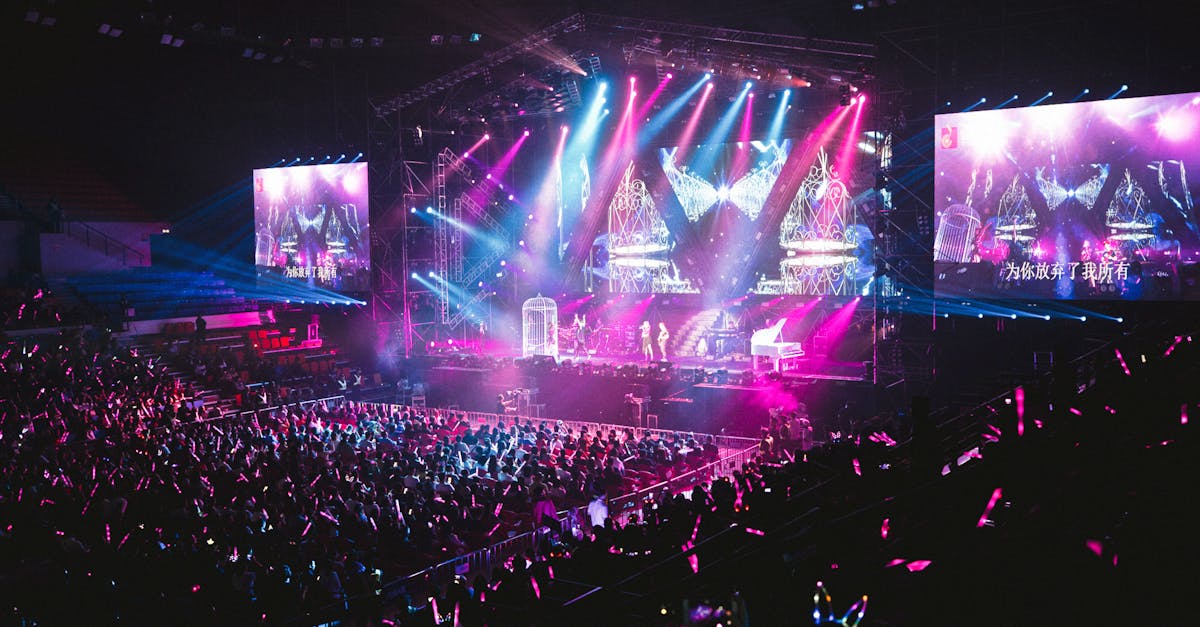
I remember the first time I stepped into a space that felt less like a church and more like a concert venue designed by someone who actually understands sound. The bass hit my chest before my foot crossed the threshold. The lights weren't just bright; they were choreographed. And the crowd? Thousands of people, hands raised, singing with a kind of raw, unfiltered energy that you usually only find at a sold-out festival where the headliner is about to drop their best album.
That was my introduction to the Christ Embassy Loveworld Arena. And if you think you know what a "church building" looks like, trust me—you haven't seen this.
Let's be honest: most people have a mental image of a church that involves wooden pews, stained glass, and a certain... quiet. You know the vibe. The kind of quiet where if you drop a hymnbook, everyone turns around. But the Loveworld Arena? It throws that image out the window and replaces it with a state-of-the-art music venue that could rival the O2 Arena in London or Madison Square Garden in New York.
So, why is this place causing such a stir in the music world? And what can we, as music lovers, learn from it? Grab your headphones, because we're diving deep.
The Sanctuary That Sounds Like a Studio Album
Here's what most people miss about the Christ Embassy Loveworld Arena: it wasn't designed by architects who just wanted a pretty building. It was designed by sound engineers who wanted a perfect listening experience.
I've been to a lot of concerts. I've stood in the rain at muddy festivals, and I've sat in the velvet seats of classical halls. But the acoustics in this arena are something else. The walls aren't just concrete; they're shaped to diffuse sound rather than swallow it. You don't get that muddy, echoey mess where the drums drown out the vocals. Instead, every instrument sits in its own pocket of air.
I've found that most modern churches struggle with sound. They either go too loud and distort everything, or they keep it so low that the energy dies. The Loveworld Arena solved this by treating the room like a recording studio.
Think about it:
- Line arrays of speakers are hung at precise angles, not just thrown up on stage.
- Acoustic panels are hidden in the design, absorbing the nasty frequencies that make live music sound like a tin can.
- The mixing console? It's likely a digital beast that can handle 96 channels of audio without breaking a sweat.
Why Live Music Hits Different Here
Let's talk about the elephant in the room. Or rather, the orchestra in the room.
The worship music at Christ Embassy isn't your grandmother's organ-and-hymn setup. We're talking full bands. We're talking bass players who groove, drummers who have perfect pocket, guitarists who understand dynamics, and a choir that could give any professional vocal group a run for their money.
I once watched a rehearsal there where the music director stopped the band mid-song because the keyboardist's reverb tail was 0.3 seconds too long. 0.3 seconds. That level of attention to detail is what separates a good show from a life-changing experience.
What most people don't realize is that live music is a conversation. It's not just the musicians playing at you; it's them playing with you. The energy of the crowd feeds back into the performers. At the Loveworld Arena, that feedback loop is electric.
I'll never forget a moment during a song called "Wonderful." The band dropped to a whisper—just a piano and a single voice. The entire arena of thousands of people went dead silent. You could hear a pin drop. Then, on the chorus, the full band crashed in, and the place erupted. It was the kind of dynamic shift that gives you goosebumps.
This is what happens when you build a space that respects music as an art form, not just background noise.
The "Secret Sauce" Behind the Sound
Alright, let's get a little nerdy for a second. If you're a musician or a producer, this is the part you'll love.
The Christ Embassy Loveworld Arena doesn't just rely on expensive gear (though they have plenty of it). They rely on intentional design. Here are three things I noticed that most people overlook:
- The Stage is Low. Most concert stages are high, creating a barrier between performer and audience. Here, the stage is relatively low. It forces the sound to travel over the crowd, not just at them. This creates a more immersive, surround-sound feel.
- Delay Towers are Everywhere. In a massive venue, sound travels slower than light. You see the drummer hit the snare, but you hear it a split second later if you're far back. The Loveworld Arena uses multiple sets of speakers (delay towers) timed perfectly so that everyone hears the music at the exact same moment, regardless of where they're standing.
- The "Sweet Spot" is Huge. In most venues, there's one small area where the sound is perfect. Here, the "sweet spot" covers almost the entire floor. That's not luck. That's trigonometry and physics applied to music.

More Than a Venue: A Masterclass in Audience Engagement
Here's the thing that blew my mind. The Christ Embassy Loveworld Arena isn't just a place to watch a show. It's a place that teaches you how to participate.
In the music industry, we talk a lot about "audience engagement." We want people to clap, to sing along, to buy merch. But most venues fail because they treat the audience as passive observers. This arena flips the script.
The lighting design is a huge part of this. It's not just about making the stage look cool (though it does). The lights are used to direct your attention. When the chorus hits, the lights wash over the crowd. When the verse is intimate, the lights dim and focus on the lead vocalist. It's a visual language that tells you how to feel.
I've found that the best shows are the ones where you forget you're at a show. You're not checking your phone. You're not thinking about the parking situation. You're just... there. The Loveworld Arena creates that environment by removing all distractions.
Think about the last concert you went to. Were you annoyed by the person next to you talking? The Loveworld Arena's acoustics are so tight that background chatter becomes noticeable. So guess what? People naturally shut up and listen. It's social pressure through sound design.
What Music Creators Can Steal From This Place
If you're a musician, a sound engineer, or even a bedroom producer, you need to understand the principles behind this space. You don't need a multi-million dollar arena to apply them.
Here's what I've learned:
- Space is an instrument. Your room, your studio, your garage—it has a sound. Learn it. Don't fight it. Treat your listening environment with the same respect you treat your guitar or your microphone.
- Dynamics are everything. The reason the Loveworld Arena feels so powerful is because they use dynamics. They go from zero to a hundred, and then back to zero. If your music or your mix is a constant wall of noise, you're exhausting your listener.
- Clarity over volume. You don't need to be loud to be felt. You need to be clear. A clean, well-mixed song at a moderate volume will hit harder than a distorted mess turned up to eleven.

The Real Reason This Matters
Let's step back for a second. Why does a church arena matter to the music world?
Because it proves that intentionality wins. This wasn't built by accident. It was built by people who believed that music is a vehicle for something bigger. They didn't cut corners. They didn't say, "Good enough." They pushed for excellence.
And the result? A venue that doesn't just host music—it elevates it.
I've been to concerts in stadiums that feel like warehouses. I've been to clubs that feel like closets. The Christ Embassy Loveworld Arena feels like a cathedral designed for sound. It reminds us that the space we create for music matters.
So next time you're planning a show, or even just setting up your speakers in your living room, ask yourself: Am I treating this music with the respect it deserves?
Because the music deserves a home that honors it. And this arena? It's a masterpiece of what happens when you get that right.
Now, if you'll excuse me, I've got some reverb tails to shorten.