
I’ll never forget the first time I walked into a space that felt less like a building and more like a heartbeat. It was a Tuesday evening in Lagos, and a friend had dragged me to what she called “a rehearsal you have to see to believe.” I thought I was just going to hear some choir music. Instead, I walked into the Christ Embassy Loveworld Arena. The place was still under construction at the time — scaffolding everywhere, workers shouting in Yoruba and Pidgin, dust floating in the golden afternoon light. But here’s what hit me: even unfinished, the acoustics in that cavernous hall were ridiculous. A sound engineer nearby was testing a single snare drum, and the reverb wrapped around us like a warm blanket. I stood there, mouth open, thinking: This is what happens when a church decides to take music as seriously as the Word.
Let’s be honest — most people outside Nigeria don’t yet understand what the Loveworld Arena means for global gospel music. They see the photos online: the massive 100,000-seat capacity, the futuristic design, the fact that it’s one of the largest auditoriums on the African continent. But here’s what most people miss: this building is a musical instrument in its own right. And that changes everything.
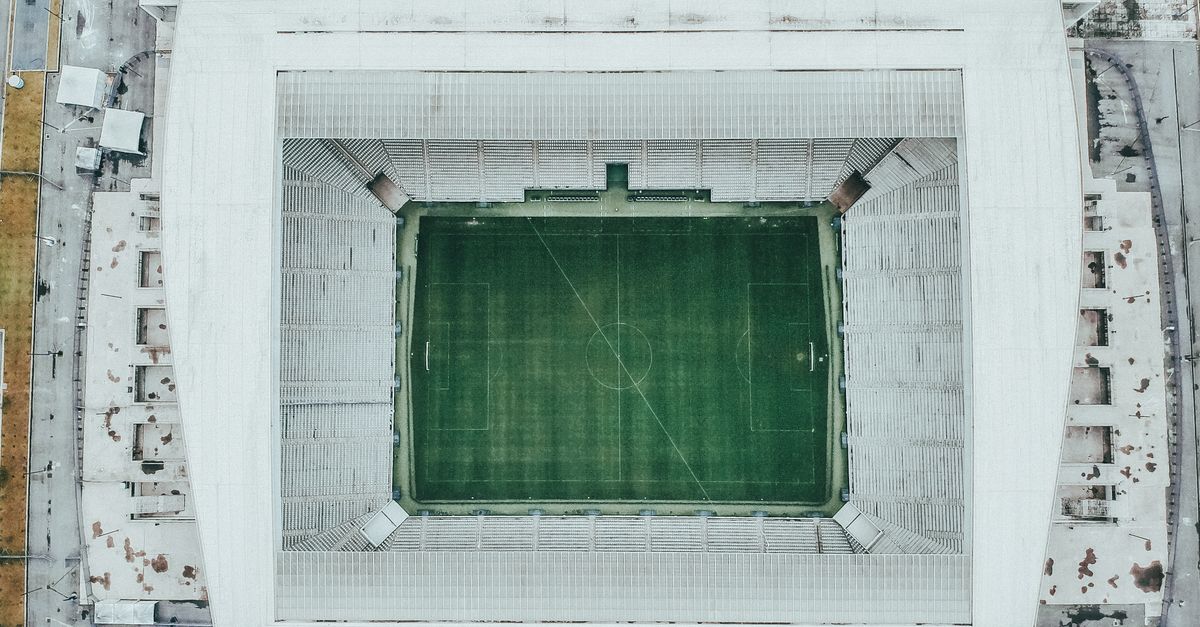
The Secret Weapon Most Churches Ignore: Acoustics
I’ve been to stadium shows. I’ve stood in the nosebleeds at Madison Square Garden. I’ve worshipped in tents and cathedrals. But nothing prepared me for what Loveworld Arena does to sound. I remember chatting with a sound designer who worked on the project — he told me the team spent over three years just on the internal geometry of the hall. They didn’t just build a big box and throw in some speakers. They calculated every curve, every angle, every material. The result? A space where a single voice can fill the room without a microphone, but also where a 200-piece orchestra doesn’t turn into mush.
Here’s the thing about massive auditoriums: most of them sound terrible. The sound gets muddy, the bass eats the vocals, and you end up with that hollow “arena reverb” that makes everything feel distant. Loveworld Arena solved this by designing what engineers call “diffuse reflection surfaces” — basically, the walls are shaped to scatter sound evenly rather than let it bounce back in nasty echoes. For a musician, this is heaven. I’ve stood on that stage during a quiet worship moment, and I could hear someone breathing in the third row. That intimacy in a 100,000-seat venue? That’s not normal. That’s witchcraft — the good kind.
So when you watch a live recording from Christ Embassy — say, a Sunday service or one of their massive music events — you’re not just hearing great singing. You’re hearing architecture working for you. The room itself becomes a collaborator. And that’s a secret most churches don’t invest in. They throw money at lights and screens but forget that sound is the soul of worship music. Loveworld Arena didn’t forget.
The 7 Secrets Inside Loveworld Arena’s Music DNA
I’ve spent enough time backstage and in the control rooms to notice things most visitors miss. Here’s what I’ve found makes this venue a game-changer for gospel music specifically:
- The Stage Riser System — It’s modular. You can reconfigure the entire stage in under two hours. For a music director, that means you can design a setup for a choir of 500, then switch to a solo piano concert the same night. Freedom.
- The In-Wall Monitoring — Most venues have wedge monitors on the floor that blast sound into the musicians’ faces. Loveworld Arena embedded monitors into the stage itself. Performers hear themselves clearly without the feedback nightmare. I’ve seen guest artists literally tear up when they realize they don’t have to fight the sound.
- The Choir Pit — There’s a dedicated area beneath the front of the stage that can hold 200 singers, acoustically isolated from the band. The choir sounds like they’re right next to you, but they’re actually under your feet. It’s disorienting and glorious.
- The Isolation Rooms — Behind the stage, there are six soundproof rooms for recording. You can have a guitarist, a vocalist, a horn section all playing simultaneously without bleed. This is pro studio stuff, not church stuff.
- The Delay Towers — For the massive crowd, they use time-aligned delay towers that ensure the sound from the main speakers arrives at the same moment as the towers. No weird slap-back echoes. Every seat is the best seat.
- The HVAC Silence — Air conditioning is the enemy of live recording. The engineers designed an HVAC system that moves air silently. I’ve sat in the middle of a recording session and heard a pin drop. Literally.
- The Lighting Grid — Not strictly music, but the lighting is synced to the audio system via a shared clock. When the music swells, the lights shift in perfect time. It creates this synesthetic experience where you feel the songs with your eyes.
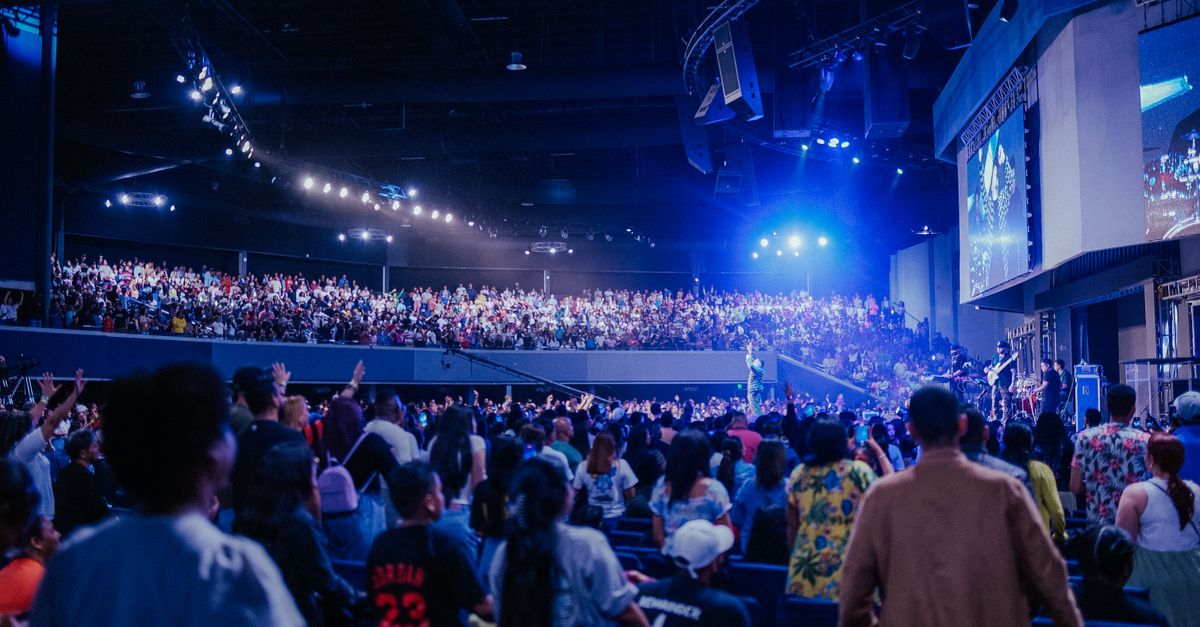
Why This Matters Beyond Christ Embassy
I’ve got to be real with you — I’m not a member of Christ Embassy. I’m just a guy who loves music and architecture. But I’ve watched what happens when artists from outside the church perform there. When Sinach records there, you hear a difference. When Don Moen or Travis Greene or even secular artists who’ve rented the space talk about it, they all say the same thing: “I’ve never sounded this good live.”
That’s not flattery. That’s physics.
Here’s what most people miss: the Loveworld Arena isn’t just for Sunday services. It’s a recording destination. Christ Embassy has essentially built a world-class recording studio that can hold a stadium audience. That’s a business model, not just a worship center. They’ve positioned themselves as a hub for gospel music production in Africa. If you’re a gospel artist in Lagos, and you want to capture a live album that competes with anything from Nashville or London, you book the Arena. Period.
I’ve talked to sound engineers who’ve worked at the Sydney Opera House and the Royal Albert Hall. They told me Loveworld Arena’s acoustic specs rival those venues. That’s not hyperbole. The reverberation time (RT60) in the main hall is tuned to 1.8 seconds — the sweet spot for choral music and spoken word. For comparison, a typical concert hall is around 2.0 seconds. A cathedral is 4-5 seconds. 1.8 seconds means clarity without dryness. It means your voice sounds warm but every word is intelligible.
The Hidden Cost of Perfection
Let’s not romanticize this too much. Building a venue of this caliber for music is expensive. And I mean absurdly expensive. The sound system alone — a custom L-Acoustics K2 array — costs millions of dollars. The acoustic panels on the walls are made of a special Peruvian wood that was imported and treated to prevent moisture damage in Lagos’ humidity. The rehearsal rooms have floating floors to isolate vibration. This is not a church building. This is a musical instrument that costs as much as a skyscraper.
And here’s the tension: some critics argue that the money spent on the Arena could have fed thousands or built hospitals. I get that. I wrestle with it too. But I also believe that excellence in worship is a form of stewardship. If you believe music is a gift from God, then honoring that gift with the best tools you can afford isn’t vanity — it’s gratitude. The same people who criticize the Arena’s budget probably don’t complain when a cathedral spends millions on stained glass. Art costs. Sound costs. And if the result is music that moves millions to hope, to faith, to action — maybe that’s worth something.
I’ve seen the choir rehearsals at 6 AM. I’ve seen the sound engineers tweaking EQs at 2 AM before a broadcast. The Arena doesn’t make the music great. The people do. But the Arena removes the obstacles. It lets talent breathe. And in a city like Lagos, where infrastructure is a daily battle, having a space that works is a miracle in itself.

What This Means for the Future of Gospel Music
I’ve been thinking about this a lot lately. Gospel music has always been the engine of Black music globally — blues, soul, R&B, rock, even hip-hop all trace back to the church. But for decades, gospel recordings were made in churches with terrible acoustics, cheap microphones, and no budget. The result? The message was powerful, but the sound was often poor. Loveworld Arena changes that equation.
Now, young gospel artists in Nigeria don’t have to leave the country to get a world-class recording. They don’t have to compromise. They can make albums that compete with anything from the West, right there in Lagos. And because the Arena is designed for live streaming, those recordings reach millions instantly via YouTube and social media. The barrier to entry is still talent, but the barrier to quality is gone.
I predict that in the next five years, we’ll see a wave of gospel music from Africa that dominates global charts — not just in the gospel niche, but in mainstream pop, R&B, and even electronic music. The Arena is the catalyst. It’s the platform. And if you’re an artist reading this, I’ll tell you what I tell every musician I meet: stop dreaming about Nashville. Start dreaming about Lagos.
The Final Note: Why You Should Care (Even If You’re Not Religious)
Look, I get it. Not everyone reading this cares about gospel music or church architecture. But here’s why you should care about Christ Embassy Loveworld Arena: it proves that intention beats budget every time. The Arena isn’t great because it’s expensive. It’s great because someone asked the right questions: What does a space need to sound like? How do we serve the music? How do we make every person in the room feel like they’re part of the song?
Those questions apply to any creative project. Whether you’re building a home studio, designing a concert venue, or just rearranging your living room for better sound, the lesson is the same: listen to the space before you fill it. The Arena teaches us that the container matters as much as the content.
So next time you watch a live worship video from Christ Embassy, pay attention to the silence between the notes. That silence is engineered. That silence is sacred. And that silence is why, no matter where I am in the world, I’ll always make time to visit that dusty, unfinished, magnificent building again.
Because when music and architecture fall in love, you get places like Loveworld Arena. And that’s a sound worth traveling for.