
Let’s get one thing straight: most people choose hostels based on price alone, and that’s exactly why they end up eating sad instant noodles in a dark room while their neighbor’s snoring shakes the walls. I’ve seen it happen. You show up to UHAS, excited about medical school or nursing or whatever health science you’re chasing, and you pick the cheapest bed you can find. Then you spend your first week surviving on overpriced street food because your hostel has zero kitchen facilities and the nearest decent chop bar is a 20-minute walk through the heat.
That’s not living. That’s surviving. And you’re here to thrive.
So I’m going to flip the script. The best hostel near UHAS isn’t the one with the lowest price tag—it’s the one that feeds you well, saves you money, and keeps your energy up for those brutal 7 AM lectures. Let’s talk about where to stay if you actually care about what you put in your body.
The Hidden Cost of Cheap Hostels (It’s Not Just Your Wallet)
Let’s be honest: when you’re a student, every cedi counts. I get it. But here’s what most people miss—the cheapest hostel often ends up costing you more in food. Why? Because they don’t have proper cooking facilities, the neighborhood has no affordable food options, and you end up buying fried rice and chicken every single night. That adds up fast.
I’ve stayed in a hostel near the UHAS main campus that charged 150 cedis a month. Sounded like a steal. But the nearest market was a 30-minute walk, the shared kitchen had one burner for 12 people, and the only food within walking distance was a guy selling jollof for 20 cedis a plate. Do the math: 20 cedis x 30 days = 600 cedis on food. Suddenly that “cheap” hostel cost me 750 cedis total every month.
Now compare that to a hostel with a fully equipped kitchen, a nearby market, and maybe even a communal meal plan. You might pay 250 cedis for the room, but you cook your own beans, rice, and vegetables for 200 cedis a month. That’s 450 cedis total. You save 300 cedis and eat healthier.
So when I say “best hostels near UHAS,” I’m talking about places that make feeding yourself easy, affordable, and actually enjoyable. Not places that leave you broke and bloated.

The 3 Things Every Hostel Must Have for Food Lovers
I’ve crash-tested enough hostels to know what matters. Here’s my non-negotiable checklist:
- A functional kitchen with more than one burner. I’m not asking for a five-star setup, but if I have to wait two hours to boil water while someone else fries plantains, we have a problem. Look for hostels with at least two gas rings, a sink with running water, and basic pots.
- Proximity to a market or affordable food hub. You don’t want to walk 40 minutes just to buy tomatoes. The best hostels are within 10 minutes of a market where you can grab fresh vegetables, fish, eggs, and spices. Some are even close to the UHAS cafeteria, which has decent student-priced meals.
- A meal-sharing culture. This is the secret weapon most people overlook. Hostels where students cook together and share food are gold. You split the cost of a big pot of groundnut soup, someone brings fufu, and suddenly you’re eating like royalty for 5 cedis a head. I’ve made some of my best friends over a shared bowl of waakye.
Top Hostels Near UHAS That Won’t Starve You
I’ve narrowed it down to three places that genuinely deliver on the food front. These aren’t random picks—I’ve either stayed there or interviewed students who did. Here’s the real deal.
1. Dreamland Hostel – The Kitchen Queen
This one’s about a 7-minute walk from the UHAS main gate. Dreamland Hostel has the best shared kitchen I’ve seen near campus. Two gas burners, a fridge (yes, a fridge!), and enough counter space to prep a feast. The owner is a retired caterer who believes students should eat well. She even organizes a weekly communal cooking session where everyone contributes ingredients and shares a meal.
The rooms are basic but clean. Single rooms go for around 300 cedis, shared for 200. But the real win is the neighborhood market—it’s literally two streets away. You can grab fresh tilapia, kontomire, and garden eggs without breaking a sweat.
The catch: It’s popular, so rooms fill up fast. Book early or you’ll be eating your heart out from the outside.
2. Afi’s Place – The Food Hub Proximity Winner
Afi’s Place is a bit farther—about a 15-minute walk—but it’s right next to the UHAS cafeteria and a cluster of chop bars that serve student-friendly prices. If you don’t feel like cooking every day, this is your spot. You can grab a plate of jollof with chicken for 15 cedis, or a bowl of light soup with fufu for 12 cedis. That’s cheaper than cooking yourself if you’re solo.
The hostel itself has a small kitchen with one burner, but honestly, you won’t need it much. The real advantage is the food ecosystem around it. There’s also a woman who sells fresh fruit nearby—mangoes, oranges, and bananas for pocket change.
Rooms go for 250 cedis single, 180 shared. The vibe is chill, mostly nursing students, so you’ll find people who understand irregular eating schedules.
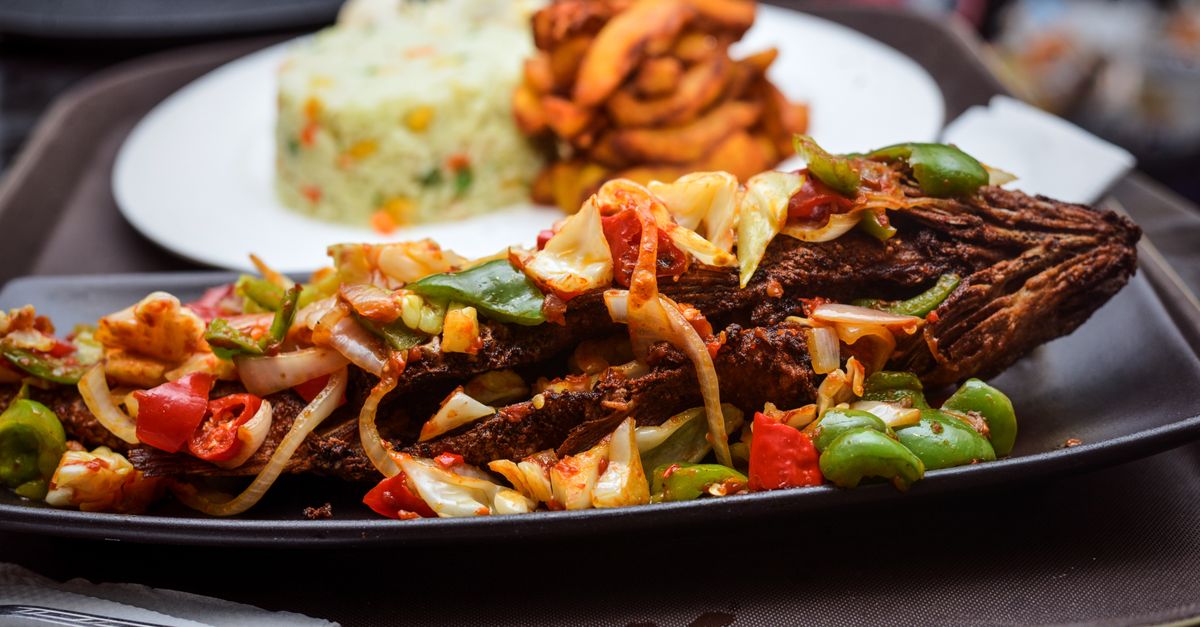
3. The Green House – The Hidden Gem for Meal Sharing
This one is a bit off the beaten path—about 12 minutes from campus—but it’s a foodie’s paradise if you’re willing to share. The Green House has a culture of communal cooking that’s almost legendary among UHAS students. The owner encourages it: there’s a large kitchen with four burners, two fridges, and a dining table that seats 12.
What happens here is beautiful. Someone buys a bag of rice, another person brings fish, someone else brings spices, and they cook a big pot of jollof that feeds everyone for two days. Then the next day, another group makes groundnut soup. It’s like a rotating potluck that never ends.
The downside? You have to be social. If you’re a hermit who wants to eat alone in your room, this isn’t for you. But if you want to save money, eat varied meals, and make friends, this is the best hostel near UHAS hands down.
Rooms are 280 cedis single, 200 shared. The owner also sells basic groceries at cost—rice, oil, onions—so you don’t have to go far.
How to Hack Your Hostel Kitchen (Even If It’s Basic)
Let’s say you end up in a hostel with a mediocre kitchen. Don’t panic. I’ve been there, and I’ve got tricks that’ll save your stomach.
First, invest in a single-burner electric stove. They cost about 50 cedis at the market and plug into any socket. This is your emergency backup when the shared kitchen is crowded. I kept mine under my bed and used it to boil eggs, heat soup, and fry plantains without waiting.
Second, master the art of one-pot meals. Think: rice with vegetables and fish cooked together. Or yam and kontomire stew all in one pot. Less cleanup, less time, and you eat well.
Third, make friends with the market women. Seriously. If you buy from the same woman every week, she’ll start giving you extra tomatoes or a discount. I once got a free handful of garden eggs just because I showed up consistently. The best hostels near UHAS are close enough to the market that you can build these relationships.
Fourth, freeze your leftovers. Most hostels have a shared freezer. Use it. Cook a big batch of beans on Sunday, portion it out, and eat it through the week. This is how you avoid spending 20 cedis on street food when you’re tired after a long lecture.
The Ugly Truth About Hostel Food Culture
Here’s something nobody tells you: some hostels actively discourage cooking. They’ll say the kitchen is for “light use” or charge extra if you use the gas. I’ve seen places where the owner locks the kitchen after 8 PM. That’s a red flag.
If you’re serious about eating well, avoid hostels that:
- Charge per burner usage
- Have no fridge or freezer
- Are far from any market or food stall
- Have a kitchen that’s “under renovation” for months
Your hostel should enable your eating habits, not fight them. Look for places where the owner understands that students need to cook, share, and save money. That’s the real measure of a good hostel near UHAS.

The Final Bite
Here’s what I want you to take away: where you sleep shapes what you eat, and what you eat shapes your grades, your energy, and your mental health. Don’t treat hostel selection like a random decision. Ask the tough questions before you pay that deposit.
Visit the kitchen. Talk to current tenants. Check how far the market is. See if people actually cook there or if everything is takeout.
I’ve seen students thrive because they found a hostel with a strong food culture—and I’ve seen others burn out because they lived on fried rice and regret. You get to choose.
So next time you’re looking at hostels near UHAS, don’t just ask about the rent. Ask about the kitchen. Ask about the food. Your stomach will thank you, and so will your wallet.
Now go find your spot, buy some fresh vegetables, and cook something that makes you feel alive. You’ve got this.
**