
You know what’s wild? Over 60% of professional athletes go broke within five years of retirement. That’s not a typo. These are people who’ve trained their whole lives, dominated their sport, and earned millions — yet they end up financially wrecked. Meanwhile, you’ve got guys like LeBron James or Serena Williams who don’t just survive retirement; they thrive. The difference? It’s not talent or luck. It’s author strategy — how they script their own narrative, brand, and legacy. I’ve spent years studying this, and here’s the truth most people miss: your game on the field is only half the battle. How you write your story off it determines everything.
Let’s break this down, because if you’re an athlete, coach, or just someone trying to level up your life, this is the playbook you didn’t know you needed.

The Hidden Playbook: Why Your Stats Don’t Tell the Full Story
Here’s what I’ve found after watching hundreds of athletes rise and fall: your performance metrics are just the raw data. They’re like ingredients in a kitchen — necessary, but not dinner. The real magic happens when you turn those stats into a narrative that connects. Think about it. When’s the last time you remembered a player solely for their points per game? Probably never. You remember the story — the underdog who came back from injury, the rookie who silenced critics, the veteran who mentored the next generation.
That’s author strategy in action. It’s the conscious choice to shape how the world sees you, rather than letting the media or your agent do it for you. I’ve seen athletes with average numbers land massive endorsements because they told a compelling story. And I’ve seen superstars with insane stats fade into obscurity because they never bothered to write their own narrative. The game doesn’t end when the buzzer sounds — it evolves.
Here’s what most people miss: your brand isn’t built in the locker room. It’s built in the moments between games — the interviews, the social posts, the community work, the way you handle losses. Every interaction is a chapter in your book. If you’re not writing it, someone else is. And trust me, they won’t do it justice.
The 3 Pillars of Author Strategy That Separate Icons from Also-Rans
Let’s get practical. I’ve broken this down into three non-negotiable pillars that every athlete who’s built a lasting legacy uses. You don’t need a PR team for this — you just need intentionality.
1. Authenticity Over Polish
You’d think this is obvious, but most athletes try to be perfect. They sanitize their social media, avoid controversial topics, and come off as robots. That’s a death sentence for connection. The icons — think Muhammad Ali, Megan Rapinoe, or even the trash-talking antics of a young Charles Barkley — they leaned into their true selves. Flaws, quirks, and all. Why? Because people don’t root for perfection. They root for realness.
I remember watching a interview with a retired NBA player who admitted he cried after losing a championship. Fans loved him more for that moment than any dunk he ever made. Your authority comes from your honesty. Don’t hide the struggle. Don’t pretend you’ve got it all figured out. That’s what makes you relatable, and relatability is currency in the sports world.
2. Consistency Across Channels
Here’s a mistake I see constantly: an athlete has a killer Instagram, a boring website, and zero presence in local news. That’s like writing a book where every chapter has a different tone. Your story must be consistent. Whether it’s a tweet, a press conference, or a charity event, the core message should be the same. What do you stand for? What’s your mission? Mine, for example, is about helping athletes build sustainable lives beyond the game. For you, it might be resilience, community, or excellence.
Create a one-sentence mission statement. Write it down. Tape it to your mirror. Then ask yourself: does every public action align with that? If not, you’re diluting your own narrative. The icons don’t have multiple personalities — they have one powerful voice that echoes everywhere.
3. Long-Term Vision Over Short-Term Wins
Let’s be honest: it’s easy to chase the viral moment. A wild celebration, a controversial take, a flashy endorsement. But author strategy is a marathon, not a sprint. I’ve seen athletes burn bridges for a quick headline, only to regret it when the spotlight fades. The smart ones — like Tom Brady or Simone Biles — play the long game. They invest in their personal brand, their education, their community.
Ask yourself: where do I want to be 10 years after I stop playing? If you can’t answer that, you’re already behind. Start building that future today. Write your legacy while you’re still active. Because when the cheers stop, the story you’ve written will be all that remains.
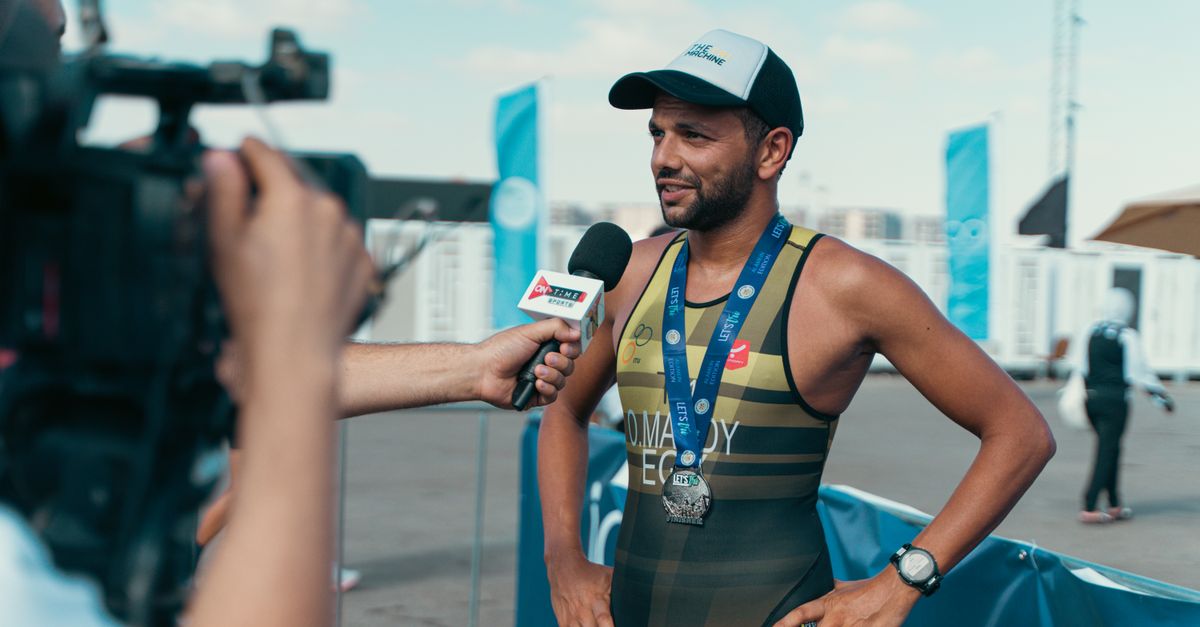
The Secret Weapon: How to Write Your Own Narrative When the Media Won’t
I’ve got a confession: the media doesn’t care about your story. They care about clicks. They’ll frame you as a villain if it sells, or a saint if it’s trendy. You cannot outsource your narrative to them. Here’s the hard truth: if you don’t control your story, you’re a pawn in someone else’s game.
So how do you take the pen back? Start with direct channels. Your own blog, a YouTube channel, a podcast, or even a newsletter. I’m not saying you need to be a full-time content creator. But look at what LeBron does with SpringHill Entertainment, or what Venus Williams does with her design company. They don’t wait for interviews — they create their own platforms.
One practical step: share your process, not just your wins. Post a video of your training when you’re exhausted, not just when you hit a PR. Write about the lessons you learned from a loss. Show the behind-the-scenes work that fans never see. This builds a deeper connection than any highlight reel ever could. I’ve found that audiences crave vulnerability. They want to see the grind, not just the glory.
Another hack: partner with other storytellers. Find journalists, podcasters, or bloggers who align with your values. Give them exclusive access. Let them tell your story in a way that feels organic. But always maintain editorial control. If something doesn’t feel right, say no. Your brand is precious — protect it like a championship trophy.
The Uncomfortable Truth: Why Most Athletes Fail at Author Strategy
I’m gonna be real with you: most athletes don’t want to do this work. They think the game is enough. They believe that if they just win enough, the rest will take care of itself. That’s a lie. I’ve seen Hall of Fame talents end up broke and forgotten because they never built a narrative beyond the court.
The uncomfortable truth is that author strategy requires humility. You have to admit that your athletic ability alone isn’t enough. You have to learn new skills — writing, speaking, marketing. That’s scary for people who’ve been told their whole life that they’re special because they can throw a ball or run fast. But here’s what I’ve learned: the athletes who embrace this discomfort are the ones who thrive.
Take a look at someone like Dwyane Wade. His game was elite, but he also built a brand around style, family, and business. He didn’t wait until retirement to start. He was intentional from day one. That’s why he’s still relevant years after his last game. Meanwhile, countless players with similar stats have disappeared. The difference is strategy, not skill.
Your Playbook for the Next 90 Days
Let’s make this actionable. You don’t need a five-year plan right now. You need a 90-day sprint. Here’s what I recommend:
- Week 1-2: Define your mission statement. One sentence. What do you stand for? Write it down and share it with your inner circle.
- Week 3-4: Audit your current presence. What does your social media say? Does it align with your mission? Delete anything that doesn’t.
- Week 5-6: Create one piece of content per week. A blog post, a video, or a podcast. Focus on your process, not just results.
- Week 7-8: Reach out to one media outlet or influencer who aligns with your brand. Offer an exclusive story or collaboration.
- Week 9-10: Engage with your audience. Reply to comments. Ask questions. Build a community, not just a following.
- Week 11-12: Reflect and adjust. What worked? What didn’t? Double down on what resonates.

The Final Whistle: Your Story Is the Only Legacy That Matters
Here’s the thought I want you to leave with: your athletic career is a chapter, not the whole book. The most successful athletes — the ones who are remembered long after their playing days — they understood that their story was bigger than any game. They wrote it with intention, with vulnerability, and with a long-term vision.
You have the power to do the same. Whether you’re a rookie just starting out or a veteran planning your next move, the pen is in your hands. Don’t hand it to anyone else. Don’t let the media, your agent, or even your fans dictate your narrative. You are the author of your own legacy.
So here’s my challenge to you: write one sentence today that defines who you are beyond the sport. Share it in the comments, or just keep it for yourself. But don’t let this moment pass. Because the truth is, the game will end. But your story? It can last forever.
Now go write it.