
Let’s get one thing straight: most of what you've been told about modern agriculture is a lie.
I’m Hong Ma, and I’ve spent years watching the food industry spin narratives. They tell you that Big Ag is the only way to feed the world. They say that organic is a luxury for the elite. They whisper that vertical farming is just a Silicon Valley pipe dream.
Bullshit.
The real story is far more exciting, and far more terrifying. It’s a story about a silent revolution happening right under our noses. It’s about dirty hands, smart data, and a fight for the very soil beneath our feet. We aren't just growing food anymore. We are re-coding the operating system of life itself.
And the best part? You don't need a billion-dollar startup or a PhD to be part of it. You just need to see what’s actually happening.
Here’s the truth about agriculture in 2024. It’s not about tractors. It’s about trust.
The Great Deception: Why "Efficiency" Is Killing Us
I remember walking through a massive corn field in Iowa a few years back. It was a sea of green, perfectly uniform, stretching to the horizon. The farmer was proud. "Look at this efficiency," he said. "One seed, one plant, one harvest. No weeds. No waste."
He was right. It was efficient. But it was also a biological desert.
Here’s what most people miss: The Green Revolution of the 20th century wasn't a miracle. It was a loan. We borrowed fertility from the soil, paid for it with oil (fertilizer), and kicked the can down the road. We created a system that is incredibly productive in the short term, but catastrophically fragile in the long term.
Let’s look at the numbers:
- Soil Loss: We are losing topsoil 10 to 40 times faster than we can replenish it.
- Biodiversity: Modern monoculture farms have 90% less biodiversity than natural ecosystems.
- Resilience: A single disease (like the one threatening Cavendish bananas) can wipe out an entire global supply chain.
The "efficiency" we worshiped is a house of cards. And the wind is picking up.

The 3 Secrets Regenerative Farmers Don't Want You to Know (But I'll Tell You)
Let's be honest. "Regenerative" has become a buzzword. Big food companies slap it on packaging to charge you an extra dollar. But the real regenerative movement? It’s not a marketing play. It’s a paradigm shift.
I've spent time with ranchers in the Dakotas and vegetable farmers in California who are doing this right. They aren't hippies. They are hardcore data nerds. And they are hiding three dirty secrets.
1. It’s Not About "Doing Nothing" Most people think regenerative farming means just letting the weeds take over. Wrong. It’s intensive management. You don't just stop using chemicals. You start using biology. You move cows daily. You plant 15 different cover crops. You manage soil microbes like a stock portfolio. It’s more work, but it's smarter work.
2. The Carbon Hype is Real (But Complicated) You’ve heard that soil can sequester carbon. It’s true. Healthy soil is the cheapest carbon capture technology we have. But here’s the kicker: It’s not permanent unless you change the entire system. If you sequester carbon for 10 years and then till the soil, you release it all in one season. The secret isn't just storing carbon. It’s cycling it. These farmers are building a living system, not a carbon bank account.
*3. Profit Margins Are Actually Higher This is the one that makes corporate agribusiness squirm. I’ve seen the books. Regenerative farmers often have higher net profits per acre than conventional farmers. How? They don't buy synthetic fertilizer. They don't buy pesticides. They don't buy expensive GMO seeds every year. They use free sunlight and free biology. The yield might be 10% lower, but the input costs are 50% lower. That’s math that works.
I’ve found that the farmers who are most successful aren't the ones with the biggest tractors. They are the ones who can read the land. They are artists with a sprayer and a soil knife.
The AI Takeover: How Your Salad is Getting a Brain
Okay, let’s talk tech. Because agriculture isn't just about dirt. It’s about data.
I visited a greenhouse in the Netherlands last year. It was a sci-fi movie. Rows of tomatoes climbing to the ceiling, each plant monitored by a camera. A computer was adjusting the light spectrum, water flow, and nutrients in real-time, based on the plant's "mood."
This is precision agriculture, and it's changing everything.
Here’s what’s happening right now:
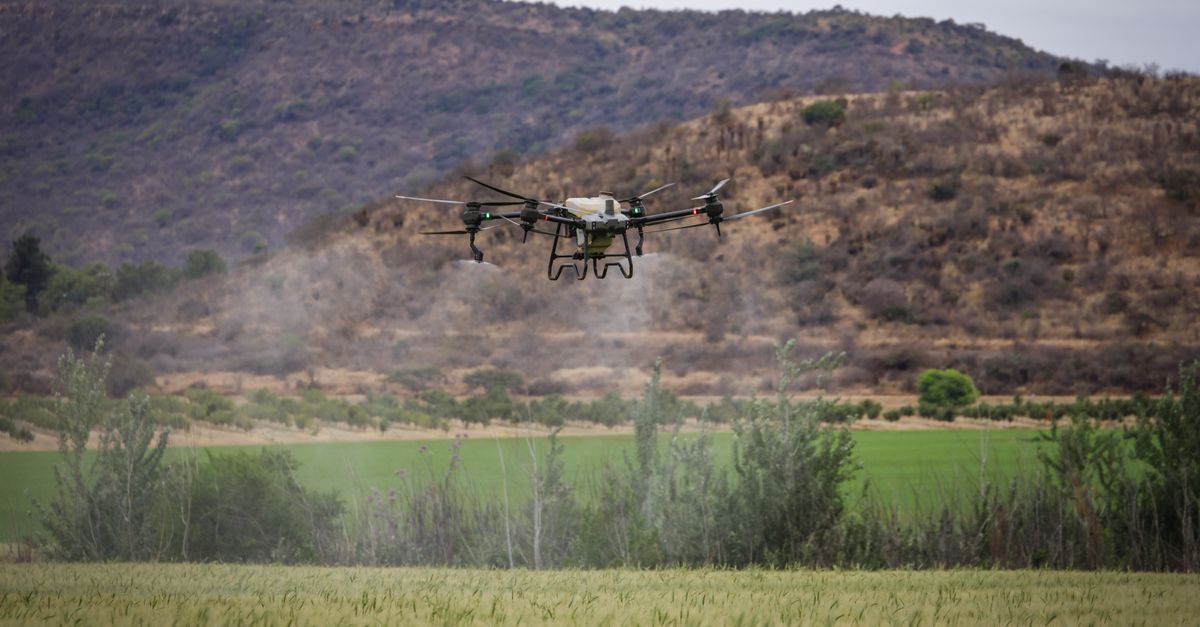
- Computer Vision: Drones and satellites can spot a nutrient deficiency in a single leaf before you can see it with your own eyes.
- Machine Learning: Algorithms are predicting pest outbreaks based on weather patterns and historical data. They are telling farmers when to spray, not just what to spray.
- Robotics: We have robots that can weed, harvest, and prune. They don't get tired. They don't complain. They work 24/7.
I know a small-scale vegetable farmer in rural Vietnam who uses a $100 smartphone app to diagnose plant diseases. He doesn't have a PhD. He doesn't have a lab. He just points his phone at a leaf, and the AI tells him what's wrong. He gets the same advice as a million-dollar agronomist.
The future of agriculture isn't about giant, anonymous combines. It’s about tiny, intelligent ecosystems managed by informed humans.
The Water Wars Have Already Started
Let’s get uncomfortable. We can talk about soil and AI all day, but the real limiting factor is water. And the news is not good.
I was in the Central Valley of California during the last drought. I saw almond orchards being ripped out. I saw towns running out of drinking water. I saw the future.
Agriculture uses 70% of the world's freshwater. In a warming world, that’s a crisis.Here’s the specific, actionable truth you need to know:
- Drip Irrigation is the Bare Minimum. We need to move to
How You Can Hack the System (Without Buying a Farm)
I know what you're thinking. "Hong, this is great, but I live in an apartment. I don't have land."
Good. You don't need it.
The most powerful tool in the agricultural revolution is the fork.
The word "agriculture" comes from the Latin
ager (field) and cultura (cultivation). But today, the most important field is the grocery store aisle. Your wallet is a vote. Every single purchase is a ballot for the kind of world you want to live in.Here’s my personal, no-BS guide to being an agricultural activist without getting your hands dirty:
- Stop Buying "Perfect" Produce. The ugly carrot is the same as the pretty one. By buying blemished fruit, you are voting for less food waste and more biodiversity.
- Seek Out "Biodynamic" or "Certified Regenerative" Labels. It’s not perfect, but it’s better than "organic" in many cases. It forces the farmer to think about the whole system.
- Eat Seasonally. A tomato in January tastes like cardboard and took a massive carbon footprint to get to you. A tomato in August tastes like sunshine. Your taste buds and the planet will thank you.
- Ask Your Restaurant. Seriously. Ask your waiter: "Where does your beef come from? Is it grass-finished?" If they can't answer, spend your money elsewhere. The market responds to pressure.
The Dirty Truth: It's Not About the Food, It's About the Future
We are at a crossroads. The industrial model is dying. It’s running out of soil, water, and cheap energy. But the alternative isn't a return to the Stone Age.
It’s a fusion of ancient wisdom and cutting-edge technology.
The farmers who will thrive in the next 20 years aren't the ones who spray the most. They are the ones who listen the most. They listen to the soil microbes. They listen to the weather data. They listen to the market.
And you? You need to listen to your gut.
The next time you bite into an apple, ask yourself:
Did this apple come from a system that created life, or one that extracted it?*The answer will tell you everything about the world we are building.
The revolution is not coming. It’s already growing. Right under your feet. Are you ready to dig in?