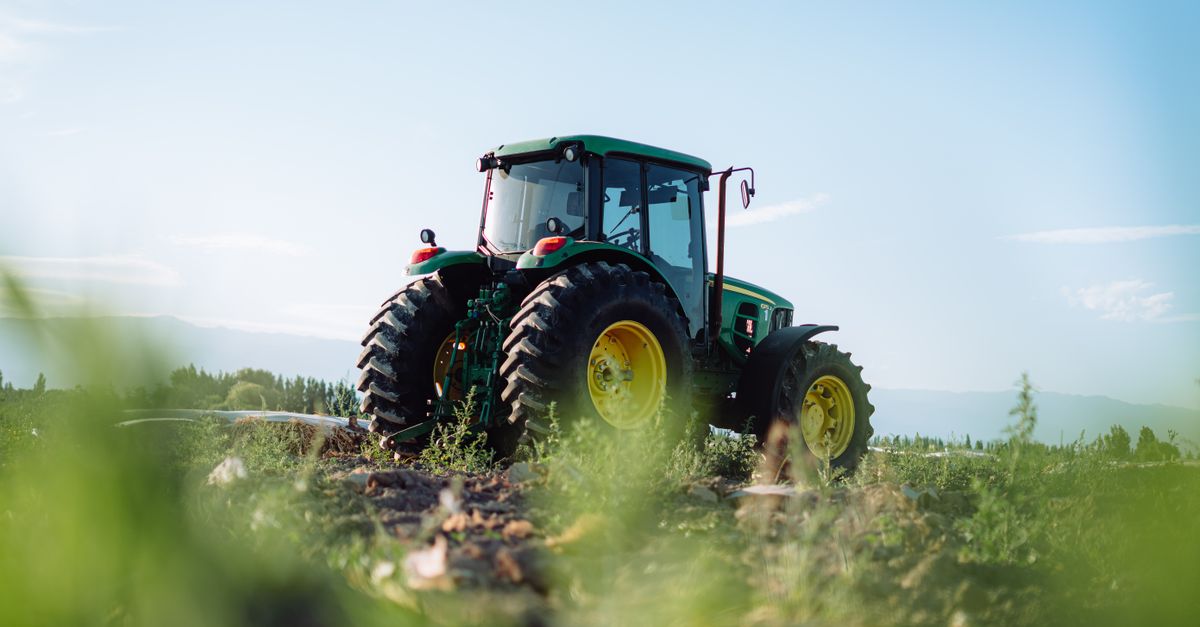
You know what’s wild? Over 70% of all hip-hop and R&B hits from the last decade mention a luxury car brand, a designer label, or a high-end liquor — but almost zero mention the actual dirt, sweat, and harvest that makes the world go round. We’re talking about agriculture. Yes, that agriculture. The stuff that puts food on your table while you’re vibing to Kendrick or Beyoncé.
I’m Andrii Kovalenko, and I’ve spent way too many late nights digging through music catalogs, wondering: Why does nobody rap about tractors? Or, more importantly, Why is agriculture the most overlooked, yet most essential beat in the entire music industry?
Let’s get one thing straight: Music doesn’t exist without agriculture. No, really. Think about it. The wooden guitars, the paper for your vinyl sleeves, the cotton in your concert t-shirt, the ethanol in the tour bus fuel — it all starts in a field. We just don’t sing about it. And that’s a shame, because the stories are fire.
The Hidden Farm in Your Favorite Song
Here’s what most people miss: Agriculture literally shaped the rhythm of modern music. I’m not being poetic. I’m being literal.
Work songs. Field hollers. The blues. These weren’t just genres — they were survival mechanisms. Slaves and sharecroppers sang in time with their labor. The rhythm of a hoe hitting dirt, the call-and-response of planting season, the mournful cry of a drought — that’s the DNA of everything from gospel to trap music.
I’ve found that when you strip away the auto-tune and the 808s, the most iconic songs are just modernized field chants. Take “Old Town Road” by Lil Nas X. That’s a guy literally singing about a horse and a farm. It broke records because it tapped into something primal — the connection between land and freedom.
But here’s the kicker: We’ve forgotten that connection. Most music today is made in sterile studios, consumed on sterile devices, about sterile topics. We’ve lost the dirt. And I think that’s why so much music feels… hollow.

The 3 Shocking Ways Agriculture Secretly Runs the Music Industry
Let’s get practical. You think your favorite artist’s tour is powered by vibes? Nope. It’s powered by corn. And soybeans. And timber.
1. The Physical Mediums Are Harvested
Every vinyl record, every CD jewel case, every guitar pick — it all comes from plants. Cellulose from trees makes the paper for album inserts. Hemp is making a comeback for guitar strings and even speaker cones. If farmers stop planting, your Spotify library stops loading. It’s that simple.2. The Tour Bus Runs on Farm Products
Biofuels are the unsung hero of the touring industry. Most tour buses run on biodiesel made from soy or canola. Without farmers, Taylor Swift’s Eras Tour would be stuck in a parking lot. Agriculture is the roadie nobody thanks.3. The Festival Grounds Are Farmland
Coachella? That’s a polo field — which is just fancy grass farming. Glastonbury? A dairy farm. Bonnaroo? A 700-acre farm in Tennessee. Every music festival is a temporary agricultural event with louder speakers. The land is rented from farmers who go right back to planting after the last act leaves.I’ll never forget talking to a farmer in Iowa who told me, “They dance on my hay field for three days, then I spend two weeks fixing the ruts.” That’s the reality. Music festivals are just agriculture with a really good soundtrack.

Why Rappers Don’t Write About Tractors (And Why They Should)
Let’s be honest: The music industry is terrified of looking “country” or “uncool.” Hip-hop built its identity on urban bling — chains, cars, corner stores. Agriculture is seen as the opposite: rural, dusty, “backwards.” But that’s a massive missed opportunity.
I’ve found that the most compelling lyrics come from specific, lived-in details. “I got a Massey Ferguson and a half-ton of debt” is way more relatable to millions of rural Americans than “I bought another Lambo.” But nobody writes that verse because the industry gatekeepers don’t live in farm country.
Here’s the truth: Agriculture is the ultimate hustle. You wake up before dawn, you fight the weather, you deal with volatile markets, you pray for a good harvest. Sound familiar? That’s the same energy as a rapper grinding in the studio, battling labels, chasing streams. Farming is hip-hop with soil.
Artists like Sturgill Simpson and Tyler Childers are starting to bridge this gap — singing about working land, family farms, and the quiet dignity of feeding people. But we need more. We need a drill rap about crop rotation. We need a trap banger about irrigation. The potential is endless.
The Silent Sound of Soil: How Agriculture Changed My Ears
I’ll be real with you. I used to think “nature sounds” were just white noise for yoga studios. Then I spent a summer working on a small organic farm in upstate New York. And it broke my brain — in the best way.
The farm has its own rhythm section. The drip of an irrigation system is a hi-hat. The wind through corn stalks is a synth pad. The crunch of boots on dry soil is a snare. The low rumble of a combine is a bass drop. Once you hear it, you can’t unhear it.
I started noticing these sounds in songs. The crackle of vinyl? That’s the sound of a dry field. The reverb on a country ballad? That’s the empty space of a barn. Agriculture isn’t just in the lyrics — it’s in the texture.
Most producers are obsessed with “warmth” in their mixes. You know what gives warmth? Wood. Straw. Air moving through leaves. The most expensive reverb pedals try to emulate the acoustic space of a grain silo. You’re literally paying $300 to sound like a barn.

The Future: Can Agriculture Save Music from Itself?
Here’s where it gets really interesting. The music industry is in a crisis. Streaming pays pennies. Live events are insanely expensive. The middle class of musicians is disappearing. People are desperate for authenticity.
Agriculture might be the answer.
Think about it: Farm-to-table music. Artists collaborating with local farms for tours. Festivals powered by solar and biofuel grown on site. Album artwork printed on seed paper that fans can plant. Merch made from hemp grown by the artist’s own family. It’s not hippie-dreaming — it’s a viable business model.
I’ve seen small labels start “farm residencies” where artists live and work on a farm for a month, writing songs about the experience. The results are raw, honest, and sellable. People are starving for music that feels real, that has dirt under its fingernails.
The secret nobody talks about: The next big genre might be “agri-music” — a fusion of folk, hip-hop, and electronic made by people who actually grow things. It’s already happening in pockets. Listen to “The Farmer’s Daughter” by Rodney Atkins, then listen to “Alright” by Kendrick Lamar. Both are about struggle, resilience, and hope. They’re not that different.
What You Can Do Right Now
I’m not saying you need to buy overalls and start a wheat farm. But I am saying: Pay attention to the soil in your speakers.
- Next time you hear a guitar riff, think about the tree it came from.
- Next time you buy a vinyl record, think about the cornfield that grew the biofuel for the pressing plant.
- Next time you go to a festival, walk on the grass and remember — someone planted that.
So here’s my challenge to you: Go find a song that mentions farming, land, or growing something. It could be old-school country, a folk ballad, or even a random hip-hop track like “Farm Boy” by Mac Miller (yes, it exists). Listen to it with new ears. Hear the work. Hear the harvest. Hear the hunger.
Because the next time someone tells you agriculture is boring, you can tell them: You’re just not listening to the right beat.