
Let me tell you something about the farm you think you know. You drive past them on the highway—those fields of green, those red barns, those grazing cows—and you picture a simpler life. Maybe you see a guy in overalls chewing on a piece of straw, checking the weather, whistling to his dog. It’s a beautiful image. It’s also wildly outdated.
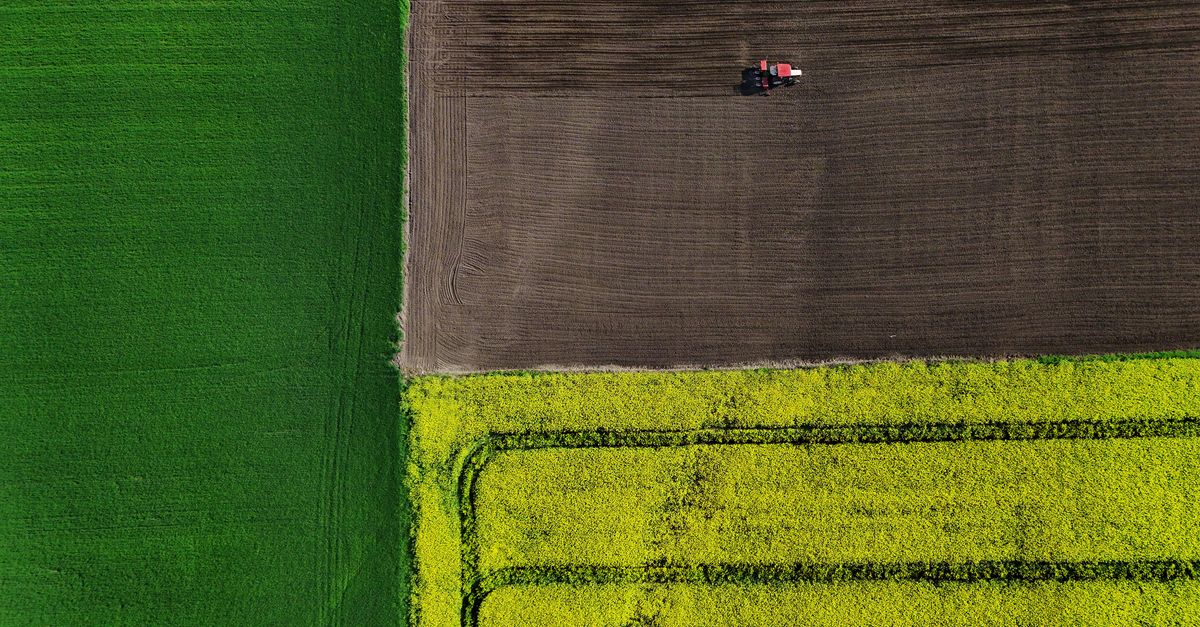
I’m not here to romanticize agriculture. I’m here to tell you that the dirt under your fingernails is now connected to a supercomputer. The cows you see might be wearing Fitbits. The tractor driving through that field? It’s probably running on GPS and AI, and it’s making better decisions than most stock traders. Agriculture isn’t just farming anymore—it’s the intersection of biology, data science, and pure grit.
Let’s dig into the real dirt.
The Silent Tech Revolution in Your Salad
Here’s what most people miss: the biggest tech boom right now isn’t in Silicon Valley. It’s in the soil.
I’ve found that when I tell people about precision agriculture, they think I’m describing a sci-fi movie. But the truth is, farmers are using drones to scan fields for nutrient deficiencies. They’re using satellite imagery to decide exactly where to water and where to skip. We’re talking about irrigation efficiency that cuts water usage by 40% while increasing yield.
Think about that for a second. In a world where water is becoming more precious than oil, some farmers are using technology to make every drop count. And it’s not just water. They’re using soil sensors that measure pH, moisture, and nitrogen levels in real-time. The data goes straight to a tablet in the cab of the tractor.
I’ve seen setups where a farmer in Iowa can check the health of a field in Nebraska without leaving their kitchen. That’s not magic—that’s agtech, and it’s reshaping how we feed 8 billion people.
But here’s the kicker: most consumers have no idea this is happening. You buy a bag of salad, you think "farm fresh." Behind that bag is a supply chain so optimized it would make Amazon jealous.
Why Your "Organic" Label Might Be Lying to You
Let’s be honest—the marketing department has done a number on us. We see the word "organic" and we imagine a little bunny hopping through a meadow. But the reality of modern agriculture is far messier than a sticker.
I’m not anti-organic. But I am pro-truth. And the truth is, the organic vs. conventional debate is often a distraction from bigger issues.
Here are three things the label won't tell you:
- Water usage matters more than pesticides. A farm that uses 50% less water but uses a synthetic fertilizer might be better for the planet than an organic farm that guzzles water.
- Soil health is the real hero. You can have an organic farm with dead soil and a conventional farm with thriving microbial life. It’s not the label—it’s the practice.
- Transportation emissions dwarf farm emissions. An organic avocado flown in from Chile has a bigger carbon footprint than a conventionally grown avocado from your local farmer.
I’ve talked to farmers who practice regenerative agriculture—building soil carbon, rotating livestock, planting cover crops. Some of them aren’t certified organic, but their land is healthier than any pristine field you’ll find. Why? Because certification costs money, and many small farmers can’t afford the paperwork.
So the next time someone tells you "organic is the only way," ask them one question: "What about the soil?"
The 3 Secrets Every Farmer Knows (But Won't Admit)
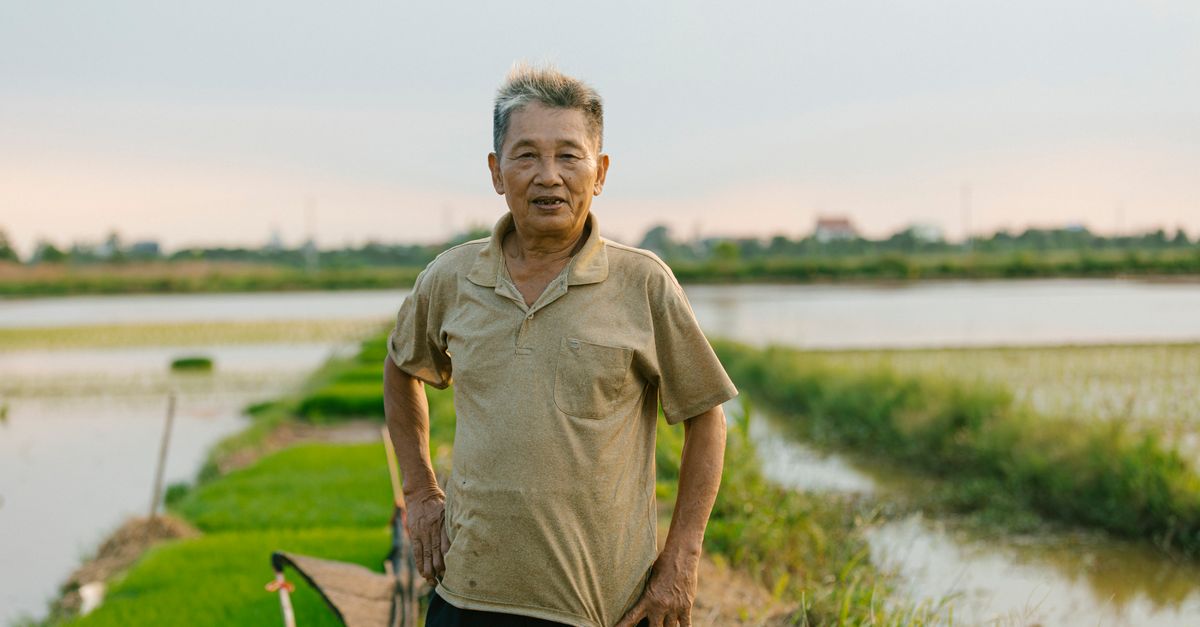
I’ve spent time with farmers, and let me tell you—they are the most underappreciated geniuses in the world. They deal with weather, pests, market prices, equipment breakdowns, and government regulations. And they do it all with a smile that hides the stress.
Here are three secrets they won't tell you over a cup of coffee:
1. They predict the weather better than the app on your phone. Farmers don't just check the forecast. They read the sky, feel the humidity, watch the animals. I’ve seen a farmer look at clouds, nod, and say, "Rain at 4 PM." It rained at 3:57. That’s not luck—that’s ancient knowledge backed by modern data.
2. They hate waste more than you do. You might throw away a bruised apple. A farmer will lose sleep over a bushel that rots in the field. Every wasted crop is money gone, soil effort wasted, and water evaporated for nothing. That’s why so many are adopting precision agriculture—not because it’s trendy, but because it saves their margins.
3. They are terrified of the next generation walking away. Farming is hard. The hours are brutal. The pay is unpredictable. I’ve heard old farmers say, "I told my kids to go to college and never come back." They say it with a laugh, but their eyes are sad. The average age of a farmer in the U.S. is over 57 years old. We are one generation away from a knowledge gap that could take decades to repair.
That’s the hidden truth of agriculture: it’s not just about growing food. It’s about preserving a way of knowing the land.
The Supply Chain That Feeds You (And Why It's Fragile)
Remember the great toilet paper shortage of 2020? That was nothing compared to what happened to the food supply chain.
Here’s what most people don’t realize: the food system runs on just-in-time logistics. There are no huge stockpiles of fresh produce sitting around. The lettuce you eat tonight was likely harvested within the last 48 hours. The milk in your fridge was probably produced yesterday.
That efficiency is incredible. But it’s also fragile.
I’ve seen what happens when a single trucking route goes down. A shipment of tomatoes gets stuck in a heatwave, and suddenly a grocery chain in Chicago has empty shelves. It’s not a conspiracy—it’s the mathematics of a system with zero margin for error.
The good news? Agriculture is getting smarter about resilience. More farms are investing in on-site storage, diversified crops, and regional distribution networks. The concept of "food miles" is evolving. Instead of shipping everything through centralized hubs, we’re seeing a rise in local food systems that can pivot faster when things go wrong.
I’ve found that the farms that survive disruptions are the ones that have:
- Multiple revenue streams (crops, livestock, agritourism)
- Direct-to-consumer channels (farmers markets, CSAs, online ordering)
- Soil that can handle extremes (thanks to regenerative practices)
What Climate Change Actually Means for Your Dinner Plate
I’m not going to preach doom and gloom. But let’s be real: agriculture is on the front lines of climate change, and it’s not pretty.
We’re seeing longer droughts, more intense floods, and shifting growing seasons. Crops that thrived in certain regions for generations are now struggling. The wine industry in California? They’re moving vineyards north. The corn belt in the Midwest? It’s creeping upward. Blueberry farms in Maine? They’re dealing with warmer winters that mess with the plants’ dormancy.
But here’s the part that doesn’t make headline news: farmers are also the best solution we have.
Agriculture can be a carbon sink, not just a source. Practices like cover cropping, no-till farming, and managed grazing actually pull carbon out of the atmosphere and store it in the soil. I’ve seen farms that are literally building new topsoil every year—turning degraded land into a carbon sponge.
This isn’t theory. It’s happening right now on farms in North Dakota, Australia, and Brazil. The same people who feed us are increasingly becoming climate heroes, even if they don’t wear capes.
The challenge is scaling this. It takes time to transition from conventional methods to regenerative ones. It takes capital. It takes knowledge. But I’ve seen it work, and it gives me hope.

Your Fork Is a Vote (Here's How to Cast It Wisely)
You don’t have to own a tractor to be part of the agricultural revolution. Your choices at the grocery store are more powerful than you think.
I’m not saying you need to grow your own kale or raise chickens in your backyard. But I am saying that where you spend your money directs the future of farming.
Here’s what I do:
- I buy ugly produce. Those crooked carrots and lumpy tomatoes? They’re just as delicious, and buying them reduces food waste.
- I ask questions. At the farmers market, I ask the vendor: "How do you manage your soil?" The answer tells me everything about their practices.
- I support farms that are transparent. If a farm can’t tell you where their feed comes from or how they handle pests, that’s a red flag.
- I eat seasonally. It’s not just about taste—it’s about supporting a system that doesn’t rely on fossil fuels for long-distance shipping.
So here’s my challenge to you: next time you take a bite of an apple, think about the soil it grew in, the farmer who tended it, the truck that carried it, and the system that made it possible. Then ask yourself: Am I part of the problem, or part of the solution?
Because the future of agriculture isn’t just in the hands of farmers. It’s in yours.