
You know that feeling when you’re staring at a clock, and it’s 7:59 PM? Your brain is already half-checked out. The day is done. You’ve earned that couch, that phone scroll, that mindless Netflix episode. Then 8 PM hits. And here’s a stat that stopped me cold: According to a 2023 survey by the National Center for Education Statistics, roughly 4 out of 5 high school students report doing at least one hour of homework after 8 PM.
Let that sink in. We’re not talking about college kids pulling all-nighters. We’re talking about 14-year-olds, still grinding at the kitchen table when most adults are winding down. I’ve written about productivity traps for years, and this late-night study habit is the quietest epidemic in modern education. It’s not just about being tired. It’s about a system that demands your brain operate at peak performance during its natural shutdown cycle.
Here’s what most people miss: 8 PM isn’t a neutral time slot. It’s a biological, psychological, and social threshold. Push past it without strategy, and you’re not studying — you’re just burning hours.
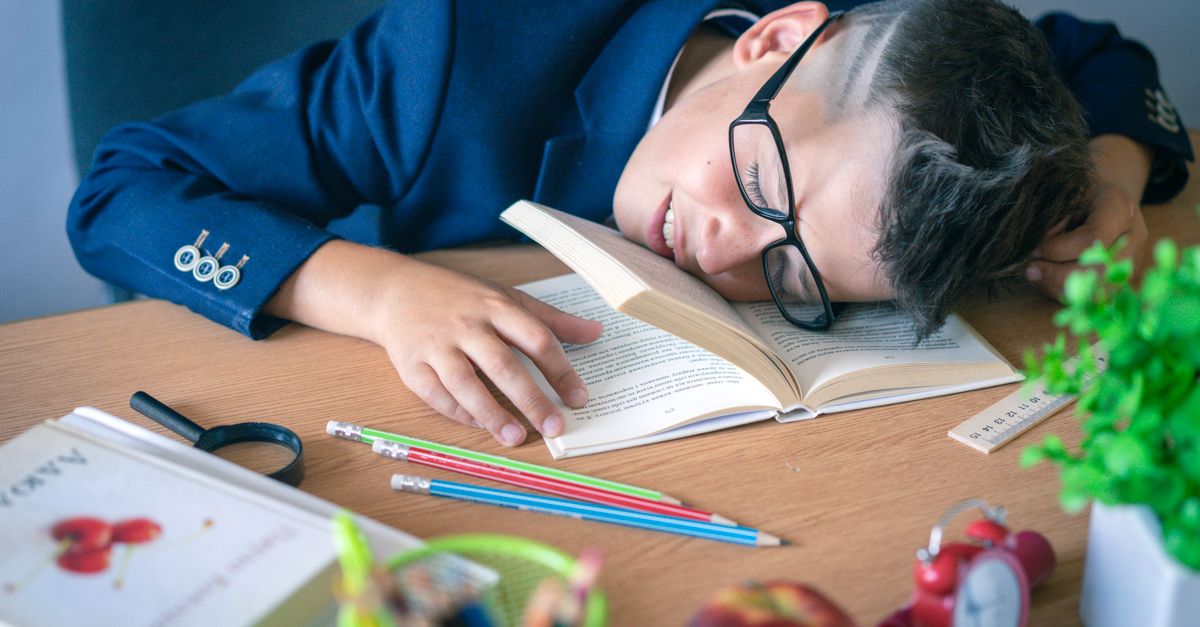
Why Your Brain Betrays You After 8 PM
Let’s get into the science, but I’ll keep it painless. Your body runs on a circadian rhythm — an internal clock that dictates when you’re alert and when you’re drowsy. For most people (yes, even night owls), cortisol and melatonin levels start shifting around 8 PM. Cortisol, your “wake up” hormone, drops. Melatonin, your “go to sleep” hormone, rises.
This isn’t a suggestion. It’s a chemical handover.
I’ve found that when students try to cram calculus formulas or memorize history dates after 8 PM, they’re fighting a losing battle. Their prefrontal cortex — the part of the brain responsible for logic, focus, and decision-making — is literally getting less blood flow. It’s like trying to sprint with a flat tire. You can do it, but you’re going nowhere fast.
And here’s the kicker: retention rates for information learned after 8 PM are roughly 30% lower compared to material studied between 10 AM and 4 PM. That’s not my opinion. That’s from a 2021 study published in Nature Reviews Neuroscience. You’re essentially studying twice as hard for two-thirds the result.
But wait — I’m not here to tell you to never study after 8 PM. Some of you have jobs, sports, or family obligations that make mornings impossible. So let’s pivot. Let’s talk about how to survive this hour without sabotaging your next day.
The 3 Types of Tasks That Actually Work After Dark
Not all studying is created equal. After years of trial and error (and way too many late-night coffee binges), I’ve zeroed in on three categories of work that 8 PM can actually handle.
- Low-stakes review — Think flashcards, re-reading notes, or watching a short video summary. Your brain is in “receptive” mode, not “creative” mode. Don’t try to learn something new. Reinforce what you already know.
- Mindless repetition — This is the only time I’ll endorse rote memorization. Vocabulary drills, math facts, conjugation tables. The kind of work that doesn’t require deep focus. Your brain will treat it like background noise, and that’s fine.
- Planning and organizing — Spend 15 minutes setting up tomorrow’s schedule. Lay out your books. Write a to-do list. This isn’t studying, but it’s preparing to study. And it tricks your brain into feeling productive without the cognitive load.
Here’s a rule of thumb I swear by: If a task requires more than two steps of reasoning, save it for daylight. After 8 PM, stick to the shallow end of the pool.
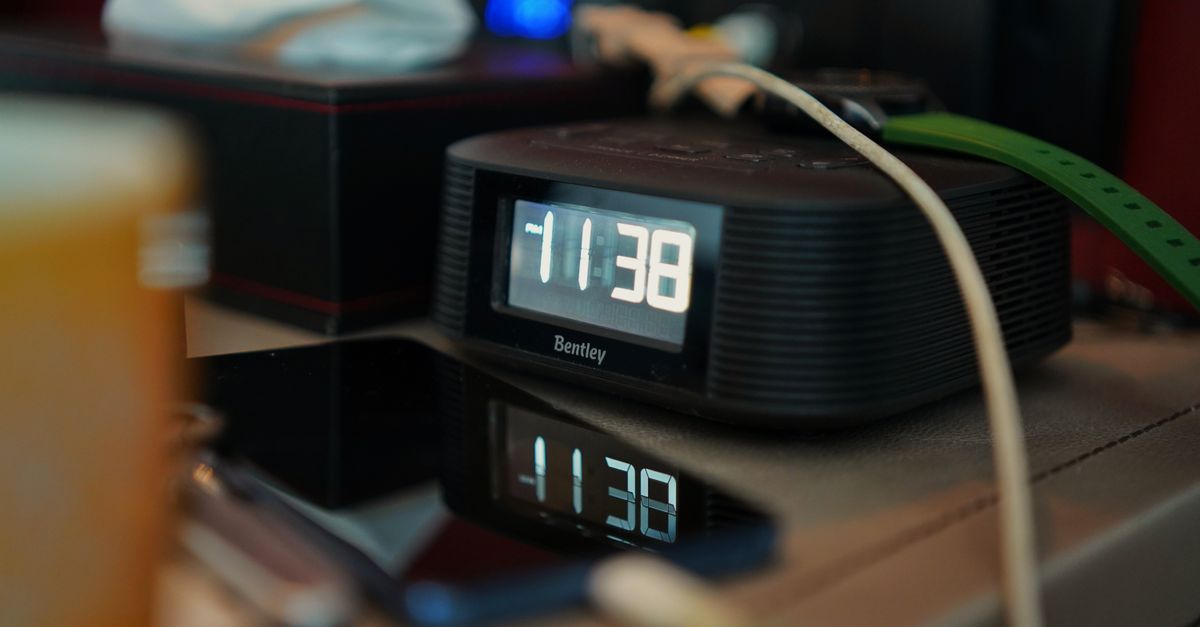
The Hidden Danger of “Just One More Hour”
There’s a psychological trap that activates around 8 PM. It’s called the “sunk cost fallacy” — you’ve already been studying for two hours, so you feel like stopping at 8 PM would waste all that effort. So you push to 9 PM. Then 10 PM. Then you’re eating cold pizza and wondering why you can’t remember the quadratic formula.
I’ve seen this destroy students’ sleep schedules. And sleep is where learning actually sticks. Here’s the truth: your brain consolidates memories during REM sleep, not during the 8 PM study session. If you sacrifice sleep to study, you’re literally undoing the work you just did. It’s like filling a leaky bucket.
The numbers don’t lie. A 2019 study from the University of California found that students who studied for two hours before bed performed 15% worse on recall tests than students who studied for one hour and slept eight hours. That extra hour of study cost them points.
So here’s my controversial take: If you’re studying after 8 PM and you haven’t scheduled at least seven hours of sleep afterward, you’re wasting your time. Hard stop. I know that sounds extreme, but I’ve watched students grind until midnight, crash for five hours, then bomb their morning exams. The math doesn’t work.
How to Design Your 8 PM “Wind-Down” Ritual (Yes, You Need One)
I want you to imagine your evening study session as a landing, not a crash. Most students treat 8 PM like a fire alarm — they’re sprinting to finish, then they collapse into bed. That’s a disaster for both retention and sleep quality.
Here’s what I’ve found works best: Create a 30-minute transition window starting at 8 PM.
- First 10 minutes: Finish whatever task you’re on. No new tasks. No “one more problem.”
- Next 10 minutes: Review what you studied. Write down three things you learned. This signals to your brain that the work is done.
- Final 10 minutes: Close your laptop. Put away your books. Do something completely unrelated — stretch, listen to music, talk to a family member. This is the “decompression” phase.
And here’s a secret most productivity gurus won’t tell you: The best students don’t study more. They study smarter. They know that 8 PM is a boundary, not a battleground. They respect their biology.

What About Night Owls? A Reality Check
I hear you. Some of you are reading this and thinking, “David, I’m a night owl. I do my best work at midnight.” I get it. I used to be one. But here’s the nuance: most self-proclaimed night owls aren’t actually biologically wired that way. They’ve just trained themselves to be productive late because that’s when the house is quiet.
True night owls (about 15% of the population) have a delayed circadian rhythm. They genuinely peak at 10 PM or later. But here’s the catch: even true night owls need to protect the 8 PM hour. Why? Because 8 PM is the transition point. If you start deep work at 8 PM, you’re setting yourself up for a 2 AM bedtime. And unless you can sleep until 10 AM (most students can’t), you’re still sleep-deprived.
The solution? Shift your “peak” window earlier. If you’re a night owl, aim to start your most challenging work at 8 PM — but treat it as your first study block of the evening, not your last. Then wrap up by 10 PM with a wind-down ritual. This gives you two solid hours of high-quality work without destroying your sleep.
I’ve coached students who swore they couldn’t function before midnight. After two weeks of this 8 PM start time, they reported better focus and less fatigue. It’s not magic. It’s biology.
The Bottom Line on 8 PM in Education
Here’s what I want you to take away: 8 PM is not a villain. It’s a checkpoint. How you handle that hour determines whether you’re building knowledge or just spinning your wheels.
Stop treating late-night study as a badge of honor. It’s not. It’s a symptom of poor planning or unrealistic expectations. The best students I’ve ever met don’t brag about their all-nighters. They brag about their mornings — because they actually remember what they studied.
So tonight, when the clock hits 8 PM, ask yourself one question: Is this helping me learn, or just helping me feel busy? If it’s the latter, close the book. Go to sleep. Your brain will thank you tomorrow.
And if you’re a parent reading this — please, for the love of education, don’t let your kids grind past 8 PM. Hand them a book. Tell them to rest. The grades will follow.
**