Let me tell you something. I used to think I knew how to eat well. I was the guy who’d load up on “healthy” granola, sip on “antioxidant-rich” green juice, and pat myself on the back for choosing the quinoa bowl over the burger. Then I hit a wall. My energy crashed by 2 PM, my digestion felt like a rock concert gone wrong, and my skin looked like I’d wrestled a deep fryer. That’s when I discovered the shocking truth about what’s really on our plates.
Here’s what most people miss: the food industry has been lying to us for decades. Not with big, obvious lies—but with subtle, legal tricks that make processed junk look like health food. And the worst part? We’ve been buying it hook, line, and sinker. I spent three months digging into food labels, talking to nutritionists, and testing everything on myself. What I found changed how I shop, cook, and think about every single meal. Buckle up—this is the real inside story.

The 3 Sneaky Lies Hiding in Your “Healthy” Groceries
Let’s cut through the noise. You walk into a grocery store, and the packaging screams at you: “Natural!” “Low-Fat!” “No Added Sugar!” But here’s the kicker—most of those claims are legally meaningless. The FDA allows food companies to slap “natural” on anything that doesn’t contain artificial colors or preservatives. That includes high-fructose corn syrup, which is about as natural as a plastic flamingo.
I’ve found that the biggest offenders are the ones you least suspect. Take “low-fat” yogurt. They strip out the fat (which makes food taste like cardboard), then dump in sugar to make it palatable again. The result? A product that’s worse for your blood sugar than a candy bar. And “whole grain” bread? Unless the first ingredient says “100% whole wheat” and the fiber content is at least 3 grams per slice, you’re eating glorified white bread with a tan.
Here’s the truth: if you see a health claim on the front of a package, be suspicious. Real food doesn’t need a marketing team. Broccoli doesn’t have a sticker saying “Now with 50% more sulforaphane!” It just sits there, being awesome, waiting for you to eat it. The trick is to flip the package over and read the ingredients list. If it has more than 5 ingredients, or if you can’t pronounce half of them, put it back.
Why Your Grandmother’s Kitchen Was Smarter Than Your Fridge
Let’s be honest: our grandparents didn’t have chia seeds, kale chips, or acai bowls. They had butter, eggs, and leftover stew. And they were healthier than we are. How? Because they ate whole, minimally processed food that their bodies recognized. I’m not saying you need to churn your own butter (though that would be impressive), but there’s a reason why traditional diets from around the world—Mediterranean, Japanese, Nordic—all share one thing in common: they avoid factory-made garbage.
I’ve spent time in kitchens where the most processed thing was a jar of pickles. Those people didn’t worry about macros or glycemic indexes. They cooked with what was available, used every part of the animal, and fermented things to preserve them. The result? Better digestion, stable energy, and a relationship with food that didn’t involve anxiety.
Here’s what I’ve started doing: I ask myself “Would my grandma recognize this as food?” If the answer is no—like with that “protein-fortified” candy bar or the “vegan” cheese that’s 20 ingredients long—I put it back. It’s a simple filter, but it’s saved me from eating a lot of edible food-like substances. The irony is that the “boring” stuff—potatoes, cabbage, oats—is often the most nutrient-dense and affordable. Your fridge doesn’t need to be a chemistry lab.

The 7-Second Rule That Changed My Shopping Forever
I used to spend 45 minutes wandering the grocery store, throwing random things into my cart, and hoping for the best. Then I learned a trick from a dietitian that saved me time, money, and my waistline. It’s called the perimeter rule: stick to the outer edges of the store. That’s where the fresh produce, meat, dairy, and eggs live. The middle aisles? That’s where the processed stuff lurks—cookies, chips, sugary cereals, and “health” bars that are basically candy in disguise.
But let me add a twist: the 7-second ingredient check. When you pick up any packaged item, flip it over and scan the ingredients list. If it takes longer than 7 seconds to read, or if you see something you don’t recognize, put it down. This rule has saved me from buying “organic” crackers that were 90% refined flour and sugar. Real food has short ingredient lists. Heavy cream: one ingredient. Tomatoes: one ingredient. Chicken: one ingredient.
I’ve also found that the healthiest foods don’t have barcodes. Fresh produce, bulk grains, and spices from the bulk bin—those don’t need a barcode because they’re not manufactured. They’re grown. That’s the distinction that matters. When you eat something that grew out of the ground or came from an animal, your body knows exactly what to do with it. When you eat something that came out of a factory, your body treats it like a foreign invader.
The Shocking Truth About “Healthy” Oils and Fats
Let’s talk about the elephant in the kitchen: cooking oils. We’ve been told for decades to avoid butter and lard and use vegetable oils instead. But here’s the thing—vegetable oils are some of the most processed substances in your kitchen. To make canola oil, you need to heat it, treat it with hexane (a chemical solvent), bleach it, and deodorize it. That’s not food. That’s industrial lubricant with a label.
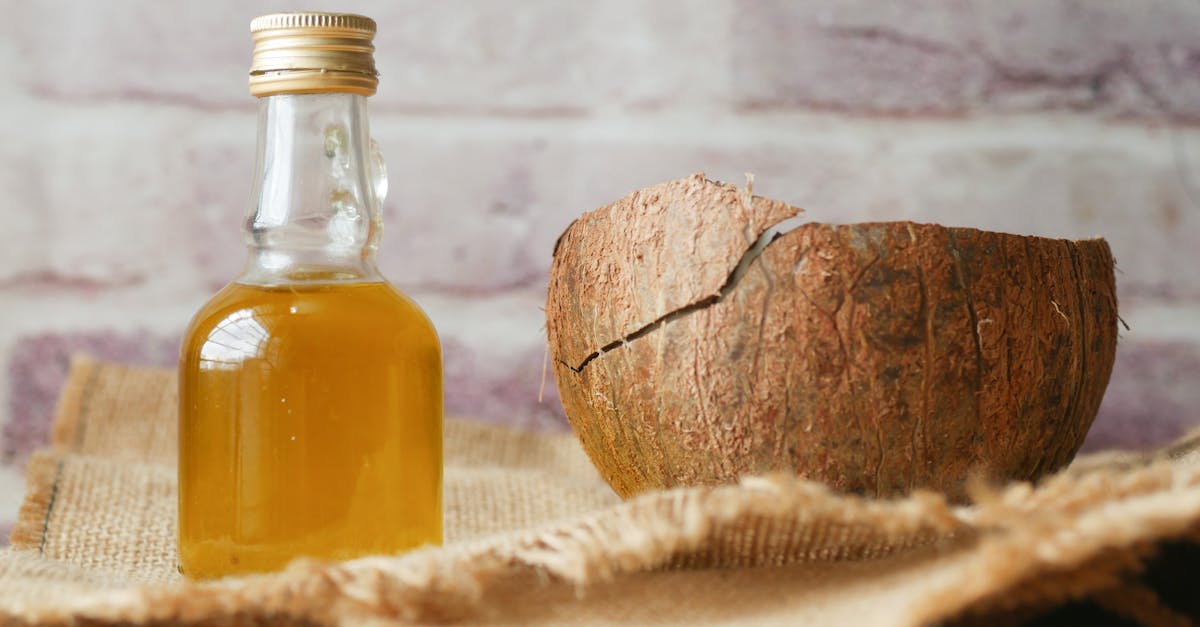
I’ve switched to using coconut oil, ghee, and good old-fashioned butter for cooking. Yes, they’re saturated fats. No, they don’t cause heart disease—that was a myth based on bad science. The real villains are polyunsaturated fats (like soybean and corn oil) that oxidize when heated and create inflammation in your body. Your grandmother wasn’t wrong when she saved bacon grease in a jar. That fat is stable, flavorful, and way better for you than any “heart-healthy” margarine.
Here’s a simple rule: don’t eat oils that require a chemistry degree to produce. Extra virgin olive oil? Great for salads and low-heat cooking. Avocado oil? Excellent for high-heat searing. Coconut oil? Perfect for baking and sautéing. But that bottle of “vegetable oil blend” in your pantry? Pour it down the drain and never look back. Your cells will thank you.
How I Broke Free from the “Healthy” Junk Food Trap
Let me share something personal. For years, I was addicted to “healthy” snacks. Protein bars, kale chips, almond flour crackers—the whole nine yards. I thought I was being virtuous. But I was eating expensive, processed junk that was no better than a bag of Doritos. The protein bars were full of sugar alcohols that gave me bloating. The kale chips were fried in cheap oil. The almond flour crackers had more calories than the real thing.
Here’s what I did: I quit pretending that processed food could be healthy. I stopped looking for shortcuts. If I wanted a snack, I ate an apple with peanut butter (just peanuts and salt). If I wanted something crunchy, I had raw carrots or celery with hummus. If I wanted dessert, I had a square of dark chocolate with sea salt. The cravings didn’t magically disappear—but they changed. Once you stop eating hyper-palatable processed foods, your taste buds reset. Suddenly, an orange tastes like candy. A roasted sweet potato tastes like dessert.
I’ve found that the first week is the hardest. Your body is used to the chemical signals from processed foods—the sugar, the salt, the artificial flavors. It’s like quitting any addiction. But after 7-10 days, something shifts. You start tasting real flavors. You realize that a properly cooked steak with butter and herbs is more satisfying than any frozen dinner. You understand why people spend time cooking: because real food is worth the effort.
The One Meal That Fixed Everything
I’m going to give you something specific. One meal that changed my relationship with food. It’s not a diet—it’s a template. I call it “The Sagar Special” (humble, I know). Here’s how it works:
- Protein: A palm-sized piece of meat, fish, or eggs. Cooked in butter or ghee.
- Vegetables: A big handful of leafy greens or roasted veggies. Dressed with olive oil and lemon.
- Starch: A fist-sized portion of potatoes, sweet potatoes, or rice. Cooked simply.
- Fat: A generous pat of butter or a drizzle of olive oil over the whole thing.
The beauty of this meal is that you can vary it endlessly. Swap chicken for salmon. Swap spinach for broccoli. Swap sweet potatoes for quinoa. The template stays the same. I’ve had this meal in fancy restaurants and my own kitchen, and it never disappoints. It’s proof that you don’t need to be a chef to eat well—you just need to understand the basics.
The Final Truth: You Already Know What to Do
Here’s the thing nobody wants to admit: you already know what healthy food looks like. You know that an apple is better than apple juice. You know that a baked potato is better than French fries. You know that grilled chicken is better than chicken nuggets. The problem isn’t knowledge—it’s marketing, convenience, and habit. The food industry has spent billions to make you forget what real food tastes like.
I’m not here to sell you a meal plan or a detox tea. I’m here to tell you that the answer is simpler than you think: eat food that rots. If it can sit on a shelf for six months without changing, it’s not food. If your great-grandmother wouldn’t recognize it, it’s not food. If you feel guilty after eating it, it’s not food.
Start small. Replace one processed meal today with something you cook from scratch. Buy a head of cabbage and learn to sauté it with garlic and butter. Roast a chicken on Sunday and eat the leftovers all week. Trust your taste buds—not the labels. Your body is smarter than any marketing campaign. It’s time to start listening to it.
Now go eat something real. Your cells are waiting.