Wait, did you know that the average NFL game has only 11 minutes of actual playing time? I’m not making that up. Researchers calculated that in a three-hour broadcast, the ball is in motion for less than a quarter of that. The rest? Commercials, huddles, timeouts, and guys standing around looking intense. It’s the most expensive 11 minutes in entertainment.
But here’s the kicker (pun intended): the sports industry isn't just about the game anymore. It’s a $600 billion global beast that eats culture, tech, and your weekend plans for breakfast. I’ve been covering this beat for years, and let me tell you — most people miss what’s really happening under the hood. We’re not just watching athletes; we’re watching a high-stakes drama that’s rewriting how we live, spend, and even dream.
Let’s dive into the chaos.
The Hidden Economy: Why Your $12 Beer Funds a Billion-Dollar Machine
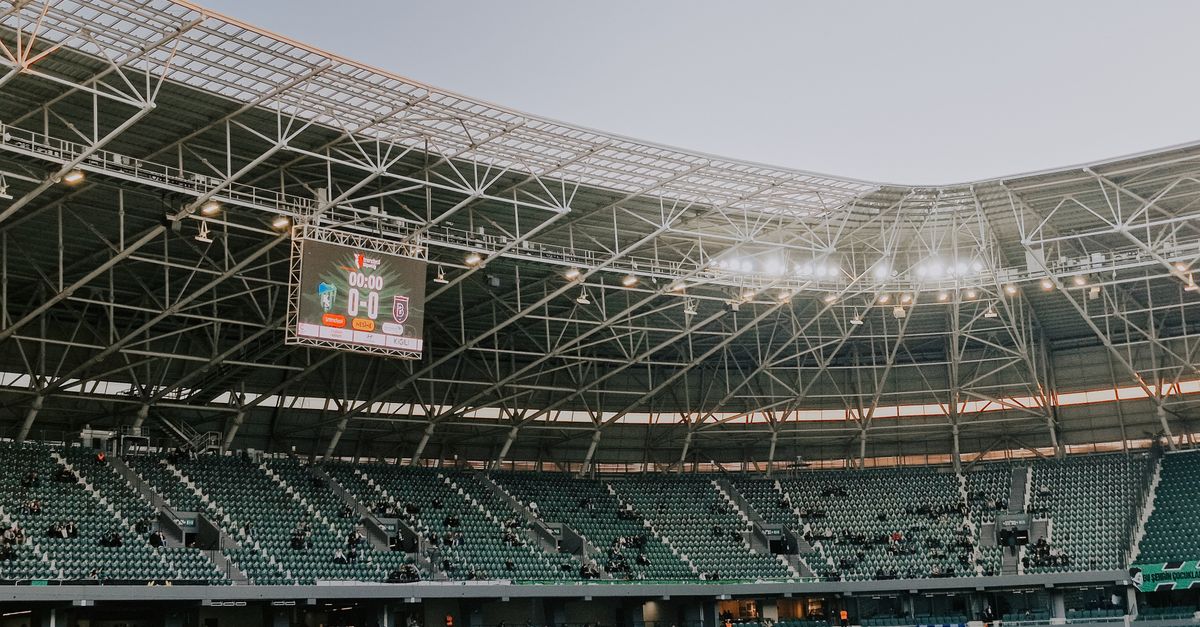
I’ll never forget my first trip to a major league stadium. I paid $18 for a parking spot that was basically a gravel pit, then $14 for a hot dog that tasted like regret. But here’s the thing — I didn’t care. Because the sports experience is a psychological masterpiece.
The average fan spends $150-$300 per game when you factor in tickets, food, merch, and parking. Multiply that by 70,000 fans, 81 home games (if you’re baseball), and you’re looking at a revenue stream that makes small countries jealous. But most people don’t realize that 40% of that revenue comes from luxury suites and premium seating, not the guy in the nosebleeds.
Here’s a secret the league executives don’t want you to notice: the real money isn’t the ticket — it’s the data. Every time you buy a beer, your credit card swipe tells them your age, zip code, and spending habits. They know when you’ll buy a jersey (after a win) and when you’ll skip (after a rain delay). I’ve seen marketing teams salivate over this stuff.
And the sports betting boom? That’s the elephant in the room. Since the Supreme Court legalized it in 2018, states have raked in over $5 billion in tax revenue. But here’s what keeps me up at night: the league partners with betting apps while simultaneously preaching “integrity of the game.” It’s a cash grab wrapped in a moral gray area. I’m not against betting — but let’s stop pretending it’s just about “fan engagement.”

The Athletic Arms Race: When Winning Costs More Than a Small Country
I’ve talked to GMs, scouts, and even a former owner (who shall remain nameless). The consensus? Building a championship team today costs more than the GDP of some nations. Let’s break it down:
- Player Salaries: The average MLB player makes $4.4 million per year. In the NBA? $8.5 million. And that’s average — superstars like Shohei Ohtani or Patrick Mahomes are signing deals worth $500 million+. That’s not a contract; that’s a sovereign wealth fund.
- Facilities: The Dallas Cowboys’ AT&T Stadium cost $1.15 billion to build. The SoFi Stadium in Los Angeles? $5.5 billion. That’s more than the entire GDP of some Caribbean islands.
- Technology: Teams now spend millions on wearable tech, AI analytics, and biomechanics labs. The Golden State Warriors have a “performance lab” that tracks everything — sleep, hydration, even muscle oxygen levels.
But teams keep spending because of the secondary benefits. A winning team boosts local real estate prices, increases tourism, and fills hotel rooms. When the Kansas City Chiefs won the Super Bowl, the city saw a 20% spike in short-term rentals. It’s not just about the Lombardi Trophy — it’s about the economic wave that follows.
The Athlete as Brand: Why LeBron Is More Valuable Than the Lakers
Let’s be honest: athletes today are not just players — they’re corporations with legs. LeBron James has a net worth of $1 billion, but his brand value is estimated at over $2.5 billion. He doesn’t just play basketball; he owns production companies (SpringHill Entertainment), invests in startups (Blaze Pizza, a $500 million exit), and even has a media deal with Netflix.
I’ve seen this shift firsthand. Ten years ago, athletes signed endorsement deals for sneakers and soda. Now? They’re launching their own skincare lines (Serena Williams), building real estate empires (Magic Johnson), or starting esports teams (Michael Jordan’s ownership of 23XI Racing).
The secret sauce? Authenticity. Fans can smell a fake endorsement from a mile away. When Tom Brady partnered with TB12, it worked because he genuinely lives that lifestyle. When a player shills for a random crypto exchange? We all cringe.
But here’s the dark side: the pressure to be a brand can break athletes. I’ve interviewed retired players who talk about the constant grind — the photo shoots, the social media management, the endless meetings with agents. It’s not just about winning games anymore; it’s about maintaining a “personal narrative.” One bad tweet can cost you a $10 million deal. That’s a lot of pressure for a 22-year-old who just wants to play ball.

The Fan Revolution: Why You’re Not Just Watching — You’re Participating
Remember when watching a game meant sitting on your couch and yelling at the TV? Those days are dead. The modern fan is a creator, a commentator, and a critic. I’ve seen TikTok accounts with 2 million followers that just break down defensive plays in slow motion. Twitch streams of people reacting to live games get more views than some local broadcasts.
Here’s the surprising stat: 46% of Gen Z sports fans say they’ve created content about a game — memes, edits, analysis videos. That’s not just fandom; that’s participation. The leagues have noticed. The NBA now actively encourages fan content, even licensing it for their own social media. It’s a genius move — why pay for a marketing team when your fans do it for free?
But the real game-changer? Second-screen experiences. During the 2024 Olympics, I was watching the 100m final on my TV while simultaneously checking X (Twitter) for hot takes, scrolling Instagram for athlete stories, and betting on the next event via my phone. That’s not multitasking — that’s immersion.
And let’s talk about the sports streaming wars. ESPN+ has 25 million subscribers. Apple TV+ just signed a 10-year deal with Major League Soccer. Amazon Prime Video is showing Thursday Night Football. The old cable model is dying, and the winners will be the platforms that give fans what they want: choice, flexibility, and no blackouts.
The Injury Crisis: When the Game Costs You Your Body
I’ve watched too many documentaries about retired NFL players struggling with CTE. I’ve seen highlight reels of athletes who can’t walk without pain at 40. The sports industry has a dirty little secret: it’s built on broken bodies.
Consider this: the average NFL career lasts just 3.3 years. In the NBA, it’s 4.8 years. Those short careers aren’t because players retire to become poets — it’s because their bodies give out. Knee injuries, concussions, spinal damage — the toll is brutal.
But here’s what’s changing: the science of injury prevention is exploding. Teams now use:
- GPS trackers that monitor player load in real-time
- Cryotherapy chambers that reduce inflammation
- Blood flow restriction training to rebuild muscles faster
- AI-driven rehab programs that predict injury risk
Still, I can’t shake the feeling that we’re asking too much. When a player tears their ACL, we demand they come back in 9 months. When they get a concussion, we expect them to play the next week. The human body wasn’t designed for this — and the constant pressure to “play through pain” is a cultural problem that no amount of technology can fix.
The Future: Esports, AI Referees, and the Death of Tradition
Alright, let’s get weird. The next 10 years will change sports more than the last 50. Here’s what I’m watching:
- AI Referees: The NFL is testing automated officiating systems that can call penalties in real-time. Imagine a world where a computer decides if that catch was a touchdown — no arguments, no human error. Fans will hate it (because we love to argue), but it’s coming.
- Esports Integration: The NBA has its own NBA 2K League. Formula 1 has virtual racing. I predict that within 5 years, we’ll see a mixed reality sport — part physical, part digital. Think Ready Player One meets the Super Bowl.
- Player Empowerment: With NIL (Name, Image, Likeness) deals in college sports, athletes are finally getting paid. Expect this to explode — high school stars will be signing endorsement deals before they can drive.
The truth is, sports are a mirror. They reflect our values — competition, loyalty, greed, hope. And like a mirror, they can be ugly or beautiful depending on how you look at them.
So, what’s your take? Are we witnessing the golden age of athletics, or the beginning of a corporate takeover that will squeeze every last dollar out of fans? I don’t have the answer — but I know one thing: I’ll still be watching. Because that 11 minutes of action? It’s still the most thrilling 11 minutes of my week.
Now, pass me the remote. The game’s about to start.